
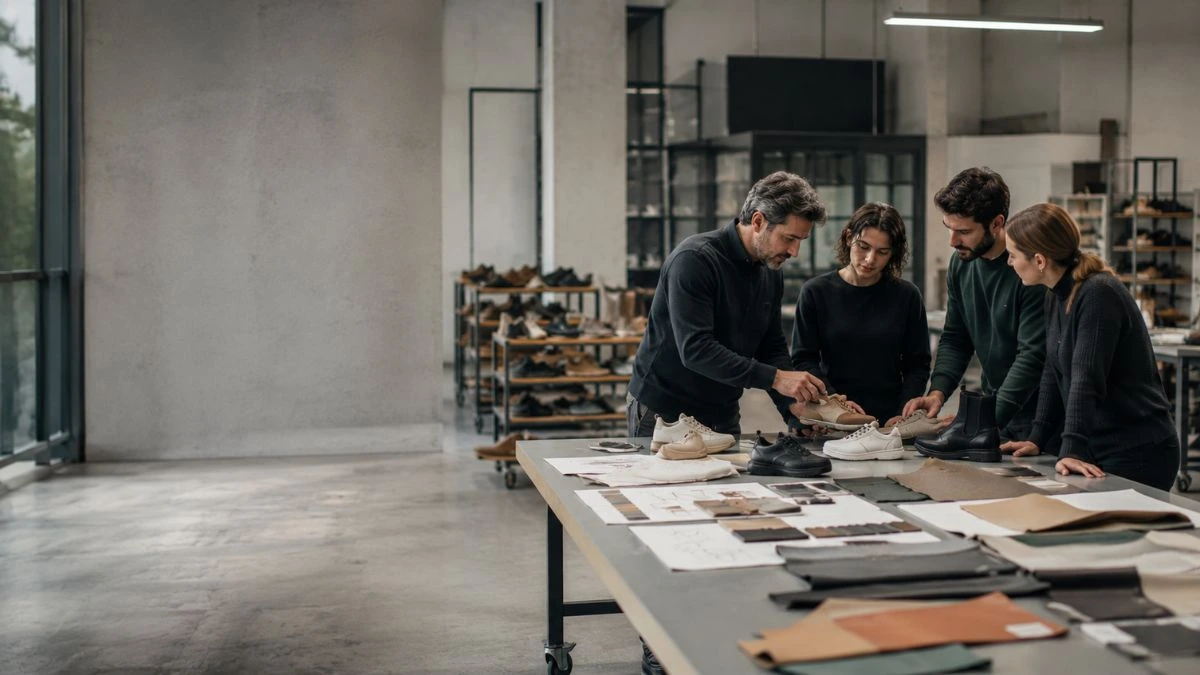
Launching a successful footwear collection involves far more than creating attractive designs. One of the most underestimated aspects of footwear production lead times and footwear manufacturing is understanding how timelines impact development, sourcing, manufacturing and delivery.
For many brands, unrealistic expectations around timelines lead to delayed launches, rushed decisions, higher costs and avoidable production problems. In contrast, brands that understand how footwear production timelines work are often better prepared to organise collections, coordinate suppliers and achieve more consistent results.
In Europe, footwear production lead times can vary significantly depending on product complexity, materials, seasonality, production capacity and communication efficiency between the brand and manufacturer.
This article explains the main stages of footwear production lead times, what factors influence timelines and how brands can improve planning before starting production.
Quick take for brands
Footwear production lead times in Europe usually depend on how well a brand prepares before development starts. Materials, sample approvals, factory capacity, product complexity and communication speed all influence the final timeline.
For most footwear projects, brands should plan several months ahead, especially when launching seasonal collections or working with custom materials.
The more clearly a brand defines its product requirements, target quantities, construction methods and approval process, the easier it becomes for a manufacturer to manage realistic production timelines and reduce avoidable delays.
Table of contents
- Why footwear production lead times matter
- The main stages of footwear production
- Typical footwear production timelines in Europe
- Factors that affect footwear lead times
- Common reasons for production delays
- How brands can prepare more efficiently
- Why many brands choose European footwear manufacturers
- How collection planning impacts production timing
- Final thoughts
- FAQs
Why footwear production lead times matter
Footwear production is a multi-stage process involving development, sourcing, sampling, approvals, manufacturing, quality control and logistics. Each stage depends on coordination between multiple teams and suppliers.
When brands underestimate lead times, the consequences can affect the entire collection launch. Delays often create pressure during production, increase operational costs and reduce flexibility for quality control or product adjustments.
Understanding production lead times helps brands:
- Plan seasonal launches more efficiently
- Reduce production risks
- Improve supplier coordination
- Organise sourcing more effectively
- Avoid rushed approvals
- Improve communication with manufacturing partners
- Prepare logistics and distribution more accurately
Lead times are not only operational details. They directly influence commercial performance, inventory planning and overall brand reliability.
Brands working with experienced manufacturing partners in Europe often benefit from more transparent communication, closer collaboration and greater production flexibility throughout the development process.
For brands preparing a new collection, proper production planning should start long before manufacturing begins.
Before contacting a manufacturer, brands should organise technical information, references, target quantities and development expectations with a clear footwear production briefing checklist to reduce misunderstandings before production starts.
The main stages of footwear production
To understand lead times properly, brands first need to understand the different stages involved in footwear production.
1. Product development and briefing
The process usually starts with concept development, moodboards, technical references and production briefing preparation.
At this stage, brands define:
- Product categories
- Construction methods
- Target pricing
- Materials
- Sizing requirements
- Commercial positioning
- Expected quantities
Clear documentation at this stage helps reduce misunderstandings later in production.
2. Material sourcing
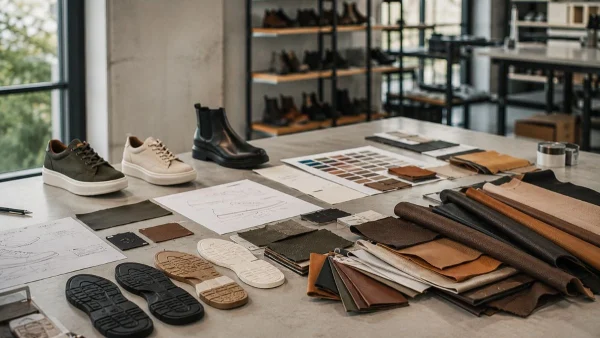
Material sourcing can significantly impact lead times, especially when specific components require international suppliers or customised developments.
Lead times may vary depending on:
- Leather availability
- Outsole production
- Custom hardware
- Colour developments
- Minimum order quantities
- Seasonal material demand
Brands should also understand how material choices affect production complexity, sourcing timelines and long-term product performance, especially when selecting materials for premium or technical collections, as explored in our guide to footwear material selection.
3. Sample development
Once materials and specifications are confirmed, sample development begins.
This phase may include:
- Prototype samples
- Fitting samples
- Salesman samples
- Pre-production samples
Several revisions are often necessary before final approval.
The speed of this phase depends heavily on communication efficiency and decision-making speed from the brand side.
4. Production planning
After sample approval, factories organise production schedules according to capacity, supplier timelines and delivery priorities.
Production planning includes:
- Raw material ordering
- Production sequencing
- Line allocation
- Quality control preparation
- Logistics coordination
5. Manufacturing and quality control
The production phase itself includes cutting, stitching, assembly, finishing and packaging.
Quality control is essential throughout the process to maintain consistency and reduce production issues.
Maintaining consistent quality throughout manufacturing is essential to reduce production issues, avoid costly revisions and improve final product consistency, which is why many brands implement structured footwear quality control checklists before mass production starts.
6. Logistics and delivery
Even after production is completed, logistics still require additional time for:
- Packaging preparation
- Export documentation
- Transport scheduling
- Customs procedures
- Warehouse coordination
Brands often underestimate this final stage when planning launch calendars.
Typical footwear production timelines in Europe
Although timelines vary depending on the project, a typical footwear production timeline in Europe may look like this:
- Development and briefing: 1 to 3 weeks
- Material sourcing: 2 to 6 weeks
- Sample development and revisions: 3 to 8 weeks
- Production planning: 1 to 2 weeks
- Manufacturing: 4 to 10 weeks
- Quality control and logistics: 1 to 3 weeks
In total, brands should often expect a complete timeline between 3 and 6 months depending on complexity and production scale.
Projects involving custom developments, innovative materials or multiple sample revisions may require longer timelines.
Brands launching seasonal collections should therefore start planning significantly earlier than many first-time companies initially expect.
Factors that affect footwear lead times
Several variables influence footwear production lead times.
Product complexity
Technical footwear, boots or highly detailed constructions generally require longer development and production times than simpler models.
Material availability
Custom materials or imported components may increase sourcing timelines considerably.
MOQ requirements
Minimum order quantities can also influence production scheduling and sourcing decisions.
Understanding how footwear MOQ requirements affect sourcing, supplier coordination and production planning can help brands avoid unnecessary delays, reduce material constraints and organise manufacturing timelines more efficiently.
Seasonality
Factories often experience peak demand before major seasonal production periods.
Brands that delay approvals may lose preferred production slots.
Communication efficiency
Delayed feedback, unclear instructions or repeated changes can significantly extend timelines.
Production capacity
Factory workload and production scheduling directly influence lead times.
Experienced manufacturers usually manage timelines more efficiently due to stronger supplier networks and established workflows.
Common reasons for production delays
Many footwear production delays are avoidable.
Some of the most common causes include:
- Incomplete technical documentation
- Late material approvals
- Constant design changes
- Unrealistic launch expectations
- Poor communication between teams
- Supplier delays
- Incorrect sizing approvals
- Late purchase order confirmation
One of the biggest mistakes brands make is starting production discussions before defining their collection properly.
Brands that prepare detailed technical information earlier in the process often reduce delays and improve manufacturing efficiency considerably.
How brands can prepare more efficiently
Efficient preparation is one of the best ways to improve production timelines.
Define realistic launch calendars
Brands should build additional time buffers into their collection planning instead of assuming best-case scenarios.
Organise technical documentation
Clear documentation improves communication and reduces production misunderstandings.
Approve materials earlier
Material sourcing delays are one of the main causes of extended timelines.
Limit unnecessary revisions
Too many design changes during development can affect both lead times and costs.
Work with experienced manufacturing partners
Experienced footwear manufacturers can help identify production risks earlier, improve communication throughout development and provide more realistic timeline expectations based on sourcing complexity, factory capacity and collection requirements.
At LG Shoes, we support brands throughout multiple stages of product development and manufacturing, from material selection to different footwear construction methods and production coordination.

Why many brands choose European footwear manufacturers
European footwear manufacturing continues to attract brands looking for quality, communication efficiency and greater production transparency.
Portugal has become one of the leading footwear manufacturing countries in Europe due to its combination of technical expertise, flexibility and strong production tradition.
Compared with longer-distance sourcing models, European production often offers:
- Shorter communication cycles
- Closer collaboration
- Better quality supervision
- Faster logistics within Europe
- Greater flexibility during development
- More transparent production processes
For premium and mid-range brands, proximity can also improve collection management and reduce operational uncertainty.
The global footwear industry continues evolving rapidly, and organisations such as World Footwear regularly highlight how supply chain flexibility and manufacturing responsiveness are becoming increasingly important for brands.
How collection planning impacts production timing
Collection planning decisions directly affect production lead times.
Brands with too many models, excessive colour variations or unrealistic launch calendars often create unnecessary operational complexity.
Simplifying collection structures can improve:
- Material coordination
- Production scheduling
- Sample approval speed
- Inventory management
- Commercial consistency
Many successful brands focus on developing fewer but stronger products instead of expanding collections excessively.
Strategic planning helps brands balance creativity, manufacturing feasibility and commercial objectives more effectively.
Final thoughts
Footwear production lead times are not simply manufacturing details. They are strategic factors that directly influence product quality, launch timing, operational efficiency and commercial success.
Brands that understand how production timelines work are often better prepared to organise collections, coordinate suppliers and reduce avoidable delays.
Successful footwear development depends on preparation, communication and realistic expectations throughout the entire process.
Whether developing a new collection or scaling an existing one, working with experienced manufacturing partners can help brands improve planning, reduce production risks and create more efficient workflows.
If you are preparing a footwear project and would like to discuss production possibilities in Europe, feel free to contact our team.
FAQs
How long does footwear production usually take in Europe?
Most footwear production projects in Europe take between 3 and 6 months depending on product complexity, material sourcing, sample approvals and production scale.
What factors affect footwear production lead times the most?
The main factors include material availability, sample revisions, communication efficiency, factory capacity, product complexity and seasonal demand.
Why do footwear production delays happen?
Common causes include incomplete documentation, late approvals, supplier delays, design changes and unrealistic production expectations.
How can brands reduce footwear production delays?
Brands can improve timelines by preparing technical documentation earlier, approving materials faster, reducing unnecessary revisions and working with experienced manufacturing partners.
Why do brands choose footwear manufacturers in Portugal?
Portugal is recognised for footwear manufacturing quality, technical expertise, flexibility, strong communication and proximity to European markets.
When should brands start planning seasonal footwear collections?
Brands should ideally start planning collections several months before launch to allow enough time for development, sourcing, sampling, production and logistics.


 English

