
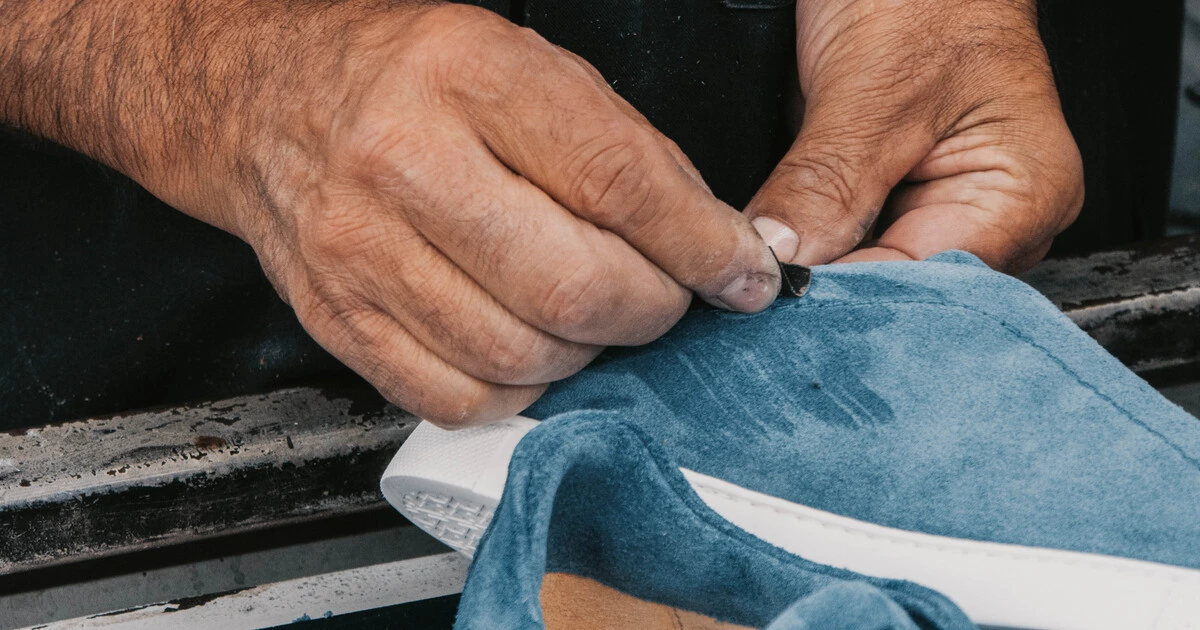
The Portuguese footwear industry has evolved from a strong tradition of craftsmanship into a modern, export-driven manufacturing sector recognized worldwide.
By combining footwear craftsmanship, technological innovation, and ethical European production standards, Portugal has become a global footwear hub for international brands.
Today, the Portuguese footwear industry supports private label shoes Portugal, flexible production models, and long-term partnerships for brands seeking quality, reliability, and innovation.
Introduction: from craftsmanship to global footwear manufacturing
Portuguese footwear industry is the result of a long evolution that connects deep-rooted craftsmanship with modern industrial innovation. Over the past decades, Portugal has transformed its footwear sector from a tradition-based industry into a globally competitive manufacturing hub serving international brands.
What distinguishes the Portuguese footwear industry is not only its technical know-how, but also its ability to adapt. By combining traditional shoe making skills with advanced production technologies, flexible manufacturing models, and strong ethical standards, Portugal has positioned itself as a trusted partner for European and international footwear brands.
Today, footwear manufacturing in Portugal supports a wide range of market needs, from premium collections to private label shoes Portugal, offering small to medium production runs, technical development expertise, and close collaboration throughout the product lifecycle. This balance between craftsmanship and innovation has made Portugal a reference point in European footwear manufacturing.
In this context, companies like LG Shoes operate within an ecosystem that values quality, reliability, and long-term partnerships, reinforcing Portugal’s role as a global footwear hub for brands seeking both heritage and innovation.
Table of contents
- Origins of Portuguese footwear craftsmanship
- From heritage to an export-driven footwear industry
- Craftsmanship and innovation in Portuguese footwear manufacturing
- Why Portugal became a global footwear manufacturing hub
- Private label shoes Portugal: a strategic advantage for brands
- Where LG Shoes fits in the Portuguese footwear ecosystem
- FAQs
- Editorial note
1. Origins of Portuguese footwear craftsmanship
Portuguese footwear manufacturing has its roots in a long tradition of footwear craftsmanship developed across several regions of Portugal. For decades, shoe production was built on manual skill, attention to detail, and deep knowledge of materials, particularly leather. This foundation created a strong culture of quality that continues to define the Portuguese footwear industry today.
In its early stages, footwear craftsmanship in Portugal was closely linked to small workshops and family-run businesses. Shoemakers focused on durability, comfort, and precise construction, developing techniques associated with traditional shoe making that were passed down through generations. This heritage established a reputation for reliability and technical precision.
As international demand evolved, Portuguese manufacturers adapted their craftsmanship to meet new market requirements without losing their identity. The transition from artisanal production to structured manufacturing preserved core values such as material expertise and construction accuracy, while supporting the shift toward European footwear manufacturing and export-oriented growth.
2. From heritage to an export-driven footwear industry
The transformation of Portuguese footwear manufacturing from a heritage-based activity into an export-driven industry was shaped by strategic adaptation to international markets. As global demand increased, Portuguese manufacturers shifted their focus from local production to serving international brands, particularly across Europe and North America.
This evolution required significant changes in production capacity, quality control, and operational structure. Traditional craftsmanship was gradually integrated into more structured manufacturing systems, allowing Portugal to compete in terms of scale while preserving its reputation for quality. This transition marked a decisive moment in the development of the Portuguese footwear industry as a reliable export partner.
By investing in industrial modernization, workforce training, and process optimization, Portugal strengthened its position in footwear manufacturing in Portugal for international markets. Manufacturers developed the ability to manage consistent production runs, meet strict delivery timelines, and comply with demanding quality standards expected by global buyers.
Today, shoe production in Portugal is largely export-oriented, with a strong emphasis on European footwear manufacturing values such as flexibility, transparency, and ethical production. This export-driven mindset has allowed Portuguese manufacturers to build long-term relationships with brands seeking dependable partners rather than transactional suppliers.
3. Craftsmanship and innovation in Portuguese footwear manufacturing

One of the defining strengths of Portuguese footwear manufacturing is its ability to combine traditional craftsmanship with continuous innovation. Rather than replacing artisanal knowledge, modern production systems in Portugal have been designed to build upon it, creating a manufacturing model that values both precision and adaptability.
Over time, Portuguese manufacturers invested in technology, digital development tools, and advanced production processes while preserving hands-on expertise in materials and construction. This balance between craftsmanship and innovation allows factories to respond efficiently to evolving design requirements without compromising quality or consistency.
Innovation within the Portuguese footwear industry is closely connected to technical decision-making across development stages. This includes informed material choices, optimized prototyping workflows, and the application of appropriate construction methods to support performance, durability, and design intent.
Material expertise also plays a central role in this process. Strategic leather selection ensures that innovation is supported by reliable material behavior, enabling consistent outcomes throughout production while meeting brand expectations.
By integrating modern development capabilities with a deep understanding of materials and construction techniques, Portugal has positioned itself as a reference in modern footwear manufacturing. This approach supports both premium collections and complex private label projects, reinforcing Portugal’s role as a competitive and reliable manufacturing partner for international brands.
4. Why Portugal became a global footwear manufacturing hub
Portugal’s position as a global footwear hub is the result of a manufacturing ecosystem built on quality, flexibility, and trust. Unlike mass-production regions, Portuguese footwear manufacturing developed around close collaboration with brands, allowing manufacturers to respond quickly to changing market needs while maintaining high technical standards.
One of the key factors behind this positioning is Portugal’s ability to deliver consistent quality across different product categories. From premium footwear to complex private label projects, manufacturers combine material expertise, construction knowledge, and process control to ensure reliable outcomes at scale. This capability has strengthened Portugal’s reputation within European footwear manufacturing.
Another defining element is flexibility. Portuguese factories are structured to handle small to medium production runs without compromising efficiency. This makes footwear manufacturing in Portugal particularly attractive for brands seeking adaptability, seasonal collections, or differentiated product lines rather than standardized volumes.
Strong compliance with European regulations, combined with ethical production practices and transparent supply chains, further reinforces Portugal’s role as a trusted manufacturing partner. These factors collectively explain why Portugal is widely recognized today as a footwear hub in Europe for international brands looking for long-term, value-driven partnerships.
5. Private label shoes Portugal: a strategic advantage for brands
Portugal has become a preferred destination for brands developing private label shoes Portugal due to its ability to combine flexibility, technical expertise, and close collaboration throughout the production process. Rather than offering standardized solutions, Portuguese manufacturers work closely with brands to support product development from concept to production.
One of the main advantages of private label footwear manufacturing in Portugal is the capacity to handle small to medium production runs without sacrificing quality or consistency. This production model allows brands to test collections, adapt quickly to market feedback, and maintain greater control over inventory and timelines.
In addition, footwear manufacturing for brands in Portugal is supported by strong development capabilities. Manufacturers contribute technical input during material selection, construction methods, and prototyping, helping brands optimize product performance while aligning with market expectations and price positioning.
This collaborative and flexible approach makes Portugal especially attractive for international brands seeking reliable partners rather than transactional suppliers. As a result, custom shoe manufacturing Europe increasingly points to Portugal as a strategic base for private label development and long-term manufacturing partnerships.
6. Where LG Shoes fits in the Portuguese footwear ecosystem
LG Shoes operates within the core of Portuguese footwear manufacturing, combining technical expertise, material knowledge, and a collaborative approach to support international brands. Positioned as a private label manufacturing partner, the company reflects the strengths that define Portugal as a global footwear hub.
As part of the Portuguese footwear industry, LG Shoes works closely with brands, agents, and buying offices throughout the development process. From material selection and construction methods to prototyping and production planning, this close collaboration ensures that each project is aligned with performance requirements, market positioning, and sustainability goals.
What differentiates LG Shoes within footwear manufacturing in Portugal is its focus on long-term partnerships rather than transactional production. By integrating development support early in the product lifecycle, LG Shoes helps brands reduce risks, improve consistency, and achieve reliable outcomes across production runs.
This approach positions LG Shoes as a natural fit within the broader ecosystem of European footwear manufacturing and the Portuguese footwear industry, where quality, flexibility, and transparency are essential. By operating at the intersection of craftsmanship and innovation, LG Shoes reinforces Portugal’s reputation as a trusted manufacturing base for brands seeking dependable and technically driven footwear production.
7. FAQs
How did Portuguese footwear manufacturing evolve into a global industry?
The Portuguese footwear industry evolved by combining traditional craftsmanship with continuous industrial modernization. Strategic investment in technology, workforce skills, and export-oriented production allowed Portugal to transition from a local industry into a globally recognized manufacturing hub.
Why is Portugal attractive for private label footwear manufacturing?
Portugal offers flexibility, technical expertise, and close collaboration throughout the production process. This makes private label shoes Portugal particularly attractive for brands seeking reliable partners capable of supporting development, prototyping, and consistent production.
Does Portugal focus only on premium footwear?
No. While Portugal is well known for premium footwear, footwear manufacturing in Portugal supports a wide range of segments, including lifestyle, casual, and performance-oriented collections, often through small to medium production runs.
How does innovation coexist with craftsmanship in Portugal?
Innovation in the Portuguese footwear industry builds on existing craftsmanship rather than replacing it. Modern production systems, digital development tools, and flexible workflows enhance traditional shoe making skills, enabling efficient and adaptable manufacturing.
Is Portugal suitable for long-term manufacturing partnerships?
Yes. The strength of European footwear manufacturing in Portugal lies in trust, consistency, and long-term collaboration. Manufacturers prioritize stable partnerships over short-term, transactional production.
8. Editorial note
Portuguese footwear manufacturing represents a rare balance between heritage and innovation. Built on decades of craftsmanship and strengthened through continuous industrial development, Portugal has established itself as a global footwear hub trusted by international brands.
For B2B buyers and footwear brands, understanding this ecosystem is essential when selecting manufacturing partners. Companies like LG Shoes illustrate how technical expertise, flexibility, and collaborative development continue to shape the future of footwear manufacturing in Portugal.
The Portuguese footwear industry continues to strengthen its position as a reliable manufacturing partner for international brands seeking quality and long-term collaboration.


 English

