
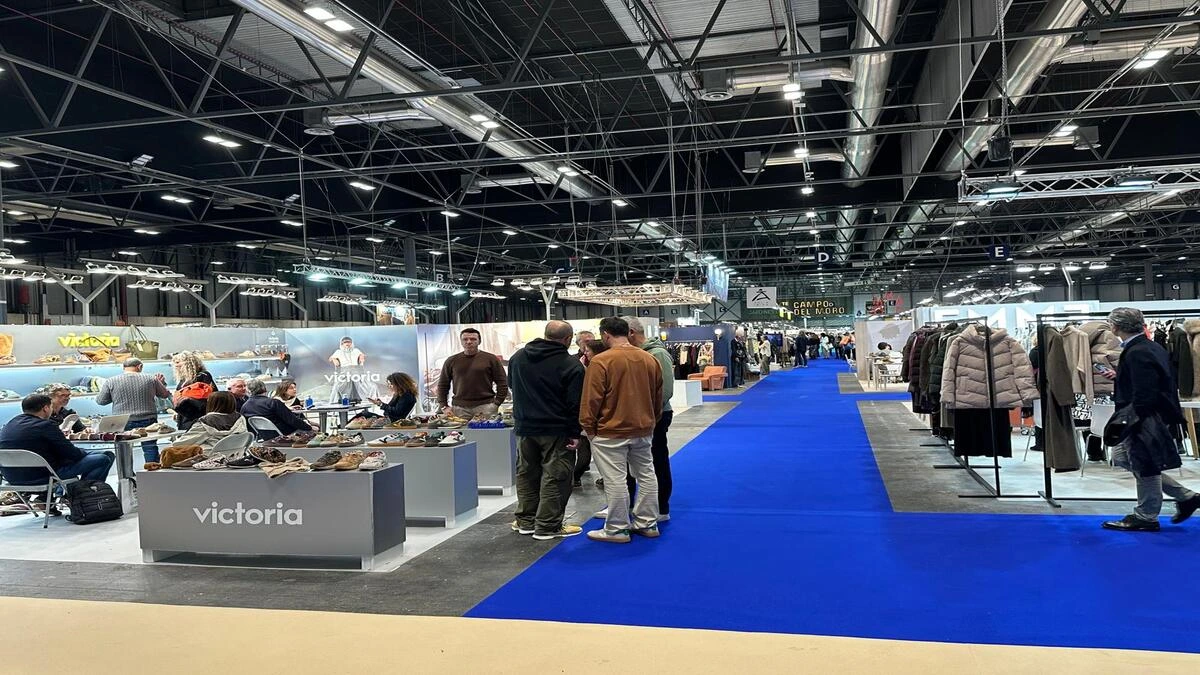
Key takeaways for buyers and product teams
Shoe trade fairs such as MOMAD Madrid continue to be essential meeting points for footwear brands and agents looking for reliable manufacturing partners. These events allow direct evaluation of technical expertise, production flexibility and communication practices, helping brands reduce sourcing risk and compare manufacturers in a professional, face-to-face environment.
For brands considering a Portuguese footwear manufacturer, trade fairs also highlight why Portugal remains a strategic hub for European footwear production. At MOMAD Madrid, LG Shoes engages with brands and agents by focusing on technical feasibility, transparency and long-term manufacturing partnerships rather than short-term transactions.
Why MOMAD Madrid matters when choosing a footwear manufacturing partner
Attending international shoe trade fairs like MOMAD Madrid, held at IFEMA, gives brands and agents the opportunity to evaluate a Portuguese footwear manufacturer beyond brochures and online profiles. These events create a professional environment where technical expertise, production mindset and communication style can be assessed face to face.
For footwear brands seeking reliable manufacturing partners in Europe, trade fairs play a critical role in reducing sourcing risk. They allow decision-makers to discuss materials, construction methods, minimum order quantities and development processes, while observing how manufacturers approach problem-solving and collaboration.
MOMAD Madrid brings together international brands, agents and European manufacturers in one space, making it a valuable touchpoint for those looking to build long-term footwear manufacturing partnerships rather than short-term transactional relationships.
Table of contents
- Why do shoe trade fairs still matter for sourcing?
- Why does MOMAD Madrid matter when choosing a manufacturing partner?
- What should brands and agents look for in a footwear manufacturer at trade fairs?
- Why is Portugal a strategic hub for footwear manufacturing in Europe?
- How do trade fairs help reduce sourcing risk?
- From first meeting to production: what should be clarified early?
- How does LG Shoes approach shoe trade fairs as a Portuguese footwear manufacturer?
- Beyond MOMAD: how should brands use trade fairs in their sourcing strategy?
- FAQs
- Editorial note
1. Why do shoe trade fairs still matter for sourcing?
Despite the growing role of digital platforms in supplier discovery, shoe trade fairs continue to play a critical role in footwear sourcing decisions. For brands and agents, selecting a manufacturing partner involves far more than reviewing a website or exchanging emails. It requires trust, technical understanding and confidence in a manufacturer’s ability to deliver consistently.
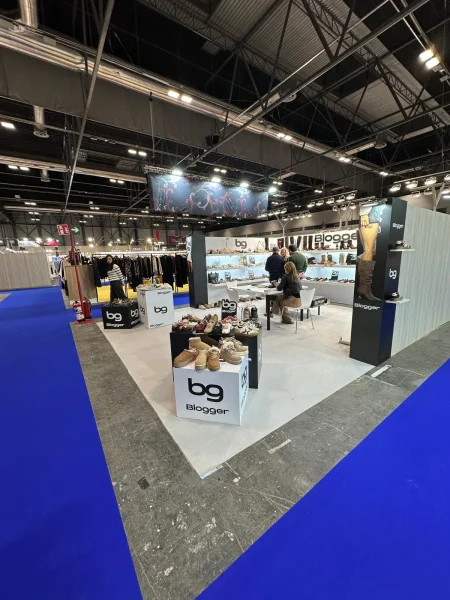
Trade fairs create a controlled, professional environment where these factors can be evaluated in person. Brands are able to assess how manufacturers communicate, explain manufacturing constraints and respond to technical questions. These interactions often reveal far more about a potential partnership than any online presentation.
Another key advantage of shoe trade fairs is the ability to compare manufacturers side by side. Within a single event, brands can observe different production approaches, levels of specialization and attitudes toward collaboration. This comparison helps decision-makers identify manufacturers that align not only with their product requirements, but also with their working style and long-term vision.
For sourcing teams, trade fairs also reduce uncertainty. Early conversations around materials, construction methods, minimum order quantities and development timelines help surface potential risks before commitments are made. As a result, trade fairs remain a valuable step in building reliable and sustainable footwear supply chains.
2. Why does MOMAD Madrid matter when choosing a manufacturing partner?
International shoe trade fairs such as MOMAD Madrid provide a structured, professional environment where brands and manufacturers can meet in person to discuss sourcing and production.
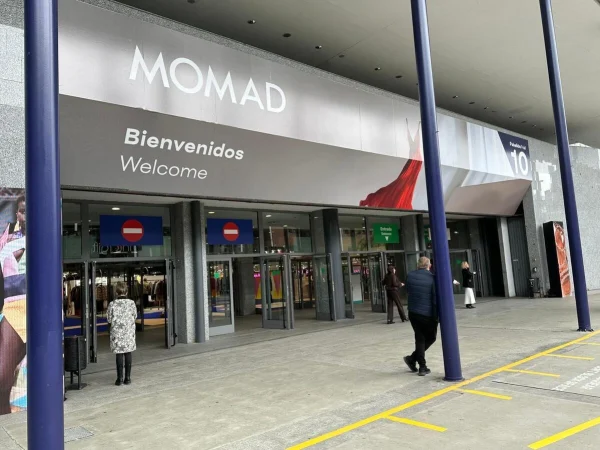
MOMAD Madrid stands out as a relevant meeting point for footwear brands and agents looking to engage with European manufacturers in a professional and focused environment. Unlike broader fashion events, MOMAD brings together decision-makers who are actively involved in sourcing, development and production discussions.
For brands evaluating a manufacturing partner, the value of MOMAD lies in the quality of interaction it enables. Conversations move beyond surface-level introductions and allow deeper discussion around production capabilities, development processes and collaboration models. This level of dialogue is essential when assessing whether a manufacturer can meet both technical and operational expectations.
Another key aspect of MOMAD Madrid is its international profile combined with a strong European manufacturing presence. Brands and agents attending the fair can compare different manufacturing approaches while maintaining proximity to production hubs such as Portugal. This makes MOMAD particularly relevant for those seeking reliable European footwear manufacturing partners.
By bringing together international brands, agents and manufacturers in one space, MOMAD Madrid facilitates informed decision-making at an early stage of the sourcing process. It allows brands to validate assumptions, identify potential risks and initiate partnerships built on transparency rather than short-term transactional goals.
3. What should brands and agents look for in a footwear manufacturer at trade fairs?
When attending shoe trade fairs, brands and agents should go beyond visual impressions and focus on evaluating a manufacturer’s footwear manufacturing capabilities. These include technical expertise, understanding of construction methods and the ability to translate design concepts into consistent production outcomes. A reliable footwear manufacturing partner should be able to discuss feasibility clearly and identify potential limitations early in the process.
Another critical factor is experience with private label footwear manufacturing. Brands sourcing in Europe often require flexibility in materials, finishes and production volumes. Manufacturers operating within the Portuguese footwear industry are frequently recognised for their ability to support small to medium production runs while maintaining quality and consistency across collections.
Trade fairs also provide an opportunity to assess how manufacturers approach the footwear development process, including footwear prototyping, sampling timelines and validation stages. Open and structured discussions around development workflows, manufacturing lead times and quality control help brands understand whether a manufacturer is prepared to support them beyond initial samples.
Finally, brands and agents should consider how a manufacturer positions itself within the broader footwear supply chain. Topics such as ethical footwear manufacturing, sustainable footwear production and transparency in sourcing are increasingly important, particularly for brands operating in European and North American markets. Trade fairs allow these aspects to be discussed directly, helping brands identify partners aligned with their long-term sourcing strategy.
4. Why is Portugal a strategic hub for footwear manufacturing in Europe?
Portugal has built a strong reputation as a European footwear manufacturer by combining manufacturing tradition with continuous technical development. Over decades, the Portuguese footwear industry has evolved to meet the needs of international brands, particularly in the fashion, premium and private label segments, where quality and consistency are critical.
One of Portugal’s key strengths lies in its footwear manufacturing capabilities, supported by a skilled workforce and close collaboration between design, development and production teams. This allows manufacturers to handle complex constructions, refine fit and comfort, and support demanding development cycles with greater precision.
Flexibility is another decisive factor. Many brands sourcing in Europe require adaptable production models, especially during early collection stages. Portuguese manufacturers are widely recognised for supporting small to medium production runs, making the country an attractive option for brands that value responsiveness without compromising quality.
In addition to technical expertise, Portugal aligns strongly with growing expectations around ethical footwear manufacturing and sustainable footwear production. Operating under European regulations, manufacturers benefit from transparent labor practices, environmental standards and supply chain accountability. Combined with geographic proximity to major European markets, Portugal continues to stand out as a reliable and strategic hub for footwear production in Europe.
5. How do trade fairs help reduce sourcing risk?
One of the primary reasons brands attend shoe trade fairs is to reduce uncertainty in the footwear sourcing process. Choosing a manufacturing partner involves multiple variables, from technical feasibility to operational reliability when working with a Portuguese footwear manufacturer. Trade fairs allow brands to address these variables early, before any formal commitments are made.
Direct, face-to-face discussions help clarify critical aspects of the footwear development process, including materials, construction methods and prototyping expectations. These conversations often surface potential challenges that may not be evident through digital communication alone, enabling brands to assess how manufacturers approach problem-solving and technical validation.
Trade fairs also support more accurate evaluation of manufacturing lead times and production planning. By discussing timelines, capacity and flexibility in person, brands can better understand whether a manufacturer is equipped to meet delivery requirements and adapt to changes during the production cycle.
Finally, trade fairs contribute to more resilient footwear supply chains by allowing brands to validate assumptions and compare multiple manufacturing partners in a single setting. This comparative perspective reduces reliance on incomplete information and helps brands build sourcing strategies based on transparency, risk awareness and long-term operational alignment.
6. From first meeting to production: what should be clarified early?
The initial meeting at a shoe trade fair is only the starting point of a potential partnership. To avoid misunderstandings later, brands and agents should use early conversations to clarify how the footwear development process is structured, from initial concept to production-ready samples. Clear alignment at this stage helps prevent costly revisions once production is underway.
One of the most important topics to address early is footwear prototyping. Brands should understand how samples are developed, how many iterations are typically required and what validation steps are involved before moving to bulk production. Transparent discussion around prototyping timelines and approval responsibilities reduces friction and keeps development schedules realistic.
Equally critical is agreement on manufacturing lead times and production capacity. Early clarification around minimum order quantities, scaling possibilities and delivery expectations allows brands to assess whether a manufacturer can support both current needs and future growth. This is particularly relevant for brands planning seasonal launches or phased rollouts.
Finally, brands should clarify how quality control and communication are managed throughout the production phase. Understanding decision ownership, feedback loops and escalation processes strengthens trust and supports smoother collaboration. Addressing these elements early helps establish a manufacturing partnership built on structure, accountability and long-term alignment.
7. How does LG Shoes approach shoe trade fairs as a Portuguese footwear manufacturer?
For LG Shoes, participation in shoe trade fairs is not approached as a transactional sales exercise, but as a strategic moment to initiate meaningful dialogue with brands and agents. Trade fairs are seen as an opportunity to understand sourcing challenges, product requirements and long-term objectives before discussing production details.
As a Portuguese footwear manufacturer, LG Shoes uses these events to engage in technical conversations around feasibility, construction methods and development workflows. Rather than focusing on volume-driven discussions, the emphasis is placed on alignment, transparency and realistic expectations from the earliest stages of contact.
Trade fairs also allow LG Shoes to demonstrate its role within the broader footwear supply chain. By openly discussing production capacity, development processes and quality control practices, the company aims to support informed decision-making and reduce uncertainty for brands considering European manufacturing partners.
Ultimately, LG Shoes approaches trade fairs as the starting point for long-term manufacturing partnerships. By prioritising collaboration, ethical practices and consistent communication, the company seeks to build relationships that extend beyond individual collections and support sustainable growth for both brands and manufacturing partners.
8. Beyond MOMAD: how should brands use trade fairs in their sourcing strategy?
While events such as MOMAD Madrid play an important role, brands should view shoe trade fairs as part of a broader and ongoing footwear sourcing strategy rather than isolated touchpoints. Each fair offers a different perspective on the market, manufacturing capabilities and regional strengths, allowing brands to build a more informed and resilient sourcing approach over time.
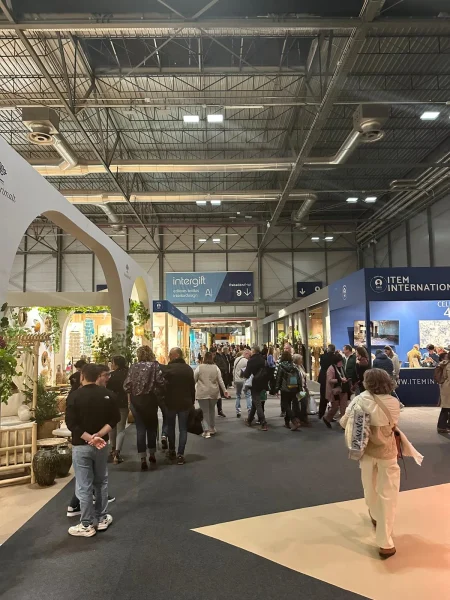
By attending multiple fairs, brands gain exposure to a wider range of European footwear manufacturers and production models. This comparative insight helps sourcing teams benchmark quality standards, development processes and collaboration styles, reducing reliance on a single source of information or a limited supplier network.
Trade fairs also support long-term planning by strengthening relationships within the footwear supply chain. Repeated interactions with manufacturers across different events allow brands to track consistency, evaluate progress and deepen mutual understanding. These ongoing exchanges often lead to more stable partnerships and improved production outcomes.
Ultimately, brands that integrate trade fairs into their sourcing strategy are better positioned to make strategic decisions based on transparency, technical validation and long-term alignment. Rather than focusing solely on immediate needs, this approach supports sustainable growth and more reliable manufacturing partnerships over time.
9. FAQs
How do I choose the right footwear manufacturing partner for my brand?
Choosing the right partner goes beyond price or production capacity. Brands should evaluate technical expertise, experience with private label footwear manufacturing, communication practices and transparency throughout the development and production process. A reliable manufacturer should be able to explain feasibility clearly and support informed decision-making from the start.
Is Portugal a good option for footwear manufacturing in Europe?
Yes. Portugal is widely recognised as a strategic hub for footwear manufacturing in Europe, combining skilled craftsmanship, flexible production models and strong quality standards. Many brands choose Portuguese manufacturers for their ability to support small to medium production runs while maintaining consistency and ethical production practices.
What role do shoe trade fairs play in footwear sourcing?
Shoe trade fairs provide a structured environment for evaluating manufacturers in person. They allow brands and agents to assess footwear manufacturing capabilities, discuss development workflows and compare multiple suppliers side by side, helping reduce sourcing risk early in the decision-making process.
What should brands clarify before moving from samples to production?
Before entering production, brands should clarify expectations around footwear prototyping approval stages, manufacturing lead times and quality control procedures. Clear alignment on these elements helps prevent delays, cost overruns and miscommunication during bulk production.
Why is sustainability important when selecting a footwear manufacturer?
Sustainability and ethical practices are increasingly important for brands operating in European and North American markets. Working with manufacturers committed to ethical footwear manufacturing and transparent supply chains supports regulatory compliance, brand reputation and long-term sourcing stability.
10. Editorial note
This article reflects LG Shoes’ participation in international shoe trade fairs, including MOMAD Madrid, and is based on direct industry interaction and manufacturing experience. The insights shared aim to support footwear brands and agents in making informed sourcing decisions when evaluating European manufacturing partners.
LG Shoes operates exclusively in the B2B sector as a Portuguese footwear manufacturer, working with brands and professional agents on private label and custom footwear production.


 English

