
TLDR
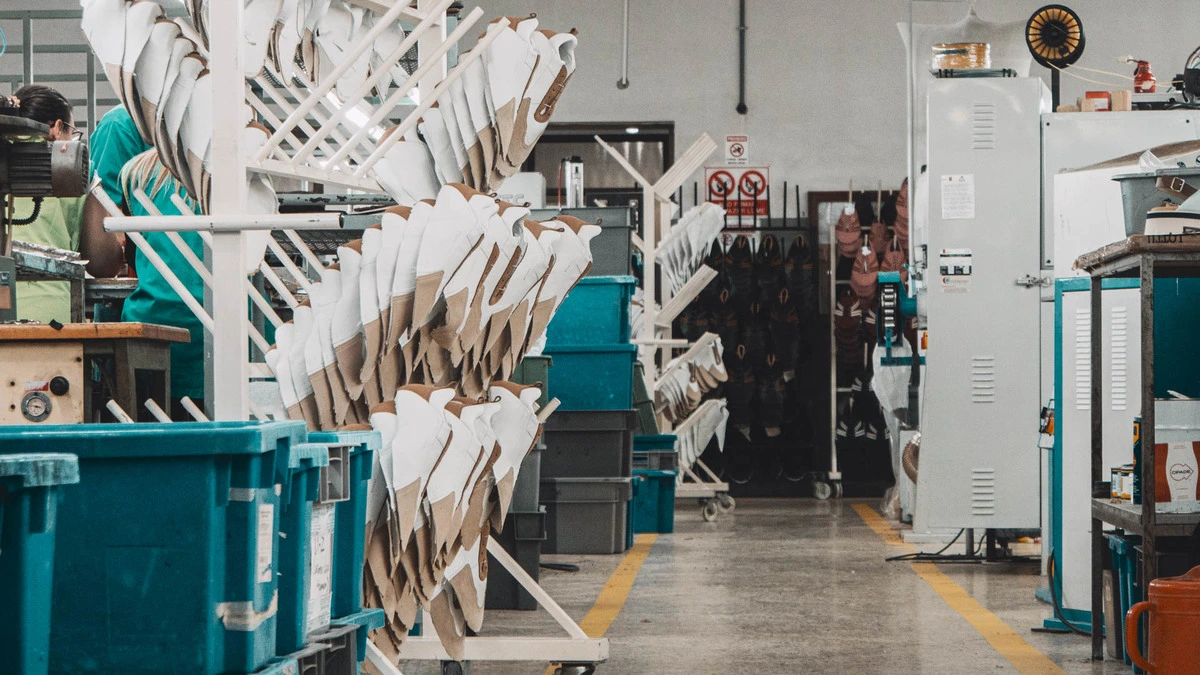
Portugal has become one of the most strategic locations for footwear production in Europe. Brands working with a Portuguese shoe manufacturer benefit from high-quality craftsmanship, ethical and SMETA certified production, flexible small batch manufacturing, technical development expertise, and reduced supply chain risk. For German and US brands seeking reliable, sustainable, and long-term manufacturing partnerships, Portugal offers a clear competitive advantage.
Introduction
As global supply chains continue to shift, footwear brands are reassessing how they select a Portuguese shoe manufacturer and structure their sourcing strategies. Rising geopolitical instability, increased regulatory pressure in Europe, and growing sustainability expectations are forcing brands to reconsider offshore manufacturing models.
For many international buyers, partnering with a Portuguese shoe manufacturer is no longer a secondary option. It is a strategic sourcing decision.
In 2026, Portugal stands out as a stable, high-quality, and future-oriented footwear manufacturer Portugal brands can rely on for consistent results.
Table of contents
- Portugal’s established footwear ecosystem
- Reduced supply chain risk and nearshoring benefits
- Ethical and sustainable production as a competitive requirement
- Private label flexibility and small batch production
- Technical development and prototyping excellence
- Long-term partnership and operational stability
- Conclusion
- Frequently asked questions
- About LG Shoes
1. Portugal’s established footwear ecosystem
Portugal is internationally recognized as a high-quality shoe factory Portugal with decades of industrial expertise. The country combines traditional craftsmanship with advanced production technology, offering a rare balance between precision and flexibility.
A European footwear manufacturer based in Portugal typically provides:
- Skilled technical teams
- Advanced pattern engineering
- Modern production facilities
- Strong supplier networks
- Efficient material sourcing
This ecosystem supports luxury shoe manufacturing Portugal is known for, as well as premium private label collections.
For brands seeking reliability and consistency, Portugal delivers industrial maturity with artisanal attention to detail.
2. Reduced supply chain risk and nearshoring benefits
Supply chain resilience is now a board-level concern.
For German brands, nearshoring production to a shoe manufacturer Portugal offers clear operational advantages:
- Shorter lead times
- Faster sampling and prototyping
- Easier factory audits
- Lower transportation risk
- Greater production visibility
For US brands, working with a Portuguese shoe factory provides access to European manufacturing standards while reducing dependency on long-distance Asian production hubs.
Compared to offshore sourcing, flexible footwear production Portugal enables faster market response and improved inventory control.
Industry trade fairs such as Lineapelle also play a strategic role in sourcing decisions. These events allow international brands to evaluate Portuguese manufacturers in person, assess technical capabilities, review material innovation, and verify sustainability standards before establishing long-term partnerships.
3. Ethical and sustainable production as a competitive requirement
Sustainability is no longer a marketing feature. It is a structural requirement.
Portugal has positioned itself as a sustainable shoe manufacturer Europe buyers trust. Many factories operate under internationally recognized compliance frameworks, including the SMETA audit framework developed by Sedex.
Working with a SMETA certified shoe manufacturer ensures:
- Ethical labor practices
- Transparent production processes
- Responsible sourcing policies
- Traceability across the supply chain
- Alignment with ESG and CSR commitments
For brands operating in Germany and across the EU, choosing an ethical shoe production Europe partner significantly reduces regulatory and reputational risk.
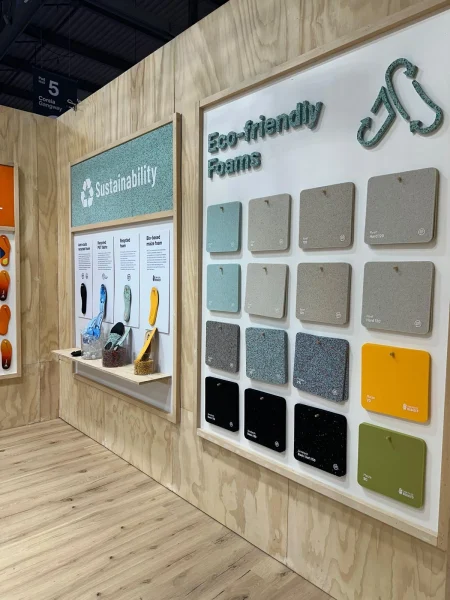
Beyond SMETA certification, many Portuguese manufacturers operate under structured Environmental Management Systems aligned with ISO 14001 standards. This ensures environmental responsibility is embedded in operational processes, monitored through measurable objectives and continuously improved.
Sustainable footwear Portugal production is increasingly becoming a selection criterion in supplier evaluations.
4. Private label flexibility and small batch production
One of Portugal’s strongest competitive advantages is flexibility.
Unlike high-volume mass production regions, Portuguese manufacturers are known for:
- Small batch shoe production Europe
- Custom shoe manufacturing
- Private label footwear production Europe
- Development of limited collections
- Controlled production scaling
This is particularly relevant for:
- Emerging premium brands
- Fashion labels testing new concepts
- Brands launching capsule collections
- Companies managing inventory risk carefully
Private label shoes Portugal production allows brands to maintain design identity while benefiting from technical manufacturing expertise.
5. Technical development and prototyping excellence
Quality is defined during development, not during final inspection.
A Portuguese shoe manufacturer for brands typically offers strong technical support during:
- Last development
- Material testing
- Pattern optimization
- Wear trials
- Construction method refinement
For brands seeking a custom sneaker manufacturer in Portugal or a women’s footwear partner with technical depth, robust development processes directly influence final product performance.
This collaborative engineering approach strengthens consistency, durability, and comfort, key factors for premium positioning.
6. Long-term partnership and operational stability
Strategic sourcing is not transactional. It is relational.
A shoe factory Portugal focused on long-term collaboration provides:
- Direct communication channels
- Transparent costing structures
- Stable production planning
- Continuous process improvement
- Shared commitment to growth
For international buyers seeking a high-quality shoe factory Portugal partner, stability is often as important as cost efficiency.
In an increasingly volatile global environment, working with an ethical footwear supplier for brands based in Europe provides structural security.
7. Conclusion
In 2026, footwear manufacturing decisions must balance cost, risk, sustainability, flexibility, and quality.
Portugal offers:
- European production standards
- Ethical and SMETA certified operations
- Flexible small to medium production runs
- Advanced technical development
- Reliable long-term partnerships
For German and US brands seeking a European footwear manufacturer that combines industrial capability with responsible practices, Portugal represents a strategic and future-proof manufacturing choice.
8. Frequently asked questions
1. Why choose a Portuguese shoe manufacturer instead of sourcing in Asia?
For European brands, working with a Portuguese shoe manufacturer reduces supply chain risk, shortens lead times and simplifies compliance management. Nearshoring production to Portugal allows faster sampling, easier factory visits and stronger production oversight.
For US brands, Portugal offers access to European manufacturing standards, ethical production frameworks and premium positioning, without the volatility associated with long-distance sourcing hubs.
2. Is Portugal suitable for small batch and premium footwear production?
Yes. Portuguese manufacturers are known for flexible footwear production and small to medium batch capabilities.
Unlike mass-production regions, a shoe factory Portugal can support limited collections, capsule launches and controlled production scaling. This is particularly relevant for premium brands, emerging labels and companies testing new concepts before committing to large volumes.
3. What certifications should a European footwear manufacturer have?
When evaluating a European footwear manufacturer, brands typically look for structured compliance frameworks such as:
- SMETA certification for ethical labour and responsible business practices
- ISO 14001 aligned Environmental Management Systems
- Clear traceability and responsible sourcing policies
These elements reduce regulatory exposure and strengthen ESG alignment, especially for brands operating in Germany and across the EU.
4. How does working with a Portuguese shoe factory reduce regulatory and reputational risk?
Working with a Portuguese shoe factory means operating within the European Union’s labour and environmental regulatory framework. This significantly reduces exposure to compliance penalties and supply chain disruptions.
When combined with SMETA certification and ISO 14001 aligned Environmental Management Systems, Portuguese manufacturers offer documented processes, traceability and structured operational controls.
For brands operating in Germany and across the EU, this provides greater transparency, stronger ESG alignment and long-term sourcing stability.
9. About LG Shoes
LG Shoes is a Portuguese shoe manufacturer with extensive experience supporting international brands across Europe and the United States. The company combines industrial capability, ethical production standards, and technical expertise to deliver reliable long-term manufacturing partnerships.


 English

