
TLDR
Trade fairs such as Lineapelle remain a critical step in the supplier evaluation process. For international brands, meeting a European footwear manufacturer in person reduces sourcing risk, validates technical capabilities, and strengthens long-term partnership decisions. In an increasingly digital sourcing environment, physical interaction still plays a decisive role in selecting the right manufacturing partner.
Introdução
In 2026, calçado sourcing decisions are more complex than ever. Brands are balancing cost efficiency, sustainability, compliance requirements, produção flexibility, and long-term operational stability.
While digital communication, virtual showrooms, and online portfolios have become standard tools, they are not sufficient for making high-stakes manufacturing decisions. Selecting a European fabricante de calçado requires more than reviewing a website or exchanging emails. It requires validation.
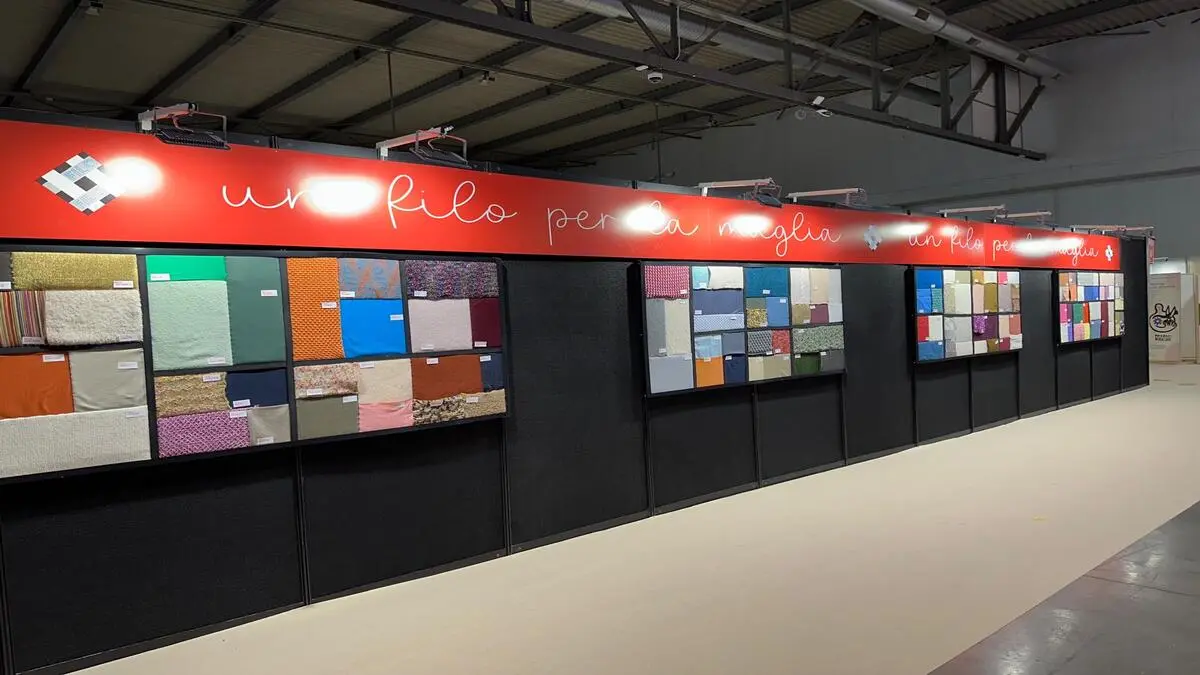
Trade fairs such as Lineapelle continue to play a strategic role in this process. They offer a structured environment where international brands can assess technical capabilities, material innovation, and production maturity before committing to a partnership.
For many German and US brands, these events are not merely networking opportunities. They are decision platforms.
Índice de Conteúdos
- Why trade fairs still matter in a digital sourcing world
- How brands evaluate a footwear manufacturer at Lineapelle
- Trade fairs as a risk reduction tool
- From first meeting to long-term partnership
- Why Lineapelle influences footwear sourcing decisions
- Conclusão
- Perguntas frequentes
- About LG Shoes
- Nota editorial
1. Why trade fairs still matter in a digital sourcing world
Digital sourcing tools have become standard in the footwear industry. Brands review websites, request virtual meetings, and compare technical specifications online before initiating contact with a European footwear manufacturer.
However, selecting the right manufacturing partner remains a strategic decision with long-term operational consequences. It affects product quality, regulatory compliance, supply chain resilience, and production reliability.
Trade fairs such as Lineapelle provide a level of validation that digital communication cannot fully replace. They allow brands to assess product samples, evaluate construction quality, discuss private label production, and compare multiple suppliers in a single environment.
For many German and US brands, this physical evaluation stage reduces sourcing uncertainty and strengthens the supplier selection process.
Digital tools increase efficiency.
Trade fairs strengthen decision confidence.
2. How brands evaluate a footwear manufacturer at Lineapelle
Trade fairs are not only networking environments. They function as practical evaluation platforms.
When meeting a potential European footwear manufacturer at Lineapelle, international buyers typically assess more than product aesthetics. The evaluation process often includes:
- Technical understanding of construction methods
- Sample quality and finishing standards
- Prototyping capabilities and development process
- Flexibility in small batch or private label production
- Production capacity and scalability
- Alignment with sustainability standards
Face-to-face discussions also reveal operational maturity. Clear communication, responsiveness, and structured answers to sourcing questions are often early indicators of long-term reliability.
For brands focused on supply chain resilience and regulatory compliance, this initial interaction helps filter potential partners before factory audits or sample development begin.
In this context, Lineapelle becomes more than a materials fair. It becomes a decision environment where supplier evaluation starts.
3. Trade fairs as a risk reduction tool
In 2026, selecting a European footwear manufacturer is closely linked to risk management. The decision impacts product quality, regulatory compliance, delivery reliability, and overall brand positioning. Trade fairs help reduce uncertainty at this early stage of supplier evaluation.
Meeting manufacturers in person allows brands to clarify production lead times, capacity planning, and development processes before investing in sampling or factory audits. These conversations often reveal operational structure, transparency in sourcing practices, and alignment with European sustainability standards.
Meeting manufacturers in person allows brands to clarify production lead times, capacity planning, and development processes before investing in sampling or factory audits. These conversations often reveal operational structure, transparency in sourcing practices, and alignment with European sustainability standards, including compliance frameworks such as the ISO 14001 Environmental Management System standard.
This early-stage validation helps brands reduce operational and compliance risk before entering formal production agreements.
4. From first meeting to long-term partnership
Initial conversations at trade fairs often mark the beginning of a longer evaluation process. For brands seeking a reliable European footwear manufacturer, the first meeting is rarely about immediate orders. It is about assessing long-term compatibility.
After the initial contact, the next stages typically involve technical discussions, prototype development, and sample validation. Brands evaluate communication efficiency, responsiveness, production planning, and the ability to translate design concepts into scalable manufacturing solutions.
When the transition from trade fair discussion to development phase is structured and transparent, trust is built gradually. Over time, what began as a brief conversation at Lineapelle can evolve into a stable manufacturing partnership grounded in technical expertise, compliance alignment, and shared growth objectives.
5. Why Lineapelle influences footwear sourcing decisions
Lineapelle is more than a materials exhibition. It is one of the most influential meeting points for the European footwear industry, bringing together manufacturers, material suppliers, designers, and international buyers in a single environment.
For brands evaluating a European footwear manufacturer, Lineapelle provides immediate access to innovation trends, sustainable material developments, and evolving construction techniques. The proximity between manufacturers and suppliers also offers insight into how integrated and responsive a production ecosystem truly is.
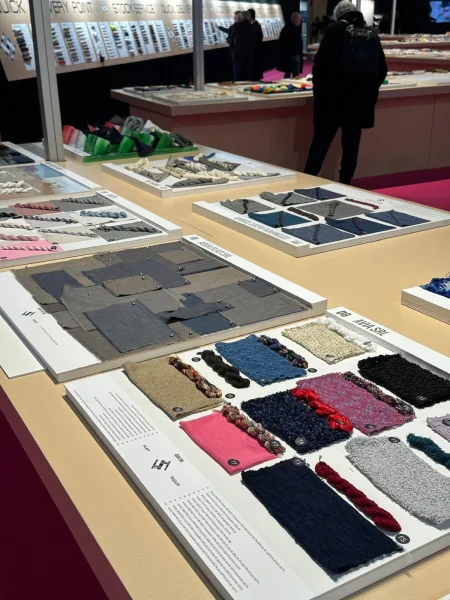
Beyond product displays, Lineapelle allows buyers to observe how manufacturers present their capabilities, discuss development workflows, and position their sustainability standards. This combination of technical dialogue, material innovation, and direct interaction makes the event a meaningful decision platform within a broader sourcing strategy.
6. Conclusion
In an increasingly complex sourcing environment, selecting the right European footwear manufacturer requires more than reviewing digital portfolios or exchanging virtual presentations. It demands structured evaluation, technical validation, and early-stage risk assessment.
Trade fairs such as Lineapelle continue to play a meaningful role in this process. They provide a controlled environment where brands can assess product quality, discuss development workflows, evaluate sustainability standards, and compare suppliers directly before entering formal partnership stages.
For German and US brands seeking long-term manufacturing stability in Europe, trade fairs remain not just industry events, but strategic decision platforms within a broader sourcing strategy.
Brands evaluating a European footwear manufacturer for upcoming collections are welcome to contact our team to discuss development timelines, production capabilities, and potential long-term collaboration.
7. Frequently asked questions
1. Why are trade fairs important when selecting a European footwear manufacturer?
Trade fairs allow brands to assess product samples, technical capabilities, and communication quality in person. This early interaction reduces sourcing risk and helps validate whether a European footwear manufacturer meets long-term production, compliance, and sustainability expectations.
2. Can trade fairs replace factory audits in the supplier selection process?
No. Trade fairs are an initial evaluation stage, not a replacement for factory audits. They help filter potential suppliers before moving into more structured steps such as sample development, compliance verification, and on-site production assessments.
3. What should brands look for when meeting a footwear manufacturer at Lineapelle?
Brands typically evaluate construction methods, sample quality, prototyping capabilities, production capacity, and alignment with sustainability standards. Clear communication and transparency regarding sourcing practices are also key indicators of operational maturity.
4. How do trade fairs support nearshoring production to Europe?
Trade fairs provide direct access to European suppliers, reducing dependency on intermediaries. For brands considering nearshoring production, they offer an efficient way to compare manufacturers, assess supply chain stability, and initiate structured sourcing discussions.
8. About LG Shoes
LG Shoes is a Portuguese company operating as a European footwear manufacturer, supporting international brands across Germany, the United States, and other European markets.
With extensive experience in private label production, prototyping, and technical development, the company combines industrial capability with structured compliance standards, including SMETA certification and ISO 14001 aligned environmental management systems.
By integrating craftsmanship, production efficiency, and sustainability practices, LG Shoes focuses on building long-term manufacturing partnerships grounded in reliability and transparency.
9. Nota editorial
This article is based on industry observations and direct participation at Lineapelle 2026. The insights presented reflect common supplier evaluation practices within the European footwear sector and aim to support informed sourcing decisions.


 Portuguese

