
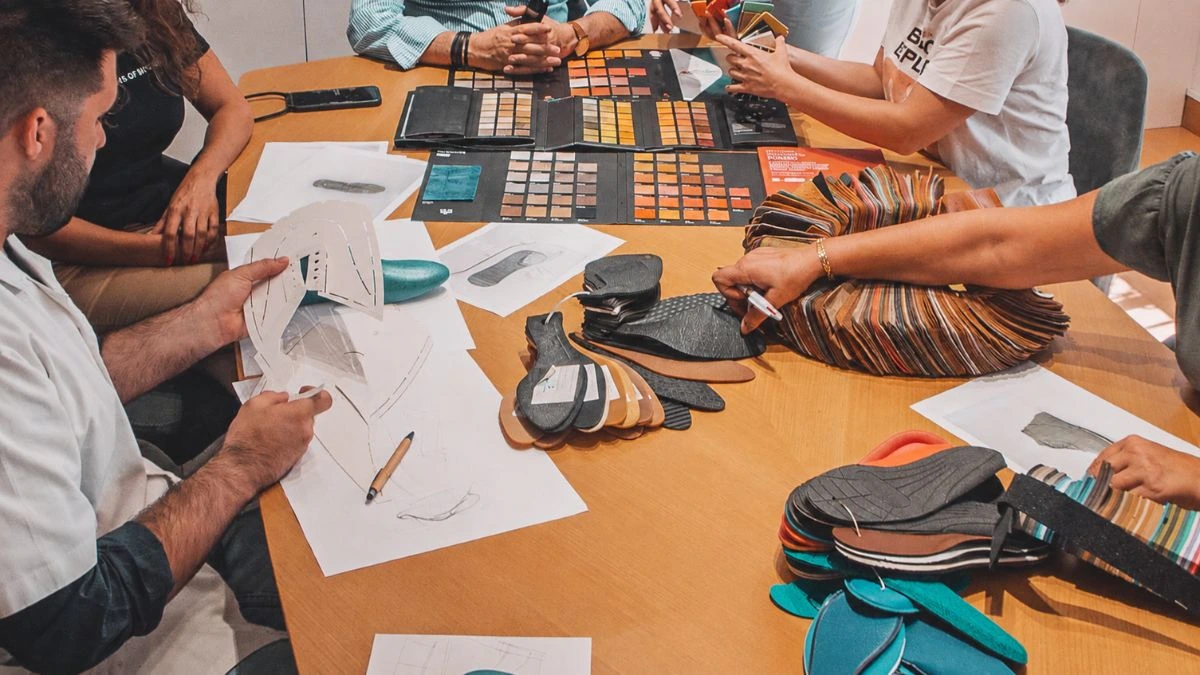
TLDR – footwear production briefing explained: A complete footwear production briefing helps brands define product specifications, materials, construction methods, sizing expectations, MOQ, timelines and quality requirements before working with a manufacturer. A clear briefing reduces errors, avoids delays and supports a smoother transition from development to production.
Footwear production briefing: why preparation defines production success
A footwear production briefing is one of the most important documents a brand can prepare before starting development or manufacturing. It connects the creative vision of the collection with the technical and operational requirements needed to produce calçado efficiently.
Many produção problems do not begin on the factory floor. They begin earlier, when product information is incomplete, specifications are unclear or expectations are not aligned between the brand and the manufacturer.
For brands working with a footwear manufacturing partner, a strong briefing helps clarify what needs to be developed, tested, sourced and approved before production starts.
A well-prepared briefing supports:
- Clearer communication between brand and manufacturer
- More accurate cost estimation
- Better material and component sourcing
- Fewer sampling corrections
- More predictable production timelines
- Improved quality control before mass production
In other words, a footwear production briefing is not just an administrative document. It is a strategic tool that helps brands reduce uncertainty and build a stronger production process from the beginning.
Índice de Conteúdos
- What is a footwear production briefing?
- Why a complete briefing matters before production
- Product design and technical specifications
- Materials and components
- Construction method and product performance
- Fit, sizing and comfort expectations
- Quantity, MOQ and production planning
- Quality requirements and approval criteria
- Timeline, budget and commercial expectations
- Common mistakes in footwear production briefing
- Footwear production briefing checklist
- Perguntas Frequentes
What is a footwear production briefing?
A footwear production briefing is a structured document or set of instructions that explains what a brand wants to develop and what the manufacturer needs to know before starting work.
It can include creative references, sketches, technical files, target materials, construction preferences, size ranges, quantities, quality expectations and commercial goals.
The purpose of the briefing is to transform an idea into a clear production direction. Without this step, manufacturers may need to make assumptions, which can lead to delays, inaccurate quotations or unnecessary development rounds.
A complete briefing usually connects several areas of the footwear development process, including:
- Product concept
- Technical specifications
- Material sourcing
- Construction method
- Sample development
- Production planning
- Controlo de qualidade
For brands preparing a new collection, this document helps the manufacturer understand not only what the product should look like, but also how it should perform, how it should fit and what market positioning it needs to support.
Why a complete briefing matters before production
A complete footwear production briefing helps prevent many issues that commonly appear during development and production.
When the briefing is incomplete, manufacturers may struggle to understand:
- Which materials are required
- Which construction method is preferred
- Which size range should be developed
- Which quality criteria should be followed
- Which quantities and delivery expectations are realistic
This can create unnecessary corrections during sampling, delays in supplier sourcing and uncertainty around final production costs.
A clear briefing also helps brands become better partners. It shows that the brand understands the importance of preparation and respects the technical process behind manufacturing.
This is especially important in private label footwear production, where the manufacturer often supports the brand through development, technical adjustments and production planning.
For B2B footwear brands, preparation is not only about being organised. It directly affects commercial outcomes. A better briefing can lead to better samples, more accurate pricing, fewer misunderstandings and a smoother path to final production.
Product design and technical specifications
The first part of a footwear production briefing should define the product design as clearly as possible.
Brands should provide:
- Product sketches or reference images
- Technical drawings, if available
- Target product category
- Upper design details
- Sole references
- Branding placement
- Colour options
- Finishing expectations
The more precise the design information, the easier it is for the manufacturer to evaluate feasibility, estimate costs and identify technical limitations.
A strong briefing should also include a technical specification sheet or tech pack whenever possible. This can help define dimensions, materials, components and construction details.
However, brands should remember that a tech pack does not replace manufacturer input. In footwear, many technical decisions need to be adjusted during sampling because materials, lasts, soles and construction methods interact with each other.
This is why collaboration during development is essential. A manufacturer can help identify potential risks before they become production problems.
For brands that are still refining their idea, it may be useful to involve the manufacturer early in the footwear prototyping accuracy stage, where design concepts are tested and adjusted before scaling.
Materials and components
Material information is one of the most critical parts of any footwear production briefing.
Brands should define:
- Preferred upper materials
- Lining materials
- Insole and outsole requirements
- Hardware or trims
- Colour references
- Texture or finish expectations
- Sustainability or traceability requirements
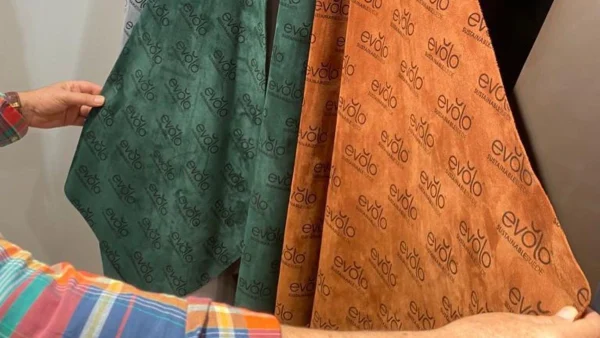
Material choices affect cost, comfort, durability, production feasibility and lead time. For example, a premium leather product may require different handling, cutting and finishing processes compared to a technical fabric or synthetic alternative.
When materials are not clearly defined, the manufacturer may need to suggest alternatives based on availability, budget and production constraints.
That is not necessarily a problem. In many cases, manufacturer input improves the final product. But if the brand has specific expectations, those should be communicated clearly in the briefing.
Material decisions are also connected to footwear manufacturing requirements. Some materials may have supplier minimums, longer lead times or specific testing needs. This can influence both sampling and production planning.
For brands developing collections in Europe, it is useful to understand how footwear material selection impacts quality, cost and production decisions.
Construction method and product performance
The construction method should be included in the footwear production briefing whenever the brand has a specific technical requirement.
Different construction methods influence:
- Flexibility
- Durability
- Weight
- Comfort
- Cost
- Production complexity
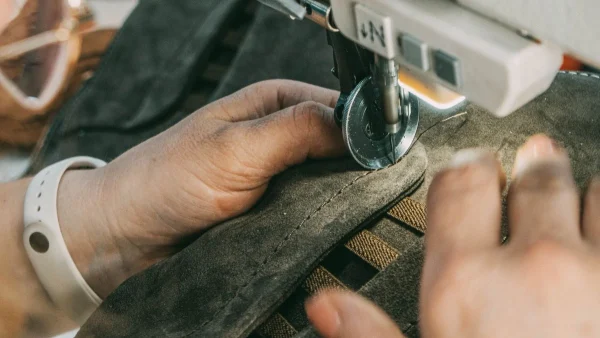
For example, a sneaker designed for flexibility may require a different approach from a formal shoe focused on structure and durability. A waterproof or outdoor product may require additional technical requirements compared to a casual lifestyle shoe.
Brands do not always need to choose the final construction method alone. In many cases, the manufacturer can recommend the best option based on product category, target market and expected performance.
Still, the briefing should include any known preferences or constraints. This helps the manufacturer evaluate the project more accurately.
Useful information includes:
- Desired product flexibility
- Expected durability level
- Weight preferences
- Target use case
- Market positioning
If brands are unsure which method fits their project, they can explore different footwear construction methods before defining the technical direction.
Fit, sizing and comfort expectations
Fit and sizing are often underestimated during briefing, but they are essential to product success.
A strong footwear production briefing should clarify:
- Target size range
- Fit preference
- Target customer profile
- Market sizing standards
- Comfort expectations
- Last requirements
Fit expectations can vary depending on market, product type and brand positioning. A fashion sneaker, a luxury casual shoe and a performance-oriented product may all require different fit strategies.
Brands should also clarify whether they already have an approved last or if a new one needs to be developed or adapted.
Without clear sizing information, problems may appear during sampling or production. These can include inconsistent fit, uncomfortable pressure points or size grading issues.
Fit validation should be part of the sampling process and should happen before mass production begins. A sample may look visually correct but still fail if it does not meet comfort expectations.
For this reason, fit should never be treated as a final detail. It is a core part of shoe production planning and should be included in the briefing from the beginning.
Quantity, MOQ and production planning
Quantity expectations are another essential part of a footwear production briefing.
Brands should define:
- Expected order quantity
- Number of models
- Number of colourways
- Size breakdown
- Launch timing
- Future scaling expectations
This information helps the manufacturer evaluate production feasibility, material sourcing and cost structure.
MOQ, or minimum order quantity, is especially important. It affects pricing, sourcing, planning and production efficiency.
If a brand wants to produce a low-volume collection, the briefing should explain that clearly from the start. This allows the manufacturer to suggest realistic options and avoid unnecessary assumptions.
Quantity planning also helps brands avoid overcomplicating early collections. Too many models, colours or materials can increase production complexity and make the project harder to manage.
For brands testing the market, it may be better to start with a focused collection and scale based on demand.
To understand this topic in more detail, brands can read about footwear MOQ and how minimum order quantity affects cost, flexibility and production strategy.
Quality requirements and approval criteria
A professional footwear production briefing should define what quality means for the project.
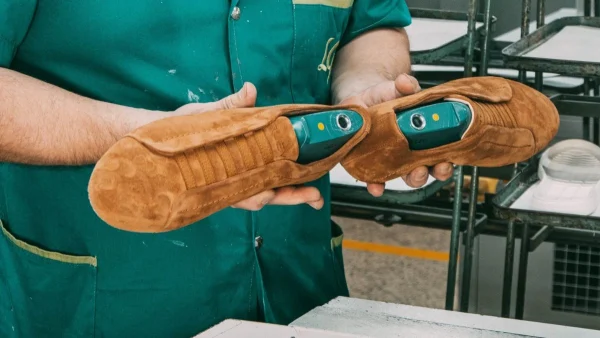
This includes more than saying that the product should be “high quality”. The manufacturer needs clear criteria to understand what must be checked, approved and controlled.
Quality requirements may include:
- Material consistency
- Stitching standards
- Bonding strength
- Finishing expectations
- Colour tolerance
- Packaging requirements
- Performance testing needs
Approval criteria should also be defined. Brands should clarify who approves samples, how feedback will be shared and what must be resolved before moving to production.
This is where a footwear quality control checklist becomes useful. It helps both the brand and manufacturer evaluate the product against clear standards before scaling.
Quality expectations should be realistic and aligned with product positioning. A premium product may require more detailed finishing and stricter inspection criteria than an entry-level product.
For brands preparing to scale, quality validation should happen before production, not after problems appear.
It is also important to consider recognised standards. ISO/TC 216 focuses on standardisation of test methods, terminology and performance requirements for footwear and components, which can support broader understanding of footwear testing and quality requirements. ISO/TC 216 Footwear
Timeline, budget and commercial expectations
Timelines and budgets should be addressed clearly in the footwear production briefing.
Brands should communicate:
- Target launch date
- Sampling deadlines
- Production deadlines
- Budget expectations
- Target price positioning
- Retail or wholesale goals
This information helps the manufacturer assess whether the project is realistic within the available timeframe and budget.
Unrealistic deadlines are one of the most common sources of tension between brands and manufacturers. Footwear development requires time for sourcing, sampling, testing, corrections and production preparation.
A rushed process can increase the risk of mistakes, especially when materials, fit or construction details have not been fully validated.
Budget expectations also matter. A product brief should not only describe the ideal product, but also consider the commercial reality behind it.
If the target price is too low for the requested materials or construction method, the manufacturer can suggest alternatives. But this is only possible when budget expectations are shared early.
Common mistakes in footwear production briefing
Even experienced brands can make briefing mistakes that affect development and production.
Common mistakes include:
- Providing only visual references without technical details
- Leaving materials undefined
- Not clarifying fit expectations
- Requesting too many variations too early
- Ignoring MOQ and production planning
- Setting unrealistic timelines
- Not defining approval responsibilities
These issues create uncertainty and can lead to unnecessary development rounds.
A vague briefing may seem faster at the beginning, but it usually creates more work later. The manufacturer needs to ask more questions, sourcing decisions become slower and sample corrections may multiply.
Clear communication is not about making the process rigid. It is about creating a shared reference point that allows both teams to work efficiently.
This article is designed to complement broader guidance on common mistakes brands make when starting footwear production in Europe, with a more specific focus on what should be prepared before working with a manufacturer.
Footwear production briefing checklist
Before contacting or starting work with a manufacturer, brands should prepare the following information:
- Product concept – category, target market and positioning
- Design references – sketches, moodboards or reference images
- Technical specifications – measurements, details and tech pack if available
- Materials – preferred upper, lining, sole and components
- Construction method – preferred method or performance expectations
- Fit and sizing – size range, fit preference and target market
- Quantity expectations – models, colours, sizes and MOQ expectations
- Quality criteria – finishing, durability and approval requirements
- Timeline – sampling, launch and production deadlines
- Budget and target price – commercial expectations and constraints
- Packaging needs – boxes, labels, bags or branding elements
- Approval process – who validates samples and gives final approval
Esta footwear production briefing checklist gives manufacturers the information they need to assess the project accurately and guide brands through the next steps.
It also helps brands identify gaps before production begins. If key information is missing, it is better to resolve it early rather than during sampling or manufacturing.
Perguntas Frequentes
What is a footwear production briefing?
A footwear production briefing is a structured document that explains what a brand wants to develop, including design, materials, construction, sizing, quantity, quality and timeline requirements.
Why is a production briefing important in footwear manufacturing?
It helps manufacturers understand the project clearly, estimate costs more accurately, reduce errors and avoid delays during sampling and production.
What should brands include in a footwear production briefing?
Brands should include product references, technical specifications, materials, construction preferences, sizing expectations, MOQ, timelines, budget and quality criteria.
Can a manufacturer help define the briefing?
Yes. Experienced manufacturers can help refine technical details, suggest material alternatives and identify potential risks before production starts.
Is a tech pack the same as a production briefing?
No. A tech pack is usually part of the briefing, but a complete production briefing also includes commercial, quality, quantity and timeline expectations.
Conclusão
A complete footwear production briefing gives brands and manufacturers a shared foundation before development and production begin.
By defining product specifications, materials, construction methods, fit expectations, MOQ, quality criteria and timelines, brands reduce uncertainty and improve the efficiency of the manufacturing process.
Preparation does not remove the need for collaboration. Instead, it makes collaboration more productive by giving both teams a clear starting point.
Como um fabricante de calçado em Portugal, LG Shoes supports brands through development, sourcing, prototyping and production with a structured and collaborative approach.


 Portuguese

