
TLDR
Starting footwear production in Europe can offer brands strong advantages in quality, flexibility, and supply chain reliability. However, many projects face avoidable problems because brands underestimate technical development, choose manufacturers based only on price, or fail to align expectations early. Understanding the most common mistakes in calçado production in Europe helps brands reduce delays, control costs, and build stronger long-term manufacturing partnerships.
Why brands need a clearer start in footwear production in Europe
Calçado produção in Europe offers clear advantages for brands that value quality, proximity, technical know-how, and more reliable communication. This is one reason why working with a Portuguese shoe manufacturer has become a strategic choice. For many companies, producing in Europe is not only a sourcing decision but also a brand positioning choice.
However, starting a new manufacturing project in Europe is rarely as simple as selecting a factory and sending a design. The earliest decisions often determine whether a project moves forward efficiently or becomes delayed by technical issues, unclear expectations, and avoidable cost increases.
Many brands entering footwear production in Europe make similar mistakes. Some focus too heavily on price, others overlook development complexity, and some underestimate how important technical clarity and communication are from the start. These issues can affect sampling, material sourcing, production planning, and final product consistency.
Understanding these mistakes early helps brands make more informed decisions and build a stronger foundation for long-term footwear manufacturing success.
Índice de Conteúdos
- Why early decisions matter in footwear production in Europe
- Choosing a manufacturer based only on price
- Starting without clear technical specifications
- Underestimating development and sampling time
- Ignoring MOQ, lead times and production constraints
- Weak communication during the development phase
- Failing to align quality expectations early
- Treating the manufacturer as a supplier instead of a partner
- How brands can avoid these common mistakes
- Perguntas frequentes
1. Why early decisions matter in footwear production in Europe
In footwear production in Europe, the beginning of a project carries more weight than many brands expect. The first phase is not just administrative. It sets the tone for technical development, communication standards, cost expectations, production feasibility, and long-term collaboration.
European footwear manufacturers are often chosen because they offer higher manufacturing standards, better quality control, and stronger development support. But these strengths deliver the best results only when brands also approach the project with clarity and realistic expectations. Portugal continues to play an important role in this landscape, as highlighted by APICCAPS.
When the early phase is handled poorly, mistakes tend to expand across the rest of the process. A vague brief can lead to wrong prototypes. Unclear material expectations can delay sourcing. Misaligned timing can disrupt launch plans. In many cases, the actual problem is not the factory itself but the lack of alignment at the start.
For that reason, brands should view the start of footwear production in Europe as a strategic phase, not just an operational one. Strong preparation reduces friction, improves decision-making, and creates a better foundation for product quality and efficiency.
2. Choosing a manufacturer based only on price
One of the most common mistakes brands make when starting footwear production in Europe is choosing a manufacturer based only on price. Cost matters, of course, but price alone rarely reflects the full value of a manufacturing partnership.
A lower quotation may look attractive at first, especially for a brand trying to control margins. However, if that price comes with weaker communication, limited technical support, inconsistent quality, or reduced flexibility, the hidden costs may become much higher later. Delays, repeated sampling, material substitutions, and production errors can quickly outweigh any initial savings.
In European footwear manufacturing, value often comes from a combination of factors such as technical expertise, responsiveness, development capability, production consistency, and reliability. Brands that evaluate only the number on the quotation risk overlooking the elements that actually protect timelines and product quality.
A better approach is to compare manufacturers based on the total production context. This includes their ability to understand the product, manage development professionally, communicate clearly, and support the brand over time. In many cases, the strongest manufacturing partner is not the cheapest option, but the one most capable of delivering consistent results with fewer operational risks.
3. Starting without clear technical specifications
Another major issue in footwear production in Europe is starting development without clear technical specifications. Some brands approach manufacturers with moodboards, rough sketches, or visual references but without enough detail to support accurate development.
This creates uncertainty from the beginning. A manufacturer may understand the aesthetic direction, but footwear development also depends on precise information about construction, materials, components, fit expectations, outsole type, finishing details, packaging requirements, and intended positioning.
When these technical elements are incomplete or unclear, manufacturers are forced to interpret too much. That increases the risk of misunderstanding during sampling and often leads to extra revisions, additional time, and frustration on both sides.
Clear technical specifications help the manufacturer evaluate feasibility more accurately and give more realistic feedback from the start. They also make it easier to estimate lead times, identify material constraints, and define a more stable sampling process.
For brands entering European footwear production, technical clarity is not a luxury. It is a basic requirement for efficient development. Even if some aspects still need refinement, providing a structured technical brief significantly improves the quality of communication and the consistency of decision-making.
4. Underestimating development and sampling time
Many brands underestimate how much time footwear development actually requires. This is especially common when a company is new to footwear production in Europe or used to working with simplified timelines.
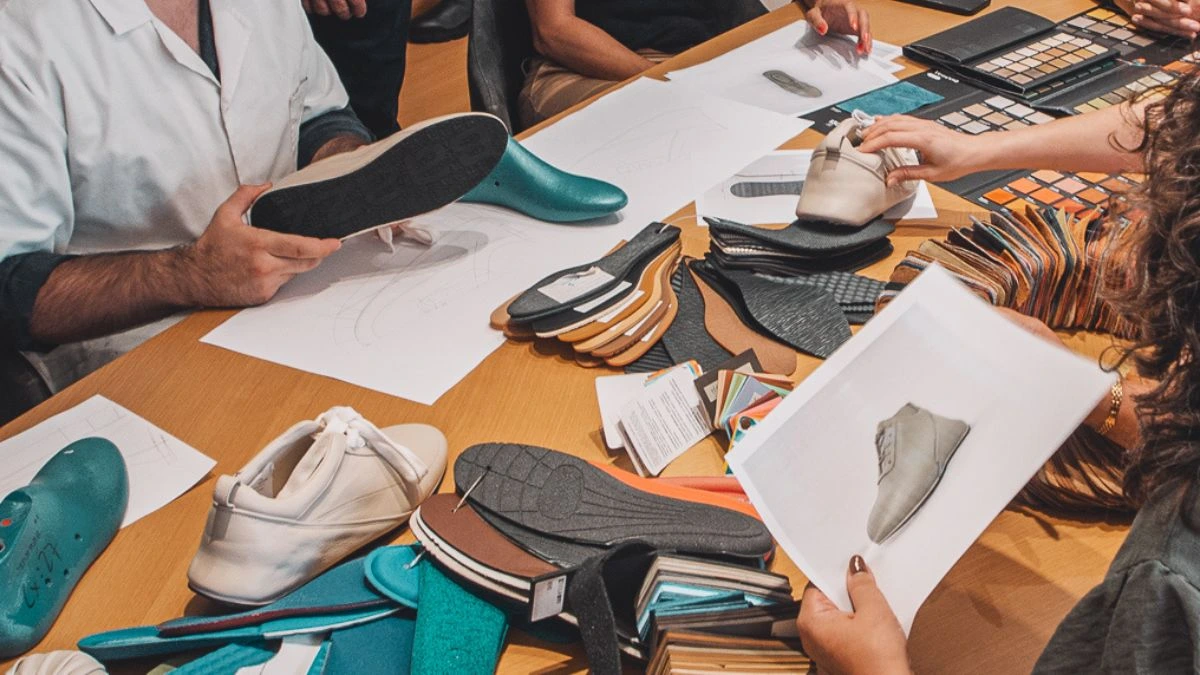
Development and sampling are not minor steps before production. They are essential phases where the product is tested, adjusted, and improved. This includes pattern making, material sourcing, component selection, construction validation, fitting corrections, and design refinements. Even when the initial concept is strong, several rounds of feedback may still be necessary before the product is ready for manufacturing.
Brands that underestimate this stage often create pressure too early in the process. They may request unrealistic launch dates or expect final samples before important technical decisions have been resolved. This usually creates tension and can lead to rushed approvals or weak product choices.
In footwear production in Europe, understanding what to expect from a Portuguese shoe manufacturer helps brands approach development more realistically, because sample quality directly affects production quality. Brands benefit more from a realistic timeline and a disciplined approval process than from trying to accelerate every step.
A more professional mindset is to treat development time as part of risk reduction. Every adjustment made early can prevent larger issues later in production, logistics, or market performance.
5. Ignoring MOQ, lead times and production constraints
Another mistake brands make is failing to understand how MOQ, lead times, and production constraints affect planning. In footwear production in Europe, these factors are central to project viability and should be discussed early.
Minimum order quantities depend on several variables, including the construction type, material choices, component sourcing, and factory setup. Some brands assume European manufacturers will automatically offer very low quantities with full flexibility, but that is not always realistic. Certain materials or sole units may require minimum volumes from suppliers, even when the factory itself is open to smaller runs.
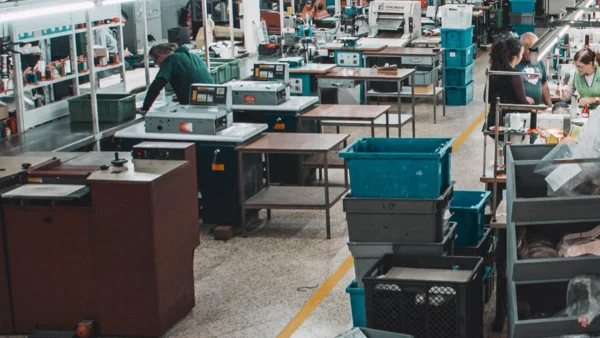
Lead times are also influenced by more than factory capacity. Sample approval speed, raw material availability, holiday periods, and change requests all affect the production calendar. Brands that ignore these realities often create internal timelines that are difficult to meet.
Understanding these constraints does not weaken a project. It improves planning. When brands ask the right questions early, they can define more realistic launch windows, avoid last-minute pressure, and make sourcing decisions that fit both their budget and production goals.
In practice, strong manufacturing partnerships are often built on transparency around limitations as much as capabilities. A reliable manufacturer should explain what is possible, what may create delays, and how different choices can affect timing and costs.
6. Weak communication during the development phase
Communication problems are one of the fastest ways to create friction in footwear production in Europe. Even when the product concept is promising, weak communication during development can damage timing, quality, and trust.
This usually happens when feedback is vague, fragmented, or delayed. For example, a brand may send comments that are too broad, approve samples without fully reviewing them, or raise major changes after several steps have already moved forward. In other cases, important details remain spread across multiple emails, messages, and files without a clear approval structure.
For manufacturers, this creates uncertainty and slows down decision-making. For brands, it increases the likelihood of mistakes, duplicated work, and misaligned expectations. Over time, the project becomes harder to manage because no one is fully confident about the latest approved direction.
Strong communication in European footwear manufacturing should be timely, structured, and specific. Feedback should clearly identify what needs adjustment, what is approved, and what remains under discussion. This is particularly important when working on private label shoes, custom footwear development, or medium-volume collections where each decision affects the next stage.
Good communication is not just about being responsive. It is about building a workflow that supports clarity and reduces avoidable mistakes throughout development.
7. Failing to align quality expectations early
Quality is one of the main reasons brands choose footwear production in Europe. However, some projects run into problems because quality expectations are assumed rather than defined.
A brand may say it wants premium quality, but that phrase can mean different things depending on the product category, price point, materials, finishing standards, and target market. Without a shared understanding of what quality means in practice, the manufacturer may interpret the brief differently from the brand.
This issue often appears in details such as stitching consistency, upper finishing, edge painting, outsole appearance, leather selection, lining performance, fit feel, or packaging presentation. Small differences in expectation can lead to major dissatisfaction if they are not discussed early.
To avoid this, brands should align quality expectations during the development phase, not after bulk production begins. Sample reviews should be detailed. Material choices should match the intended positioning. Tolerances and finishing priorities should be clear. If there are reference products, they should be shared and discussed in context.
When quality expectations are aligned early, manufacturers can make better technical decisions and brands can approve with greater confidence throughout the footwear production process. This reduces misunderstandings and improves consistency from sampling to final delivery.
8. Treating the manufacturer as a supplier instead of a partner
A common strategic mistake is treating the manufacturer as a simple supplier rather than a development and production partner. In footwear production in Europe, this mindset can limit the value a brand receives from the relationship.
A transactional approach often focuses only on orders, prices, and deadlines. It leaves little room for collaboration, technical feedback, or process improvement. As a result, the brand may miss opportunities to improve product quality, simplify development, or avoid avoidable production risks.
By contrast, the best manufacturing relationships are based on shared goals, transparency, and practical cooperation. A strong fabricante de calçado can contribute insights about construction methods, material suitability, component performance, production feasibility, and timeline management. These contributions become especially valuable when a brand is still refining its product direction or trying to scale responsibly.
In many successful European footwear partnerships, the manufacturer is not just executing instructions. It is actively supporting the brand’s product development and helping improve outcomes over time. This long-term view creates operational advantages, stronger communication, and more reliable collections.
Brands that want better results should not ask only what the factory can produce. They should also ask how the manufacturer thinks, communicates, and supports the development process.
9. How brands can avoid these common mistakes
The good news is that most early problems in footwear production in Europe are avoidable. They usually come from gaps in preparation, communication, or expectation management rather than from the production model itself.
Brands can reduce risk by approaching the project with a more structured mindset. This means preparing a clear technical brief, asking realistic questions about MOQ and lead times, discussing quality expectations early, and giving specific feedback during sampling. It also means evaluating manufacturers on more than price alone.
Another important step is choosing a manufacturer that offers both technical capability and communication reliability. Brands benefit most when the factory can explain constraints clearly, respond with realistic guidance, and support development with practical expertise.
European footwear manufacturing can be a strong strategic choice for brands seeking quality, flexibility, and long-term consistency. But success depends on making better decisions before production starts, not only after problems appear.
A stronger start usually leads to smoother development, more efficient production, and a better long-term relationship between brand and manufacturer.
10. Frequently asked questions
Why do brands face problems when starting footwear production in Europe?
Many early problems come from unclear specifications, unrealistic timing, weak communication, or choosing a manufacturer based only on price. In most cases, the issue is not Europe itself, but how the project is prepared and managed from the beginning.
How can brands reduce risk when choosing a European footwear manufacturer?
Brands can reduce risk by evaluating manufacturers based on technical capability, communication quality, flexibility, development support, and production reliability. Asking detailed questions early helps create more realistic expectations and better decisions.
Are lead times in footwear production in Europe always predictable?
Not completely. Lead times depend on sample approvals, material availability, production scheduling, and the complexity of the product. Clear planning and timely communication help make timelines more stable, but some variables always need to be managed carefully.
Why is communication so important in footwear development?
Because development decisions affect every stage that follows. Clear communication helps avoid misunderstandings, speeds up approvals, and improves alignment between brand expectations and factory execution.
A stronger start leads to better footwear production results
Brands that begin footwear production in Europe with clearer expectations, better preparation, and stronger communication usually achieve better outcomes. The earliest decisions influence quality, efficiency, and the overall strength of the manufacturing relationship.
Avoiding common mistakes does not require perfection. It requires structure, realistic planning, and a willingness to treat development as a strategic phase. For brands looking to build reliable footwear manufacturing partnerships in Europe, that approach makes a meaningful difference.
Nota editorial
This article is based on common operational challenges and best practices observed in European footwear manufacturing projects involving international brands, development teams, and production partners. It is intended to help brands make more informed sourcing and product development decisions when starting footwear production in Europe.


 Portuguese

