
TLDR
Selecting the right Portuguese shoe manufacturer is a critical step before starting footwear production. Brands evaluate technical capabilities, prototype development processes, production capacity, and compliance standards before committing to a partnership.
Industry events such as Lineapelle often initiate this evaluation, allowing brands to assess manufacturing expertise before entering long-term production collaborations.
Why evaluating a footwear manufacturer is a strategic decision
Selecting a Portuguese shoe manufacturer is one of the most important decisions calçado brands make before launching a new collection. Beyond design and materials, the manufacturing partner ultimately determines product quality, produção reliability, and the ability to scale future collections.
Before committing to production, brands typically evaluate several critical factors, including technical capabilities, prototype development processes, manufacturing flexibility, and compliance with international sustainability standards.
For many companies, the evaluation process begins at industry events where manufacturers present their expertise and development capabilities. As explained in Selecting a European footwear manufacturer: why Lineapelle still matters, these first interactions often initiate a structured supplier assessment that continues through sampling, technical discussions, and long-term partnership planning.
Índice de Conteúdos
- Why brands choose a Portuguese shoe manufacturer
- Technical capabilities brands evaluate first
- Prototype development and sampling process
- Production capacity and flexibility
- Compliance, sustainability and risk management
- Communication and long-term partnership
- Final considerations when selecting a Portuguese shoe manufacturer
- Perguntas frequentes
- About LG Shoes
- Nota editorial
1. Why brands choose a Portuguese shoe manufacturer
Portugal has become one of Europe’s most respected footwear manufacturing locations. The country combines traditional craftsmanship with advanced production technology, making it attractive for international brands seeking reliable European partners.
Several factors contribute to Portugal’s reputation as a footwear manufacturing hub:
- skilled workforce specialised in leather footwear production
- strong network of material suppliers and component manufacturers
- flexible production structures capable of handling small and medium batches
- proximity to European markets and logistics networks
The Portuguese footwear industry has invested heavily in innovation, sustainability, and internationalisation. According to the World Footwear Yearbook, Europe remains one of the most technologically advanced footwear production regions globally.
For brands evaluating a Portuguese shoe manufacturer, these industry strengths reduce operational risk while maintaining high product quality standards.
2. Technical capabilities brands evaluate first
When brands begin evaluating a potential footwear manufacturing partner, the first focus is usually technical capability. This assessment determines whether the manufacturer can transform design concepts into production-ready footwear.
Key elements brands typically evaluate include:
- understanding of different shoe construction methods
- experience with leather footwear manufacturing
- pattern engineering and technical development
- material sourcing capabilities
- finishing quality and durability standards
Manufacturers must demonstrate a structured development workflow capable of supporting both creative design teams and production planning.
Many brands also review technical information about construction methods before starting development. For example, LG Shoes provides a detailed overview of different footwear construction methods used in modern footwear manufacturing.
Understanding these techniques allows brands to align design expectations with manufacturing feasibility.
3. Prototype development and sampling process
Before full production begins, brands typically enter a prototype development phase. This stage allows design teams and manufacturers to test materials, construction techniques, and fit adjustments.
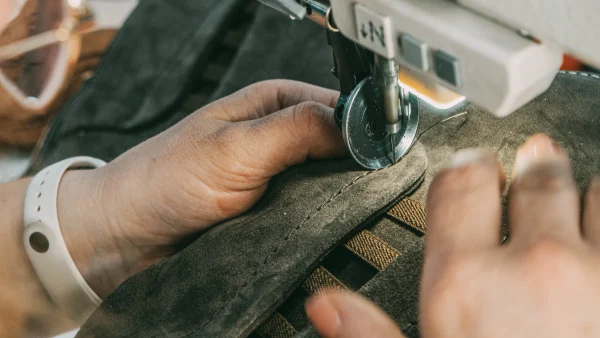
The prototype development process usually includes:
- technical pattern creation
- material selection and sourcing
- initial sample production
- fit adjustments and design refinements
- performance testing
A structured sampling process helps identify potential production issues early. Manufacturers that maintain strong communication during this stage are often preferred by international brands.
Prototype development also reveals the manufacturer’s ability to translate creative ideas into manufacturable footwear products. Brands pay close attention to sample quality, stitching accuracy, finishing consistency, and comfort.
This stage plays a decisive role in determining whether the partnership moves forward into production planning.
4. Production capacity and flexibility
Another critical factor in supplier evaluation is production capacity. Brands must ensure the manufacturer can support their expected order volumes without compromising quality or delivery schedules.
However, capacity alone is not enough. Many modern footwear brands require production partners capable of flexible manufacturing.
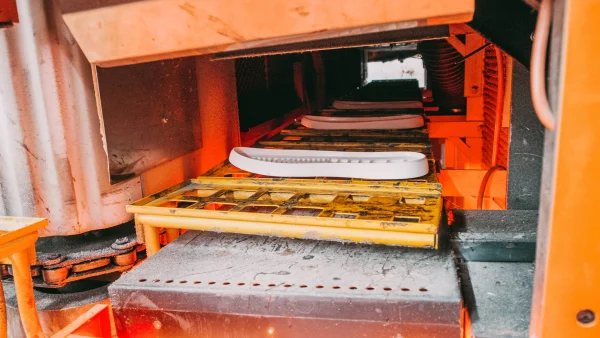
This may include:
- small batch footwear production
- seasonal collection launches
- private label footwear development
- scalable production planning
European manufacturers, particularly in Portugal, are often valued for their ability to handle medium production volumes with high quality control.
Unlike large offshore factories focused exclusively on high-volume production, Portuguese manufacturers frequently offer a balance between flexibility and industrial capability.
This makes them attractive partners for emerging brands as well as established fashion companies.
5. Compliance, sustainability and risk management
In recent years, compliance and sustainability have become essential elements of supplier evaluation.
Brands must ensure that manufacturing partners comply with international standards related to:
- labour practices
- environmental impact
- supply chain transparency
- product safety regulations
Many manufacturers implement environmental management systems aligned with internationally recognised frameworks such as ISO 14001.
Compliance certifications and structured auditing processes help brands reduce regulatory risk and strengthen supply chain transparency.
Sustainability has also become an important competitive factor in the footwear industry. Manufacturers that integrate responsible material sourcing, waste reduction strategies, and environmental management practices are often prioritised by international buyers.
6. Communication and long-term partnership potential
Beyond technical capabilities and compliance standards, brands also evaluate communication quality when selecting a manufacturing partner.
Clear communication is essential throughout the development and production process.
Brands typically evaluate:
- response time and clarity in technical discussions
- ability to explain manufacturing constraints
- transparency in production planning
- willingness to collaborate on design improvements
A manufacturer that communicates clearly during the early stages of development often demonstrates stronger operational maturity.
Over time, what begins as a development project can evolve into a long-term partnership focused on continuous product improvement and collaborative growth.
Final considerations when selecting a Portuguese shoe manufacturer
Selecting a Portuguese shoe manufacturer requires a structured evaluation process that goes far beyond reviewing product samples. Brands must assess technical capabilities, prototype development workflows, production flexibility, compliance standards, and communication practices before committing to a manufacturing partnership.
Industry events often represent the first step in this evaluation journey. For many international brands, trade fairs such as Lineapelle provide an opportunity to meet manufacturers, discuss development processes, and initiate early supplier assessment before moving into sampling and technical discussions.
Portugal continues to stand out as one of the most reliable locations for European footwear production. Its combination of skilled craftsmanship, strong supplier networks, and flexible manufacturing capabilities allows brands to maintain quality while managing production risk.
For footwear brands seeking long-term manufacturing stability in Europe, choosing the right Portuguese shoe manufacturer is not only a sourcing decision but a strategic partnership that supports sustainable growth and product consistency over time.
Perguntas frequentes
Why do brands choose Portuguese shoe manufacturers?
Portugal is known for its skilled workforce, high craftsmanship standards, and strong footwear manufacturing ecosystem. These factors allow brands to maintain product quality while benefiting from European production reliability.
What should brands evaluate before starting footwear production?
Brands typically evaluate technical capabilities, sampling processes, production capacity, compliance standards, and communication efficiency before starting production.
Can Portuguese manufacturers support small production runs?
Yes. Many Portuguese footwear manufacturers specialise in flexible production structures capable of supporting small and medium production volumes.
How long does footwear prototype development usually take?
Prototype development timelines vary depending on design complexity and material sourcing. Initial samples are typically produced within several weeks after technical specifications are finalised.
About LG Shoes
LG Shoes is a Portuguese fabricante de calçado supporting international brands across Europe and the United States. The company works with fashion and lifestyle brands looking for reliable European production partners capable of transforming design concepts into high-quality finished products.
With experience in private label production, prototype development, and leather footwear manufacturing, LG Shoes combines traditional craftsmanship with modern manufacturing processes to support long-term partnerships and consistent product quality.
Connect with LG Shoes:
Nota editorial
This article reflects common supplier evaluation practices within the European footwear industry and is intended to help brands understand how manufacturing partnerships are typically established before production begins.


 Portuguese

