

Key takeaways for buyers and product teams
Choosing a footwear manufacturer Portugal offers is not simply a matter of cost or capacity. For brands and agents sourcing in Europe, trade fairs such as Lineapelle play a strategic role in evaluating manufacturers, understanding technical capabilities, and reducing production risk. This article explores why shoe trade fairs matter in footwear sourcing, what decision-makers should consider when selecting a manufacturing partner in Portugal, and how experienced manufacturers like LG Shoes use international fairs to support long-term, reliable collaborations.
Choosing a footwear manufacturer is a strategic business decision
Selecting a footwear manufacturer in Portugal, based is one of the most critical decisions a brand or agent will make. For companies searching for a footwear manufacturer Portugal can offer a unique combination of technical expertise, flexibility, and manufacturing reliability. It directly affects product quality, development timelines, scalability, compliance, and ultimately brand reputation. While pricing and lead times are often the first comparison points, experienced sourcing professionals understand that long-term success depends on much broader strategic alignment.
This is particularly relevant when sourcing within Europe, where manufacturing is valued not only for craftsmanship, but also for predictability, transparency, and ethical production standards. Choosing a manufacturing partner in Portugal means engaging with a production ecosystem known for technical expertise, flexibility, and close collaboration throughout the development process.
In this context, trade fairs become more than industry events. They act as decision-support environments where sourcing choices are informed by real exposure to materials, processes, and manufacturing culture rather than by sales messaging alone.
Table of contents
- Why shoe trade fairs matter in footwear sourcing
- What brands should evaluate when choosing a footwear manufacturer
- How trade fairs reduce sourcing and production riskisk
- What brands and agents really look for at international footwear fairs
- Why Portugal stands out in European footwear manufacturing
- How Lineapelle supports better manufacturing decisions
- How LG Shoes uses trade fairs to support long-term partnerships
- Frequently asked questions about footwear manufacturing and trade fairs
- How should brands choose a footwear manufacturer in Portugal?
- Are trade fairs still relevant for footwear sourcing?
- What should brands and agents focus on when meeting manufacturers at trade fairs?
- What does OEM footwear mean in manufacturing partnerships?
- How do trade fairs help reduce production risk?
- When should a manufacturer be involved in the development process?
- Why is Portugal considered a reliable sourcing location for footwear?
- How do long-term partnerships benefit footwear brands?
- Editorial note
1. Why shoe trade fairs matter in footwear sourcing
Shoe trade fairs are often perceived as trend-focused or promotional. In practice, for professional buyers, agents, and sourcing managers, they function as strategic checkpoints within the footwear supply chain. For many international buyers, identifying a footwear manufacturer Portugal represents a key step in reducing sourcing uncertainty.
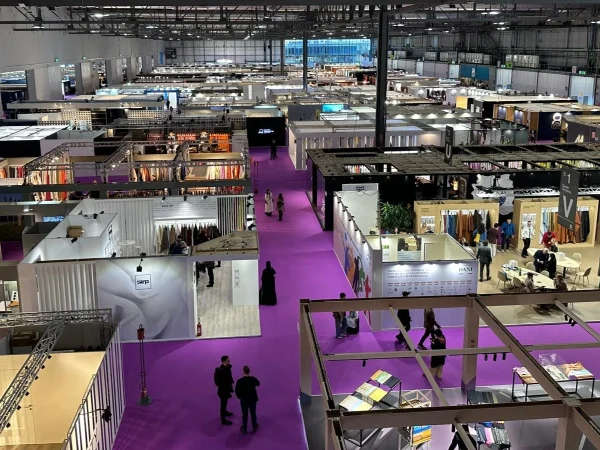
Trade fairs allow decision-makers to:
- observe material and component innovation
- understand shifts in manufacturing techniques
- assess how manufacturers position themselves within the industry
- validate credibility through consistent presence and engagement
Unlike digital research or remote outreach, trade fairs provide immediate industrial context. They offer insight into how footwear manufacturers communicate, how they approach development challenges, and how they position themselves as long-term production partners rather than short-term suppliers.
This context is especially valuable when evaluating European footwear manufacturing, where development capability, responsiveness, and collaboration often outweigh pure production volume.
2. What brands should evaluate when choosing a footwear manufacturer
Choosing a footwear manufacturer goes beyond comparing prices or production capacity. For brands and agents sourcing in Europe, the focus should be on long-term reliability and alignment with the manufacturer’s technical and operational capabilities.
One of the key aspects to evaluate is technical expertise. This includes experience with different construction methods, material handling, and the ability to translate design concepts into production-ready footwear while identifying potential issues early in the process.
Production flexibility is equally important. Many brands require small to medium production runs, seasonal adjustments, or gradual scaling. Manufacturers that can adapt production planning without compromising quality or timelines offer greater long-term value.
Finally, clear communication and early involvement during development make a significant difference. Transparent feedback, realistic lead times, and collaboration during prototyping help reduce risk and ensure smoother production once orders are confirmed.
3. How trade fairs reduce sourcing and production risk
Evaluating a footwear manufacturer requires reliable information and direct context, something that is often difficult to obtain through online research alone. Trade fairs help reduce sourcing risk by placing brands, agents, material suppliers, and manufacturers within the same professional environment, allowing decisions to be informed by real industry dynamics rather than isolated claims.
By attending international trade fairs, brands can better assess the criteria outlined above, particularly technical capability, production flexibility, and communication style. Conversations held in person often reveal how manufacturers approach development challenges, respond to constraints, and position themselves as long-term production partners rather than short-term suppliers.
Trade fairs also support earlier and more effective alignment between design ambition and production reality. Exposure to materials, components, and manufacturing solutions enables brands to validate feasibility at an early stage, reducing the likelihood of costly changes during prototyping or bulk production.
Ultimately, trade fairs function as risk-reduction checkpoints within the sourcing process. They help brands move from assumption-based decisions to informed evaluations, strengthening manufacturer selection and supporting more predictable, resilient production outcomes.
4. What brands and agents really look for at international footwear fairs
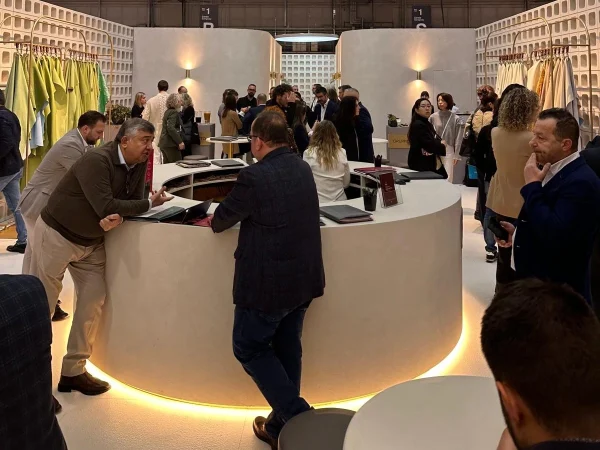
Most experienced brands and agents attending international footwear fairs are not primarily looking for trends. Their focus is on reducing production risk and identifying partners capable of supporting reliable manufacturing over time. For many international buyers, identifying a footwear manufacturer Portugal can offer is closely linked to how manufacturers demonstrate technical capability and communication at trade fairs.
Key considerations typically include:
- whether a manufacturer understands real production constraints,
- how design concepts are translated into scalable production,
- the level of involvement offered during prototyping and development,
- communication clarity and technical transparency.
Footwear fairs provide a unique opportunity to observe these factors indirectly. Manufacturers that approach fairs with a long-term mindset tend to prioritise technical dialogue and relationship building over promotional messaging. For agents, this environment also helps assess whether a manufacturer aligns with the expectations of international brands in terms of quality, organisation, and reliability.
5. Why Portugal stands out in European footwear manufacturing
Portugal has built a strong reputation as a European footwear manufacturing hub, not through scale, but through specialisation, adaptability, and technical depth.
Brands sourcing from footwear manufacturers in Portugal often value:
- expertise across multiple construction methods,
- flexibility for small to medium production runs,
- proximity to European markets,
- high standards of ethical and compliant production,
- collaborative development and prototyping processes.
Portuguese manufacturers are particularly recognised for their ability to work closely with brands from early development stages, supporting material selection, construction validation, and production planning before scaling.
This makes Portugal an attractive sourcing location for private label and OEM footwear projects that require consistency, responsiveness, and long-term manufacturing alignment.
This is why many international brands actively search for a footwear manufacturer in Portugal when aiming to combine technical expertise with European production standards.
6. How Lineapelle supports better manufacturing decisions
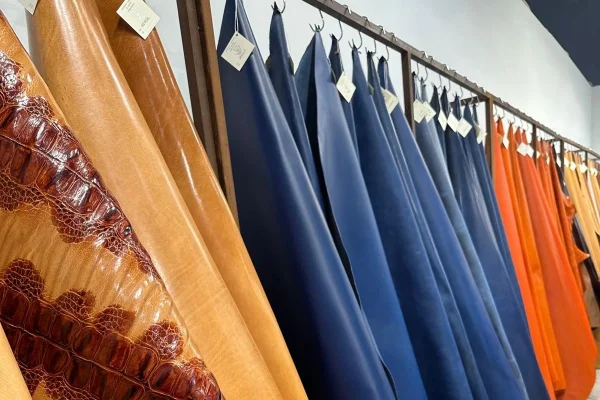
Lineapelle is widely regarded as one of the most influential international trade fairs for leather, materials, components, and innovation within the footwear industry.
Rather than showcasing finished products, Lineapelle provides insight into upstream elements that directly affect manufacturing feasibility and product performance. For sourcing professionals, this makes the fair a valuable environment for understanding how material choices influence durability, complexity, sustainability, and cost structures.
By engaging with material suppliers and manufacturers in the same context, brands and agents are better equipped to align design ambitions with realistic production conditions, supporting more informed and sustainable sourcing decisions.
7. How LG Shoes uses trade fairs to support long-term partnerships
At LG Shoes, trade fairs are approached as part of a broader sourcing and partnership strategy rather than isolated promotional events. Participation in international fairs is used to strengthen technical dialogue, align expectations with brands and agents, and support informed decision-making early in the development process.
By engaging in trade fairs such as Lineapelle, LG Shoes prioritises discussions around materials, construction feasibility, and production constraints. These conversations help ensure that design ambition, material selection, and manufacturing reality are aligned before projects move into prototyping or bulk production, reducing downstream risk.
Trade fairs also provide an opportunity to build relationships over time. Repeated presence allows LG Shoes to engage with partners across multiple seasons, track evolving requirements, and support continuity in communication. This long-term interaction contributes to more efficient collaboration and greater predictability throughout the manufacturing lifecycle.
Rather than focusing on short-term transactions, LG Shoes uses trade fairs to reinforce its role as a technical manufacturing partner. This approach supports stable, transparent partnerships built on shared understanding, technical alignment, and consistent production outcomes.
8. Frequently asked questions about footwear manufacturing and trade fairs
1. How should brands choose a footwear manufacturer in Portugal?
Brands should evaluate footwear manufacturers in Portugal based on technical capability, production flexibility, communication quality, and experience with international markets. Beyond cost, it is essential to assess how early the manufacturer can be involved in development, how clearly constraints are communicated, and how consistently quality is managed across production runs.
2. Are trade fairs still relevant for footwear sourcing?
Yes. Trade fairs remain highly relevant because they provide real industrial context that cannot be replicated through digital research alone. They allow brands and agents to compare manufacturers, materials, and capabilities side by side, supporting more informed sourcing decisions and reducing production risk.
3. What should brands and agents focus on when meeting manufacturers at trade fairs?
Rather than focusing on trends or finished products, brands and agents should prioritise technical discussions. Key topics include construction methods, material behaviour, prototyping processes, production constraints, and communication workflows. These conversations reveal whether a manufacturer is suited for long-term collaboration.
4. What does OEM footwear mean in manufacturing partnerships?
OEM footwear refers to manufacturing models where brands outsource production to a specialised manufacturer that produces footwear according to the brand’s specifications, designs, and quality standards. In OEM footwear projects, the manufacturer focuses on technical execution, production efficiency, and consistency, while the brand retains ownership of design, branding, and market positioning.
5. How do trade fairs help reduce production risk?
Trade fairs reduce production risk by enabling early validation of feasibility. Direct exposure to materials, components, and manufacturing approaches helps align design ambition with production reality before projects move into prototyping or bulk manufacturing, minimising late-stage changes.
6. When should a manufacturer be involved in the development process?
Ideally, manufacturers should be involved as early as possible, particularly during material selection and prototyping. Early involvement improves technical alignment, supports more accurate costing and timelines, and contributes to smoother transitions from development to production.
7. Why is Portugal considered a reliable sourcing location for footwear?
Portugal is recognised for its technical expertise, flexibility, and strong collaboration culture. Footwear manufacturers in Portugal are experienced in small to medium production runs, complex development processes, and working closely with international brands, making the country a dependable sourcing location within Europe. This is why many brands prioritise working with a footwear manufacturer Portugal can reliably support over multiple seasons.
8. How do long-term partnerships benefit footwear brands?
Long-term partnerships improve predictability, efficiency, and product consistency. Manufacturers familiar with a brand’s standards and expectations can anticipate challenges earlier, streamline communication, and support more reliable production outcomes over time.
9. Editorial note
This article was written to support brands, agents, and product teams involved in footwear sourcing and manufacturing decisions. It reflects industry experience, observed sourcing practices, and publicly available information about international trade fairs and European footwear manufacturing. References to trade fairs such as Lineapelle are included for contextual and informational purposes only.
The content does not constitute commercial advice or promotion and is intended to support informed, long-term decision-making within the footwear industry.


 English

