
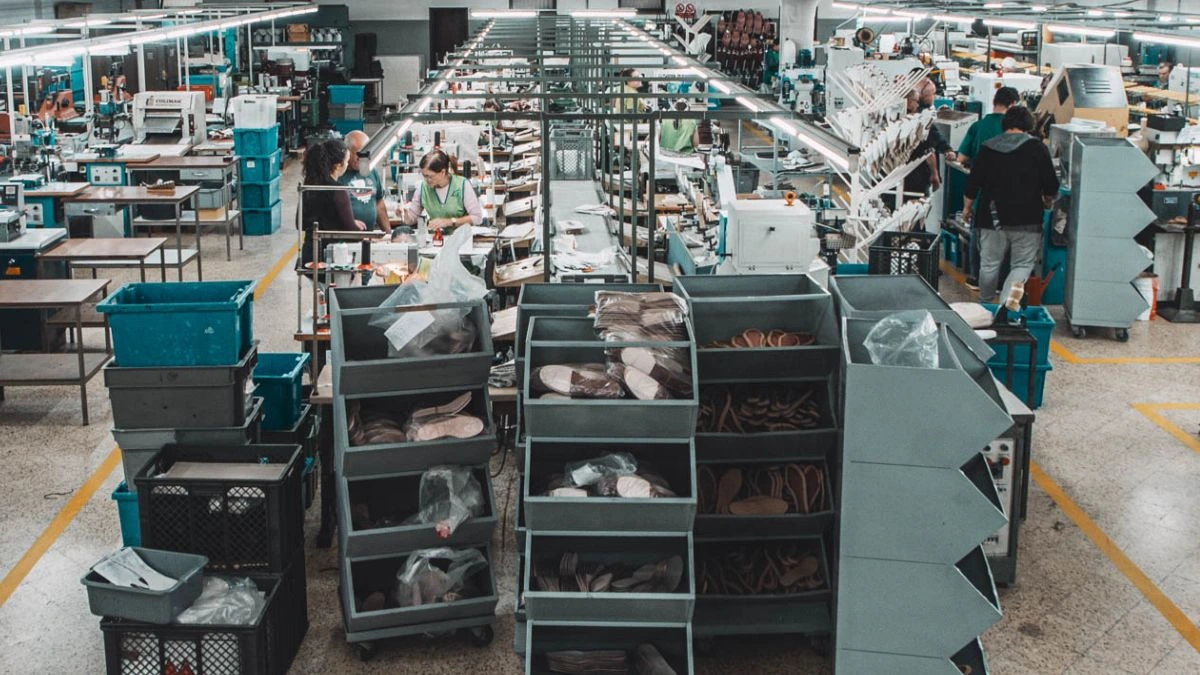
TLDR – footwear MOQ explained: Footwear MOQ (minimum order quantity) defines the minimum number of pairs a manufacturer requires per order. It directly impacts pricing, flexibility, development costs and production planning. Understanding footwear MOQ helps brands reduce risk, optimise budgets and choose the right manufacturing partner.
Footwear MOQ: why it matters more than you think
When brands start working with a footwear manufacturer, understanding footwear MOQ becomes one of the first critical steps.
At first glance, MOQ may seem like a simple operational constraint. In reality, it is one of the most strategic factors in footwear production.
Footwear MOQ influences:
- Production cost per unit
- Material sourcing decisions
- Development feasibility
- Inventory risk
- Supplier relationships
For brands working with a Portuguese shoe manufacturer, understanding footwear MOQ is essential to align expectations and build a sustainable production strategy.
Table of contents
- What is MOQ in footwear manufacturing?
- Why manufacturers set MOQ requirements
- How MOQ affects footwear pricing
- Small batch vs large production: trade-offs
- MOQ and material sourcing constraints
- MOQ during product development
- How brands can manage MOQ strategically
- Choosing the right manufacturer based on MOQ
- FAQs
What is MOQ in footwear manufacturing?
MOQ, or minimum order quantity, refers to the minimum number of units a manufacturer requires to start production.
In footwear, MOQ can vary depending on:
- Type of product
- Construction method
- Material selection
- Supplier requirements
Typical MOQ structures include:
- Pairs per model
- Pairs per colour
- Pairs per size range
For example, a factory may require:
- 300 pairs per model
- 100 pairs per colour
Understanding footwear MOQ structure is critical for planning collections, managing budgets and aligning production expectations.
Why manufacturers set MOQ requirements
Footwear MOQ is not arbitrary. It is directly linked to production efficiency and cost structure.
Manufacturers set MOQ based on:
- Production setup costs
- Material purchasing requirements
- Labour allocation efficiency
- Machine usage optimisation
Each production run involves fixed costs:
- Pattern setup
- Cutting preparation
- Machine calibration20
- Workforce allocation
If the order is too small, these costs cannot be distributed efficiently, making production economically unviable.
This is why footwear MOQ exists as a balance between operational feasibility and cost efficiency.
How MOQ affects footwear pricing
Footwear MOQ has a direct impact on footwear manufacturing costs.
Lower quantities typically mean:
- Higher cost per unit
- Less efficient production
- Higher material waste ratios
Higher quantities allow:
- Better cost distribution
- Improved efficiency
- More competitive pricing
This is closely related to economies of scale, where larger production volumes reduce unit cost.
Footwear MOQ directly influences pricing structure, especially when comparing small batch production with large-scale manufacturing.
However, focusing only on price can be misleading. Lower MOQ can provide strategic advantages, especially for brands prioritising flexibility, testing and market validation.
Small batch vs large production: trade-offs
There is no universal “best MOQ”. The right footwear MOQ depends on brand strategy, positioning and growth stage.
Small batch production advantages:
- Lower inventory risk
- Faster market testing
- Greater flexibility
- Reduced financial exposure
Large production advantages:
- Lower unit cost
- Higher margin potential
- Stronger supplier leverage
- Operational efficiency
This is why many brands explore small batch shoe production in Europe as a strategic entry point before scaling.
MOQ and material sourcing constraints
One of the most overlooked aspects of footwear MOQ is its connection to material sourcing.
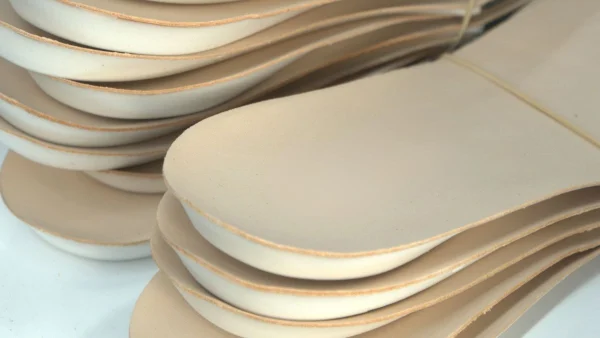
Material suppliers also have their own MOQ requirements:
- Leather suppliers may require minimum hides
- Sole manufacturers require batch quantities
- Hardware suppliers work with bulk orders
This creates a chain effect:
- Material MOQ impacts production MOQ
For example:
- If a leather supplier requires 500 units worth of material, the factory cannot produce only 100 pairs efficiently
This is why footwear material selection plays a key role in defining production feasibility and directly impacts footwear MOQ.
MOQ during product development
Footwear MOQ is not only relevant during production. It also impacts development decisions.
During footwear prototyping and sampling:
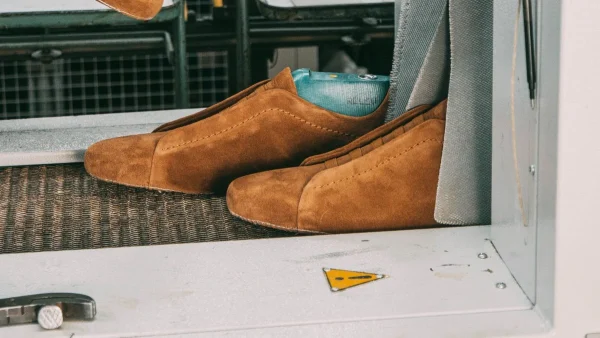
- Materials must be sourced in small quantities
- Alternative materials may be used
- Costs are significantly higher per unit
Development stages include:
- Pattern making
- Sample creation
- Fit testing
- Technical adjustments
Working with an experienced footwear manufacturing partner allows brands to anticipate footwear MOQ constraints and optimise decisions early.
How brands can manage MOQ strategically
Footwear MOQ should not be seen as a limitation, but as a parameter to manage strategically.
Key approaches include:
- Reducing model complexity
- Limiting colour variations
- Consolidating materials
- Planning size distribution carefully
Other effective strategies:
- Start with a core collection
- Test best-selling models first
- Scale gradually based on demand
Brands that manage footwear MOQ strategically improve:
- Cash flow efficiency
- Inventory turnover
- Production scalability
Choosing the right manufacturer based on MOQ
Not all manufacturers offer the same footwear MOQ flexibility.
When selecting a partner, brands should evaluate:
- Minimum order flexibility
- Experience with small batch production
- Material sourcing network
- Development support
European manufacturers, particularly in Portugal, often offer a balance between:
- Quality production
- Flexible footwear MOQ
- Strong supplier networks
This makes them a strategic choice for brands that prioritise long-term growth over short-term cost reduction.
For a broader regulatory and market context, you can refer to the European textile ecosystem overview.
FAQs
What is a typical footwear MOQ?
MOQ varies widely, but typically ranges from 100 to 500 pairs per model, depending on materials, complexity and manufacturer.
Can MOQ be negotiated?
In some cases, yes. Experienced manufacturers may offer flexibility, especially for long-term partnerships or simplified products.
Why is MOQ higher for certain materials?
Because suppliers impose their own minimums, especially for leather, soles and custom components.
Is low MOQ always better?
Not necessarily. While it reduces risk, it usually increases unit cost and may limit production efficiency.
How can startups deal with MOQ?
Start with fewer models, limit variations and work with manufacturers experienced in small batch production.
Conclusion
Footwear MOQ is one of the most important yet misunderstood aspects of footwear manufacturing.
It affects cost, flexibility, material sourcing and production strategy. Understanding footwear MOQ allows brands to balance cost, flexibility and long-term production strategy.
As a footwear manufacturer in Portugal, LG Shoes supports brands with flexible production approaches, technical expertise and strategic guidance throughout development and production.


 English

