
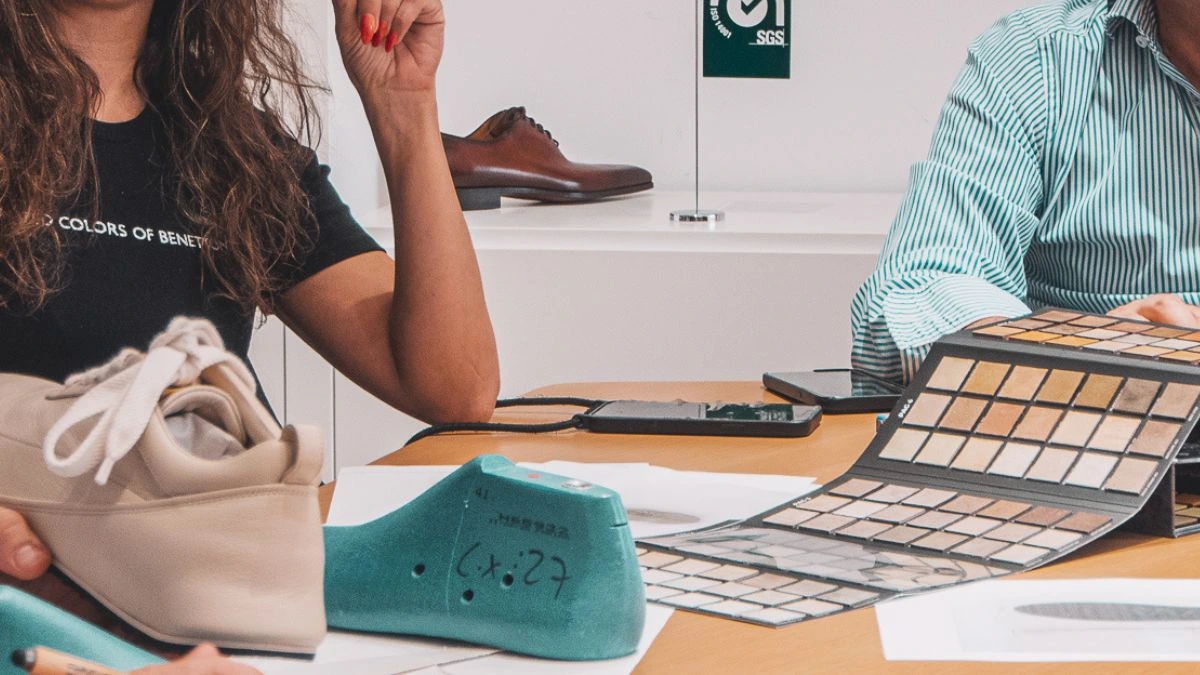
Footwear trends spring summer 2026 are already shaping how brands approach product development, material selection and sourcing decisions for upcoming collections. The brands that prepare earlier usually make better product decisions later. In footwear, trend analysis is not just about following what appears on runways or in fashion editorials. It is about understanding which market signals can be translated into viable products, which ideas deserve prototyping, and which directions are commercially relevant for the next collection.
At LG Shoes, we see how early product thinking influences everything that follows, from material selection and construction decisions to sampling, sourcing decisions, production planning and final market positioning. That is why reviewing footwear trends before the development phase begins is a practical step, not a superficial one.
Executive summary
Spring summer 2026 footwear trends point towards lighter silhouettes, cleaner profiles, more refined casual shapes and a stronger balance between visual simplicity and product comfort. For brands, the real opportunity is not to copy trend aesthetics, but to identify which directions can support a coherent collection, realistic cost structure and reliable production process. Slimmer sneakers, soft structured uppers, versatile loafers, open-back formats and fresh interpretations of classic dress shapes are all relevant signals. The brands that analyse trends early can make better decisions on footwear development, prototyping, material choice, outsole selection and commercial positioning before sampling begins.
Table of contents
- Why trend analysis matters before development starts
- Footwear trends spring summer 2026: key directions for brands
- What trends mean for materials and construction
- How brands can turn trends into commercially relevant products
- When brands should start planning spring summer 2026 development
- Why early collaboration with a footwear manufacturer matters
- Conclusion
- FAQs
Why trend analysis matters before development starts
Many brands make the mistake of treating footwear trends spring summer 2026 as a final-stage design reference. In reality, trend analysis is most useful at the beginning of the process, when the collection brief is still flexible and product priorities can still be shaped. Once a brand moves too quickly into sampling without a clear view of market direction, it becomes harder to adjust silhouettes, components, pricing logic and sourcing strategy.
For a brand working with a Portuguese shoe manufacturer, early trend analysis helps define the right product path. It influences whether a model should be developed with a lighter profile, whether upper materials need more softness or structure, whether the collection should move towards minimal volume, or whether the focus should remain on durable staples with subtle seasonal updates. Those decisions affect prototyping, pattern making, lead times and commercial consistency.
This is also where trend research becomes a business tool. A good trend-led product strategy helps brands avoid overdeveloping ideas that may look current but do not fit their customer base. It also helps them identify the difference between a runway signal and a scalable product opportunity. In other words, trends should support product development, not replace judgment.
That distinction matters even more in European footwear manufacturing, where buyers increasingly expect products to combine design clarity with realistic production logic. A collection that feels relevant but is difficult to source, too costly to sample or too complex to repeat consistently is not a strong collection. The objective is to build products that are trend-aware, commercially grounded and aligned with the brand’s market position.
Footwear trends spring summer 2026: key directions for brands
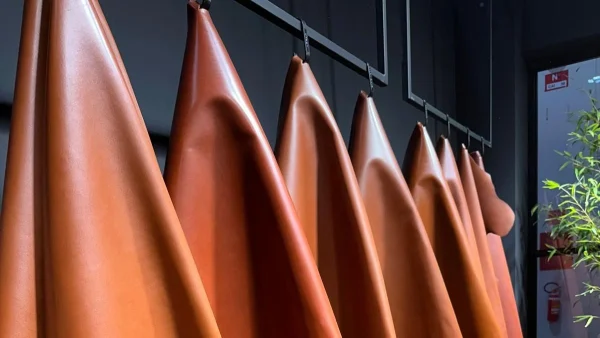
Recent editorial and runway coverage suggests that spring summer 2026 footwear is moving towards a cleaner and more refined visual language, with space for softness, lightness and wearable distinction. Some reports highlight the visibility of white derbies and other polished classic shapes returning in fresher formats, which signals demand for products that feel both familiar and updated. This Vogue feature is a useful reference point for brands tracking those market signals.
Low-profile sneakers and lighter casual silhouettes
One of the most relevant directions is the continued interest in slimmer sneakers. The oversized sole is no longer the only route for casual footwear. More brands are watching low-profile shapes, lighter cupsoles and streamlined uppers that can move easily between lifestyle and smart casual positioning. For product teams, this has implications for outsole height, pattern balance, reinforcement areas and the relationship between comfort and visual agility.
Refined women’s silhouettes and softer dress profiles
Another important direction is the rise of more refined and flexible silhouettes in women’s categories. Soft pumps, open-back loafers, slimmer dress shoes and glove-like uppers point to a preference for elegant products that still feel easy to wear. This matters for shoe design trends because it shifts attention towards upper flexibility, lining choices, toe shape, topline finish and lightweight construction methods.
There is also room for more expressive summer products, especially in categories where open shapes, thong-inspired details or elevated sandal formats can offer stronger seasonal identity. However, from a manufacturing perspective, these are not just aesthetic choices. They affect component count, fitting tests, material performance, durability expectations and tolerance control during assembly. That is why trend direction should always be translated through technical criteria.
Updated classics for men’s and unisex collections
For men’s footwear and unisex product lines, the strongest signals are often less dramatic but still significant. Cleaner lace-up shoes, simplified loafers, fresh light-coloured styles and more versatile smart casual models continue to gain relevance. These directions support brands that want to develop products with broader commercial reach, especially when collections are aimed at buyers who value design refinement without excessive fashion risk.
Across categories, one message is clear: spring summer 2026 is not only about newness. It is about editing the product offer more intelligently. Lighter visual weight, cleaner construction language and stronger alignment between trend, comfort and wearability appear to be central themes.
For many brands, footwear trends spring summer 2026 are less about dramatic novelty and more about refining proven product categories in a commercially relevant way.
What trends mean for materials and construction
Footwear trends spring summer 2026 are not only about visual direction. They also influence material selection, construction choices, outsole development and the overall balance between style, comfort and manufacturability.
Material choices for lighter and cleaner footwear
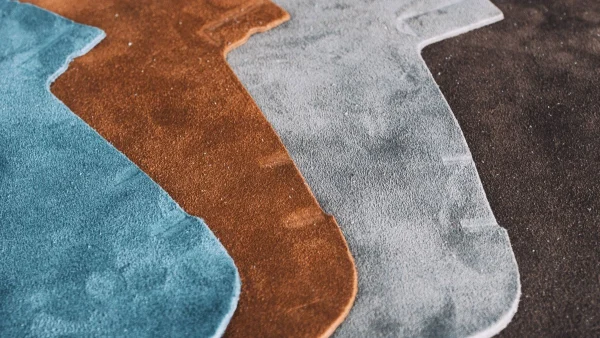
No footwear trend becomes a successful product without the right technical interpretation. This is where many collections either gain strength or lose coherence. Once a direction has been identified, brands need to translate it into practical decisions around footwear materials, construction methods, outsole selection and finishing details.
If the collection direction is lighter and cleaner, the upper materials must support that visual intention. Stiffer materials can work for more structured profiles, but many SS26 concepts will benefit from softer leathers, lighter linings and better flexibility in the forepart area. This does not mean using weaker materials. It means selecting components that help the shoe look refined without compromising performance. That balance is especially important in private label footwear, where buyers expect both aesthetics and consistency.
Construction decisions that affect flexibility and comfort
Relevant construction methods also matter. A trend towards lighter footwear may favour constructions that support flexibility, reduced visual bulk and better wearing comfort. Depending on the category, this could influence choices around strobel, sacchetto-inspired flexibility, cemented builds or other solutions that align product identity with intended use. The right construction method is never only a technical matter. It is part of the product story.
Outsole design, finish and visual balance
Outsole development should be reviewed carefully as well. A slimmer product direction often requires more discipline in outsole selection. Sole thickness, edge profile, weight, traction and finishing all affect how modern or dated a model appears. For some collections, a sole that is technically solid but visually too heavy can completely weaken the design intention. In that sense, tooling and sole profile become key strategic decisions during the development phase.
Colour and finish choices also deserve attention. When silhouettes become cleaner, every detail becomes more visible. Edge paint, stitching quality, material grain, hardware proportion and upper pattern precision all have greater visual impact. This is why quality control standards and sample review processes become even more important in trend-led collections. A simple shoe usually leaves less room to hide inconsistent details.
For brands that want to build a coherent collection, the best approach is not to decide trend, material and construction separately. These choices should evolve together. That is what creates products that feel intentional rather than assembled from disconnected ideas.
How brands can turn trends into commercially relevant products
Choosing trends that fit the target customer
Following footwear trends spring summer 2026 is easy. Selecting the right trends for a brand is much harder. Not every SS26 signal deserves a place in every collection. A trend may generate editorial attention and still be commercially weak for a particular customer base, price architecture or distribution model. That is why the smartest product teams treat trend research as a filter, not as a checklist.
The first question should always be whether the trend fits the brand’s customer. A premium contemporary label, a smart casual private label project and a fashion-driven retail collection will not interpret the same trend in the same way. The second question is whether the trend can be translated into a realistic product with acceptable lead times, stable sourcing and controlled costs. Commercial relevance depends on both market appeal and production viability.
Balancing trend appeal with manufacturing reality
This is particularly important for brands developing in partnership with a shoe manufacturer in Portugal or elsewhere in Europe. Nearer production often brings stronger development support, clearer communication and more structured sampling, but it also means product decisions should be made with precision. Brands benefit more when they come to development with a defined direction, target price logic and category priorities.
Another practical point is range planning. A good seasonal collection rarely needs every product to be highly directional. More often, the most effective strategy is a balanced mix of trend-led models, more stable carry-over products and adaptable commercial references. That mix helps support sales teams, protects margins and reduces the risk of building a collection that is exciting in concept but difficult to place in market.
Creating a collection with commercial balance
Commercial relevance is also linked to buyer expectations. Buyers increasingly look for products that feel current but also easy to understand, easy to merchandise and easy to position within a broader assortment. A design that is too trend-heavy may gain attention but lose practical value. A better approach is often to apply trend through proportion, material update, colour freshness or construction refinement rather than through extreme novelty.
In footwear, the strongest seasonal products are often those that feel new for the customer without feeling risky for the retailer. That principle should guide all trend interpretation.
When brands should start planning spring summer 2026 development
What should be defined before the first sample
Timing has a direct effect on collection quality, especially when brands are planning footwear trends spring summer 2026 into a commercially viable product strategy. Brands that start too late usually compress decisions that should have been spaced properly across briefing, design validation, prototyping, sample correction and sourcing confirmation. When planning spring summer 2026, the earlier stages should focus on market review, trend filtering, product architecture and development priorities.
Before the first sample is requested, brands should already have a preliminary view of target categories, intended price positioning, material direction and technical expectations. This gives development teams a better foundation for creating first prototypes that are not only visually aligned but also realistic in terms of production planning. It also improves communication with the factory because the brief becomes more specific.
Why early planning improves sampling and sourcing
During the next stage, prototyping and sampling should test not just design intent but also fit, material response, comfort, outsole proportion and consistency across size grading. If the trend direction depends on lightness or refined lines, the sample review should be especially strict. Small proportional issues can distort the entire concept.
Early planning also helps with sourcing decisions. Some materials or components may support the desired direction aesthetically but create limitations later in repeatability, minimums or timing. When these questions are explored in advance, the brand has more room to adapt without compromising the entire collection. That is one of the strongest advantages of structured footwear sourcing rather than reactive sourcing.
In practical terms, brands should think of trend planning as the first operational phase of development, not as a separate inspirational exercise. That mindset reduces waste, improves clarity and increases the likelihood of reaching the sample stage with better products.
Why early collaboration with a footwear manufacturer matters
How manufacturers improve early development decisions
The earlier a manufacturer is involved, the more useful the development process becomes. This is especially true when trends have technical implications that are not always obvious at concept stage. A manufacturer can help assess whether a silhouette is viable, whether a sole is proportionally right, whether a material supports the intended shape and whether the chosen construction method matches the desired wear performance.
At LG Shoes, we believe early collaboration improves both speed and decision quality. It allows the conversation to move beyond aesthetics and into the practical framework of prototyping, material compatibility, production reliability and collection planning. That is where trend-led ideas become product realities.
Why technical dialogue reduces development risk
It also helps brands reduce avoidable development errors. A concept may look strong in a moodboard but fail in fit, assembly or cost control. Early technical dialogue makes it easier to identify these risks before they become expensive corrections. For brands building long-term collections, that discipline matters more than fast but unstable development.
Another advantage is stronger alignment between trend interpretation and brand identity. A good manufacturing partner does not simply execute references. The right partner helps shape the product into something more coherent, more manufacturable and more relevant to the target market. That is particularly valuable in footwear prototyping and in private label projects where commercial clarity is essential.
Brands that want to discuss their next collection direction can explore our About Us page, read a related article on Portuguese shoe manufacturing in Europe, or contact our team directly to discuss development and sourcing needs.
Conclusion
Footwear trends spring summer 2026 create real opportunities for brands that are ready to turn market signals into commercially relevant products. The key signals point towards lighter footwear, cleaner design language, refined casual products and stronger integration between comfort and appearance. But trend awareness alone is not enough. What matters is how those signals are translated into commercial collections, technically sound prototypes, appropriate materials and production-ready decisions.
For brands, the smartest move is to start early, define the right level of trend adoption and work closely with a manufacturing partner who understands both design direction and industrial execution. In footwear, successful trend response does not begin at launch. It begins during development.
If your team is preparing the next collection and wants to align trend research with practical manufacturing decisions, visit the LG Shoes homepage or get in touch with us to continue the conversation.
FAQs
What are the main footwear trends for spring summer 2026?
Key spring summer 2026 signals include slimmer sneakers, lighter silhouettes, refined loafers, open-back formats and cleaner classic shapes. The broader direction suggests a market preference for products that combine visual simplicity, comfort and commercial versatility.
How do footwear trends influence product development?
Footwear trends spring summer 2026 affect more than design mood. They influence pattern making, material selection, outsole development, construction methods, sample priorities and pricing logic. The earlier these signals are reviewed, the better brands can guide the development process.
When should brands start planning spring summer 2026 collections?
Brands should begin by reviewing trend and market direction before the sample stage. Early planning helps define collection priorities, reduce development corrections and create a stronger foundation for sourcing and prototyping.
Do all footwear trends make sense for commercial collections?
No. Some trends generate visibility but do not match the brand’s customer, price level or distribution model. The most effective approach is to select the trends that can be translated into wearable, manufacturable and commercially coherent products.
Why is early collaboration with a footwear manufacturer important?
Early collaboration improves technical decision-making. A manufacturing partner can help evaluate materials, construction options, fit, outsole proportion, prototyping risks and production feasibility before development moves too far forward.


 English

