
TLDR
What to expect from a Portuguese shoe manufacturer includes high-quality craftsmanship, flexible production, and strong communication standards.
Brands can expect a structured development process, from initial concept to final production, with a focus on quality control, ethical practices, and long-term collaboration. Portugal is particularly suited for brands looking for reliable European footwear manufacturing with medium to premium positioning.
Why brands need clarity before choosing a Portuguese shoe manufacturer
What to expect from a Portuguese shoe manufacturer is a key question for brands looking to produce footwear in Europe.
For many international brands, choosing a footwear manufacturing partner in Europe is a strategic decision that directly impacts product quality, brand reputation, and supply chain reliability.
Portugal has become one of the most trusted hubs for footwear production, particularly for brands seeking high-quality manufacturing, ethical standards, and flexible production capabilities.
But what exactly should you expect when working with a Portuguese shoe manufacturer?
Understanding the process, communication flow, and operational structure is essential to building a successful and efficient partnership.
Table of contents
- Why Portugal is a strategic choice for footwear production
- The first contact and project evaluation
- Product development and prototyping
- Production planning and manufacturing process
- Quality control and compliance standards
- Communication and project management
- Lead times, MOQ and flexibility
- What to expect from a Portuguese shoe manufacturer in a long-term partnership
- Frequently asked questions
1. Why Portugal is a strategic choice for footwear production
Portugal has built a strong international reputation as highlighted in this analysis of European footwear manufacturing. The country combines decades of craftsmanship with modern production technologies, making it an ideal partner for brands looking for reliability and quality.
Key advantages include:
- Skilled workforce with deep industry know-how
- Strong focus on premium materials such as leather
- Proximity to major European markets
- Compliance with strict EU regulations
- Growing emphasis on sustainable footwear production
According to the APICCAPS, the Portuguese footwear industry exports over 90% of its production, reinforcing its global competitiveness.
2. The first contact and project evaluation
The collaboration typically begins with an initial contact where the brand presents its concept, technical requirements, and expected positioning.
At this stage, understanding what to expect from a Portuguese shoe manufacturer becomes essential, as the factory will evaluate:
- Design feasibility
- Material selection
- Production complexity
- Estimated costs and timelines
This phase is crucial for aligning expectations and ensuring the project is viable from both a technical and commercial perspective.
Clear and structured communication at this stage helps avoid costly adjustments later in the process.
For brands, this initial evaluation is also the right moment to assess the manufacturer’s responsiveness, technical understanding, and ability to provide realistic feedback. A reliable partner will not simply approve every idea, but will explain limitations, suggest alternatives when needed, and help define a production approach that supports both quality and commercial goals.
3. Product development and prototyping
Once the project is approved, the development phase begins. This is where ideas are transformed into tangible prototypes.
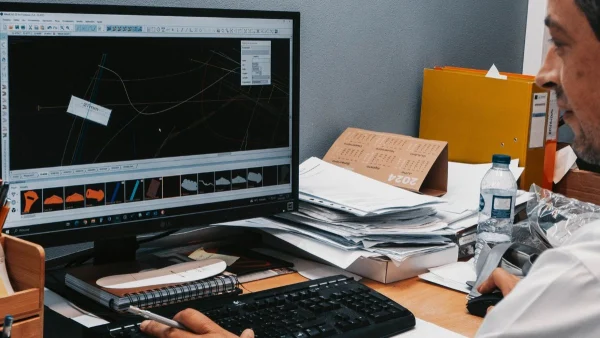
Key steps include:
- Technical drawings and pattern making
- Material sourcing and testing
- Sample production
- Fit and design adjustments
This stage often involves several iterations to achieve the desired result. Portuguese manufacturers are known for their attention to detail and ability to refine products through collaborative feedback.
For brands working on custom shoe manufacturing or private label footwear, this phase is particularly critical.
4. Production planning and manufacturing process
After prototype approval, the project moves into production planning.
This includes:
- Final material confirmation
- Production scheduling
- Resource allocation
- Quality checkpoints definition
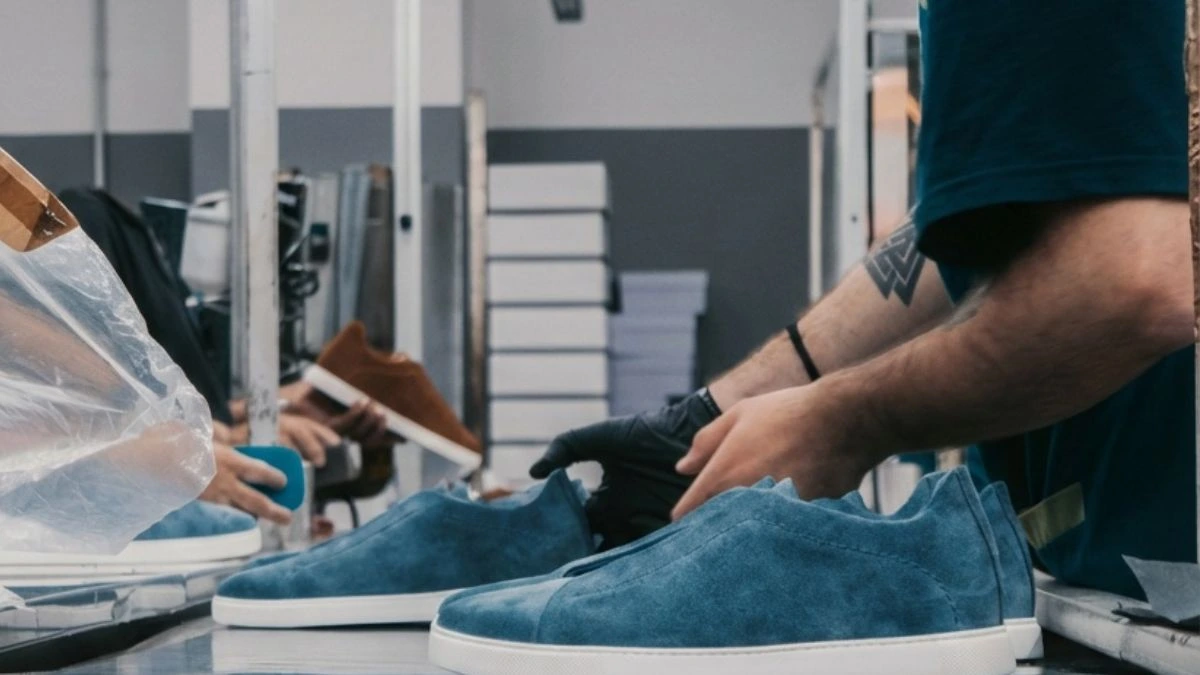
The manufacturing process itself follows a structured workflow, typically including cutting, stitching, assembly, and finishing.
A reliable shoe factory in Portugal ensures consistency across all production stages, maintaining high standards from the first pair to the final delivery.
5. Quality control and compliance standards
Quality control is one of the strongest advantages of working with a Portuguese shoe manufacturer.
Most factories operate under strict European regulations and follow internal quality assurance systems to ensure:
- Material durability
- Consistent sizing and fit
- Finishing precision
- Compliance with safety standards
Additionally, many manufacturers are aligned with international ethical standards, including SMETA certification, which reinforces responsible and transparent production practices.
6. Communication and project management
One of the key differentiators of European footwear manufacturers is the level of communication and project management.
Brands can expect:
- Regular updates throughout development and production
- Direct contact with technical teams
- Clear timelines and milestones
- Fast response times
This transparency is particularly valuable for international clients, especially those based in Germany and the United States, where reliability and structured communication are essential.
7. Lead times, MOQ and flexibility
Lead times and minimum order quantities (MOQ) vary depending on the complexity of the product and materials involved.
However, Portuguese manufacturers are generally known for:
- Competitive lead times within Europe
- Flexibility in small to medium production runs
- Ability to adapt to brand needs
This makes Portugal an attractive option for both established brands and emerging companies looking for flexible footwear production.
These factors are an important part of what to expect from a Portuguese shoe manufacturer when planning production.
In practice, lead times are often influenced not only by factory capacity, but also by the speed of sample approvals, material availability, and the number of changes requested during development. For this reason, brands benefit from approaching production planning with clear calendars, realistic expectations, and an understanding that flexibility works best when both sides communicate efficiently from the start.
8. What to expect from a Portuguese shoe manufacturer in a long-term partnership
Working with a Portuguese shoe manufacturer is not just a transactional relationship. It is typically built on long-term collaboration.
Successful partnerships are based on:
- Trust and transparency
- Continuous improvement
- Shared commitment to quality
- Strategic alignment
Manufacturers like LG Shoes position themselves not only as suppliers but as partners in product development and brand growth.
Over time, this type of partnership can create significant operational advantages. As the manufacturer becomes more familiar with the brand’s standards, fits, materials, and approval processes, development can become more efficient, communication more precise, and decision-making faster. This continuity is especially valuable for brands that want to scale responsibly while maintaining consistency across collections.
9. Frequently asked questions
What is the typical MOQ in Portugal?
MOQ depends on the factory, the type of footwear, and the materials involved. Many Portuguese manufacturers offer flexible solutions for small to medium production runs, especially for brands looking for private label or custom footwear production.
How long does production take?
Lead times vary according to model complexity, material availability, and the speed of sample approval. In many cases, production may take several weeks after prototype approval, particularly when custom development and material sourcing are part of the process.
Is Portugal suitable for premium footwear brands?
Yes. Portugal is widely recognised for its strong footwear tradition, skilled workforce, and high-quality manufacturing standards. This makes it a reliable option for brands positioned in the medium to premium segment.
Are Portuguese manufacturers sustainable?
Many Portuguese footwear manufacturers follow ethical and responsible production practices, including compliance with European regulations, careful material sourcing, and internationally recognised standards such as SMETA certification. However, sustainability practices may vary from factory to factory, so brands should always evaluate each partner individually.
What working with a Portuguese shoe manufacturer really means
Understanding what to expect from a Portuguese shoe manufacturer helps brands make informed decisions and build successful production partnerships.
For brands looking to produce footwear in Europe, Portugal stands out as a strategic partner capable of delivering consistent results and long-term value.
Editorial note
This article is based on industry best practices and the operational experience of European footwear manufacturers working with international brands across Germany, the United States, and other global markets.


 English

