
For footwear brands, trend research is most useful before sketches become fixed specifications, materials are ordered, or tooling decisions are made.
The emerging AW 2027/28 footwear trends point toward a season where material, texture, color, comfort, durability, and sensory value become increasingly important. However, a trend direction is not a finished product brief. Brands still need to translate broader fashion signals into footwear that fits their identity, customer, price positioning, produção volumes, and development capabilities.
Current Autumn-Winter 2027/28 directions from professional fashion and leather industry sources place particular emphasis on materiality, tactile surfaces, nuanced color, authenticity, the marks of time, organic inspiration, and technology that supports function without dominating the product.
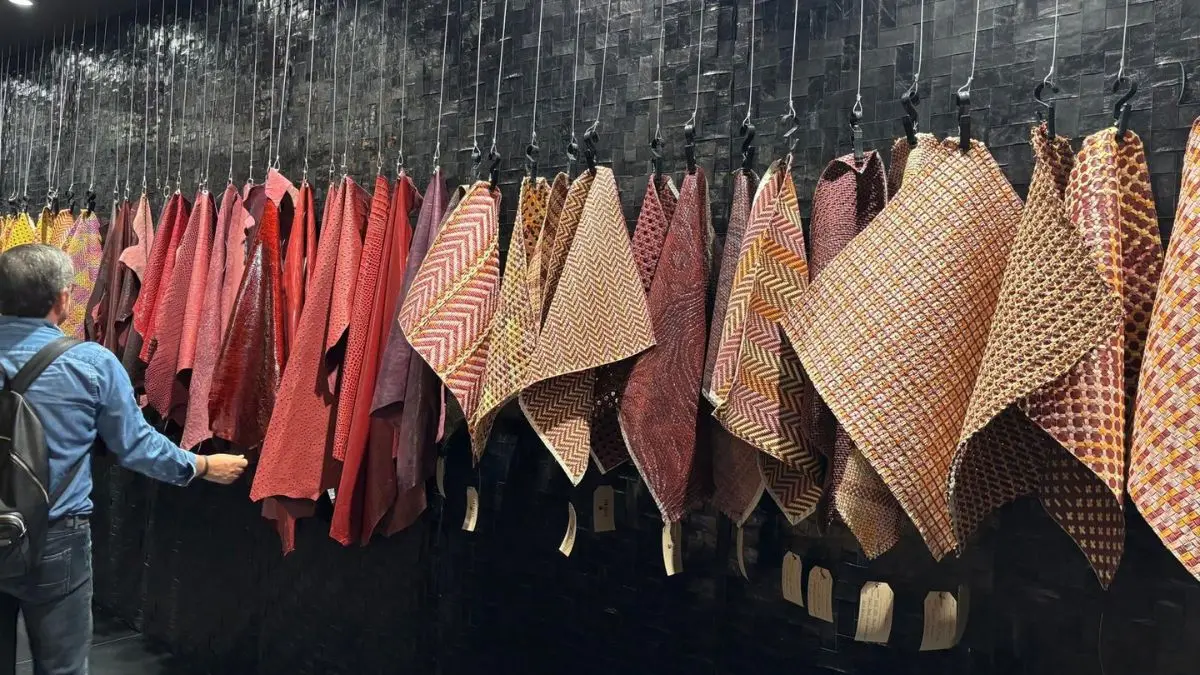
Recent visits by LG Shoes to MICAM and LINEAPELLE in Milan also provide two complementary perspectives on this development cycle: finished footwear and commercial product direction on one side, and materials, finishes, components, and sourcing on the other.
For footwear development, the opportunity is therefore not to copy a predicted look. It is to identify which directions are relevant to the brand early enough to make informed decisions about materials, lasts, soles, components, finishes, sourcing, and timing.
TL;DR
This guide reviews AW 2027/28 footwear trends from a product development perspective.
- Materiality, texture, and finish are becoming stronger sources of product identity.
- Nubuck, suede, tactile surfaces, patina, and differentiated finishes deserve early evaluation.
- Color directions include complex neutrals, deep tones, earthy greens, burgundy, blues, and digital influences.
- Organic inspiration increasingly intersects with technology, performance, and material innovation.
- MICAM and LINEAPELLE offer complementary perspectives on finished footwear, materials, components, and sourcing.
- Trend research should inform materials, lasts, soles, components, and finishing.
- Brands should balance trend relevance with identity, MOQ, cost, and lead time.
- Trend direction should never replace a clear technical and commercial product brief.
Índice de Conteúdos
- Why should brands start AW 2027/28 footwear development early?
- What can brands take from the September trade fair season?
- Which material directions are emerging for AW 2027/28?
- Which color directions should footwear brands watch?
- How should brands translate trends into commercially viable footwear?
- Which footwear development decisions should be made early?
- How can brands balance trends, identity, MOQ, cost, and lead time?
- Why is a trend direction not a production brief?
- AW 2027/28 footwear development checklist
- People also ask
- Final thoughts
- Perguntas frequentes
Why should brands start AW 2027/28 footwear development early?
Footwear collections require decisions long before finished products reach showrooms or consumers. Trend research may influence materials, colors, finishes, lasts, outsoles, components, samples, and sourcing, and each of these areas can affect development time.
Brands reviewing AW 2027/28 footwear trends should therefore distinguish between inspiration and decisions that create technical dependencies.
A new color applied to an existing material may be relatively straightforward. A new leather finish, custom outsole, modified last, exclusive component, or technically demanding surface treatment can require additional sourcing, minimum quantities, testing, sampling, or tooling.
Early planning also allows brands to decide where the collection should feel new and where continuity is more valuable. Existing lasts, proven components, carry-over sole references, and familiar constructions can help control development complexity while selected materials, colors, and finishes provide seasonal differentiation.
The LG Shoes guide to footwear collection planning explains why product families, shared components, development priorities, and launch timing should be considered before individual styles are developed in isolation.
What can brands take from the September trade fair season?
For footwear brands preparing future collections, international trade fairs can provide useful context before development decisions become fixed.
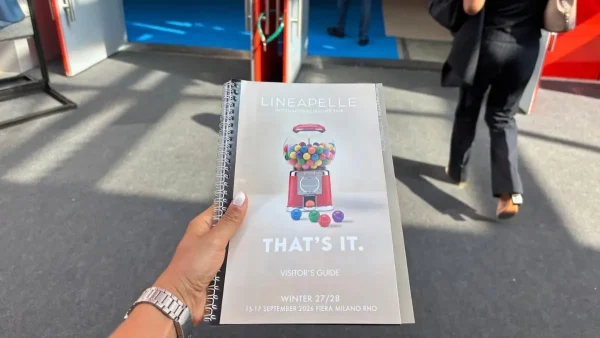
LG Shoes recently attended both MICAM and LINEAPELLE in Milan, offering two complementary views of the footwear development cycle.
At MICAM, the focus is closer to finished footwear, product direction, silhouettes, commercial presentation, and the way collections reach the market.
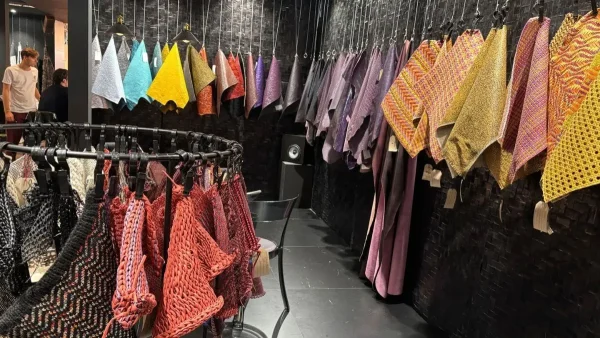
LINEAPELLE moves the perspective further upstream, bringing materials, leather, textures, finishes, components, sourcing, and supplier development into focus.
For brands, the value lies in connecting these perspectives rather than treating them separately. A direction visible in finished footwear still needs to be translated into appropriate materials, components, constructions, price positioning, and manufacturing requirements.
Likewise, an innovative material or surface treatment seen at a sourcing fair only becomes relevant when it supports the intended product, customer, quality level, and commercial strategy.
The objective is not to reproduce what is displayed at a trade fair. It is to identify signals that fit the brand and evaluate how they can be translated into technically viable footwear.
Which material directions are emerging for AW 2027/28?
One of the clearest signals for Autumn-Winter 2027/28 is the importance of the material itself.
Première Vision frames the season through the concept “Living Matter”, placing material at the center of creative value rather than treating it simply as a decorative surface. Its seasonal scenarios explore time and memory, discreet functional technology, and inspiration from living systems, transformation, adaptation, and regeneration.
The seasonal direction is also reflected in LINEAPELLE’s Winter 27/28 trend research, presented under the concept “PROMPT”, which explores sensory stimuli, desire, and the way these influences shape what we wear.
For footwear brands, this points toward a development approach in which touch, grain, surface behavior, durability, and finishing can become part of the product identity.
Nubuck and soft tactile surfaces
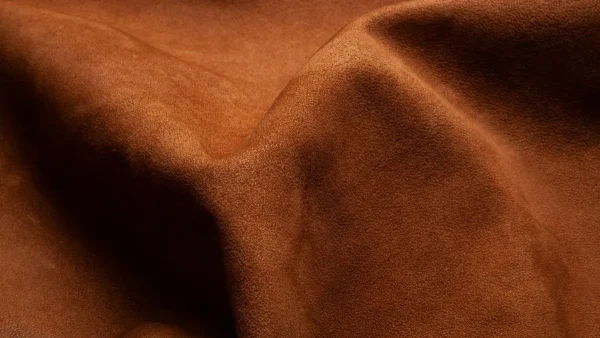
TFL identifies authenticity as an important Autumn-Winter 2027/28 direction and highlights nubuck for its soft volume and chalky touch.
Different treatments can also change its application. Silky versions can support more refined footwear, while reactive and pull-up finishes can create more casual or sporty interpretations.
Suede remains relevant as another tactile option, particularly where brands want visual depth, softness, or stronger color expression.
This does not mean every AW 2027/28 collection should use nubuck or suede. It means that brands interested in soft, sensory surfaces should begin evaluating appropriate leather types, thicknesses, color behavior, finishing, wear expectations, and commercial suitability early in development.
Patina, wear, and materials with visual memory
Another direction identified by Première Vision is the renewed value of materials that appear to carry time and experience.
Patina, creasing, rubbed surfaces, subtle irregularity, and altered effects can contribute character and differentiation. In footwear, these ideas may influence leather selection, finishing, brushing, waxing, pull-up effects, color variation, or the way a surface evolves through wear.
The objective should not be artificial damage for its own sake. The finish needs to remain appropriate to the brand’s quality standards and intended use.
Organic inspiration combined with innovation
The AW 2027/28 direction also connects organic systems with technological development.
Première Vision’s Wild Matter scenario draws from growth, transformation, regeneration, mineral and plant references, and biomaterial research. At the same time, its broader seasonal direction does not reject technology. Instead, technology increasingly supports comfort, function, durability, and material performance more discreetly.
For footwear brands, this can encourage a broader material conversation that considers not only appearance, but also sourcing, performance, longevity, maintenance, and the environmental requirements of the project.
Which color directions should footwear brands watch?
A técnica AW 2027/28 footwear trends should not be reduced to a single dominant color. Current professional forecasts point toward a more nuanced palette where color interacts closely with material texture and surface finish.
Première Vision describes a movement away from simple primary colors toward more complex, modulated shades. Neutrals become more chromatic, dark tones gain pigment depth, and cool tones can carry subtle digital influences.
Among the broader directions are:
- complex and colored neutrals rather than flat beige or gray;
- earthy greens and vegetation-inspired dark tones;
- pigmented and mineral grays;
- deep burgundy and wine families;
- refined blues;
- emerald and other saturated greens;
- violet and purple influences;
- selected brighter or digitally influenced accents.
TFL’s footwear and leather color direction also highlights deep, translucent hues across nubuck and decorative leather treatments, including warm wine tones, blues, emerald greens, and futuristic purples.
For development teams, the practical question is not simply “Which color is trending?” It is how the chosen shade behaves on the selected material.
The same color can look significantly different on smooth full-grain leather, nubuck, suede, coated leather, textile, or a technical material. Surface texture, gloss level, dye penetration, lighting, and finishing can all change the perceived result.
Brands should therefore evaluate color and material together rather than approving them as separate decisions.
How should brands translate trends into commercially viable footwear?
Trend information becomes useful only when it is filtered through the brand’s actual product strategy.
A premium leather brand may interpret tactile materiality through refined nubuck, subtle patina, or deep tonal variation. A casual sneaker collection may explore softer surfaces, lightweight components, contrasting textures, or muted organic colors. A performance-oriented product may interpret the same broader direction through discreet technical finishes, protection, comfort, and durability.
Brands should ask:
- Does this direction fit our customer and market?
- Does it strengthen our existing brand identity?
- Can it be executed at the required quality level?
- Is the material or component commercially available at our volumes?
- Does it require custom development or tooling?
- Will it still feel relevant when the collection reaches the market?
- Can the concept be repeated across several styles without making the range visually repetitive?
A useful trend strategy often combines continuity and novelty. Instead of redesigning every technical element, a brand may retain a proven last or outsole while introducing seasonal change through leather, texture, finish, lining, trim, or color.
This reduces unnecessary risk while still allowing the collection to evolve.
Which footwear development decisions should be made early?
Some AW 2027/28 footwear trends can be introduced relatively late through color or finishing. Others affect the technical architecture of the product and should be discussed much earlier.
| Development area | Why it should be evaluated early | Questions for the brand |
|---|---|---|
| Materials | Special colors, finishes, thicknesses, or treatments may affect availability, MOQ, testing, and lead time. | Which materials are essential, and where can alternatives be considered? |
| Lasts | Silhouette, toe shape, fit, proportions, and grading depend on the selected last. | Can an existing last support the direction, or is new development required? |
| Outsoles | Profile, material, weight, grip, color, and tooling influence both design and manufacturing. | Can a standard sole achieve the desired result, or is custom tooling justified? |
| Surface finishes | Patina, pull-up, gloss-matte contrast, coating, or brushed effects can require supplier development and approval. | Is the finish aesthetic only, or must it also meet performance requirements? |
| Components | Hardware, trims, laces, linings, and other components may have their own MOQs and development times. | Which details create real differentiation and which can use existing references? |
The LG Shoes guide to footwear outsole selection explains why sole choice should be evaluated alongside design, construction, performance, MOQ, and tooling rather than treated as a late styling decision.
How can brands balance trends, identity, MOQ, cost, and lead time?
Following every seasonal signal can create a fragmented collection and unnecessary development costs.
Brands should instead identify a limited number of trends that support their own positioning and convert them into a coherent product language.
For example, a brand may decide that tactile materials and complex neutrals are highly relevant, while metallic finishes or highly expressive surface effects are less appropriate. Another may use a seasonal color direction only as an accent while maintaining established core materials.
MOQ must also be considered. Custom colors, exclusive finishes, uncommon material specifications, dedicated components, or custom tooling can require higher commitments than standard supplier references.
Lead time matters for the same reason. Material development, sampling, fitting, testing, approvals, component production, and factory planning all take time. The LG Shoes guide to footwear production lead times explains why the launch calendar should reflect the actual development scope.
The strongest seasonal interpretation is therefore not necessarily the most complex. It is the one that creates visible value while remaining technically and commercially coherent.
Why is a trend direction not a production brief?
A trend board can establish atmosphere, color, texture, and design intent. It cannot define how a shoe should be engineered or produced.
Before development progresses, trend inspiration must be converted into clear project information covering product category, intended use, market, materials, colors, fit, size range, quantities, target timing, customization, and quality expectations.
A statement such as “we want an organic AW 2027/28 sneaker with tactile materials” leaves many technical decisions unanswered.
The manufacturer still needs to understand what “organic” means in that project, which materials are preferred, what performance is required, whether the outsole is standard or custom, what price position is expected, and which aspects remain open to technical recommendations.
The LG Shoes article on how to brief a shoe manufacturer explains what brands should prepare before the first contact.
AW 2027/28 footwear development checklist
Before converting trend research into development, brands should confirm:
- Which AW 2027/28 directions genuinely fit the brand.
- Which materials, textures, colors, and finishes will define the collection.
- Which elements can use existing supplier references.
- Whether new lasts, outsoles, molds, or components are required.
- Which seasonal features are essential and which are optional.
- Whether material and component MOQs are compatible with expected quantities.
- Whether the intended finishes require additional development or testing.
- How the trend direction translates across different product categories.
- Whether the expected price positioning supports the selected materials and complexity.
- Whether the development calendar allows enough time for sourcing, samples, approvals, and production planning.
People also ask
What are the main AW 2027/28 footwear trends?
Current professional trend directions emphasize materiality, tactile surfaces, nuanced color, authenticity, patina, organic inspiration, discreet technology, and materials that combine sensory value with function. For footwear brands, these signals should be interpreted according to product category, market, positioning, and technical feasibility.
Which footwear materials are relevant for AW 2027/28?
Nubuck and suede are among the tactile leather directions receiving attention, alongside full-grain leathers, differentiated surface treatments, pull-up effects, patina, and materials that emphasize texture and authenticity. The appropriate choice depends on the product and its performance requirements.
Which colors are emerging for AW 2027/28?
Professional forecasts point toward complex neutrals, earthy and organic greens, pigmented grays, deep burgundy and wine tones, blues, emerald greens, violet influences, and selected brighter or digitally influenced accents. Material texture and finish strongly affect how these colors are perceived.
When should brands begin developing an AW footwear collection?
Development should begin early enough to evaluate materials, lasts, soles, components, samples, fit, testing, approvals, supplier lead times, and production capacity. Projects involving custom tooling or exclusive materials require more preparation than collections based mainly on existing references.
Final thoughts
The most important AW 2027/28 footwear trends are not simply individual colors, materials, or silhouettes. The broader direction points toward products where materiality, touch, visual depth, durability, comfort, and meaningful differentiation play a stronger role.
The September trade fair season also reinforces how closely market direction and material development are connected. Finished footwear may communicate the final product vision, but material selection, components, sourcing, construction, and technical feasibility determine how that vision can be developed and manufactured.
For brands, the challenge is to decide which signals belong in their own collection and translate them into commercially viable footwear before development becomes too advanced.
This means evaluating trend direction alongside material availability, lasts, outsoles, components, MOQ, cost, performance, lead time, and the capabilities of the manufacturing partner.
Na LG Shoes, footwear projects are evaluated according to their actual design, technical, sourcing, and commercial requirements. As a Portuguese fabricante de calçado, LG Shoes supports international B2B clients through product development, material and component sourcing, prototyping, private label production, OEM manufacturing, and long-term manufacturing partnerships.
Brands preparing an AW 2027/28 collection can contact LG Shoes to discuss product direction, development requirements, materials, components, and the most appropriate route toward sampling and production.
Perguntas frequentes
Should a footwear brand follow every AW 2027/28 trend?
No. Trend research should help brands identify relevant opportunities, not replace brand identity. A focused selection of materials, colors, textures, or finishes that supports the customer and product strategy is usually more coherent than trying to include every seasonal direction.
Are nubuck and suede suitable for every footwear category?
No. Both can provide tactile and visual depth, but suitability depends on the intended product, performance expectations, maintenance requirements, climate, price positioning, and manufacturing specifications.
Do seasonal colors affect footwear production lead times?
They can. Standard supplier colors may be easier to source, while custom colors or specialized finishes can require development, minimum quantities, laboratory approvals, production scheduling, and additional lead time.
Should brands develop custom outsoles for a trend-led collection?
Only when the outsole creates sufficient product or brand value to justify the investment, MOQ, tooling, and development time. Existing sole references can often provide a more efficient route while materials, colors, and upper design create seasonal differentiation.
How can footwear brands use trend forecasts without copying competitors?
Brands should interpret broader signals such as materiality, color, surface, comfort, or organic inspiration through their own customer, silhouette, product architecture, and design language. Trend research should inform decisions rather than prescribe a finished product.
What should a brand prepare before discussing AW 2027/28 development with a manufacturer?
Prepare the brand and market context, product categories, relevant trend references, preferred materials and colors, development stage, estimated quantities, size range, target pricing, launch timing, and the technical support expected from the manufacturer.


 Portuguese

