
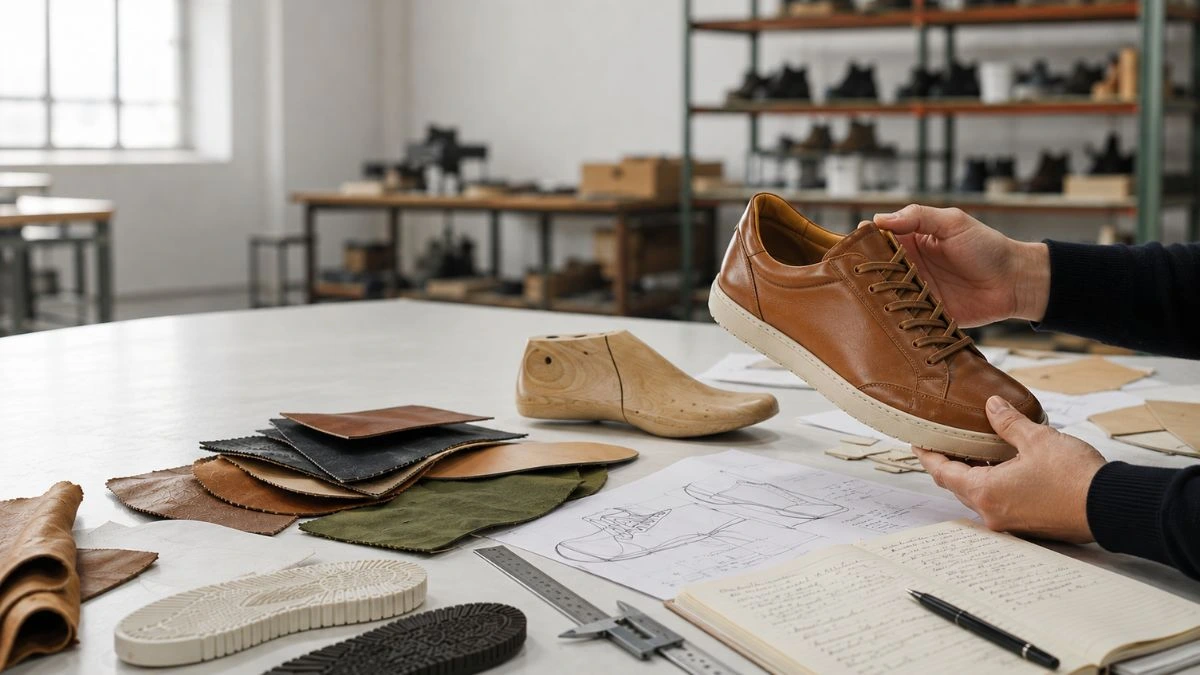
Many footwear brands reach out to manufacturers before they have defined what they actually want to develop. The result is often a slower development process, repeated revisions, avoidable sampling costs and unrealistic production expectations. Strong ideas alone rarely translate into commercially viable footwear. Successful collections begin with careful preparation.
A structured footwear product development process helps brands communicate more effectively with manufacturers, make informed technical decisions and move from concept to produção with fewer delays. Well-prepared projects also allow factories to provide more accurate feedback regarding feasibility, material selection and production planning from the very beginning.
One of the most common mistakes is assuming that a factory will define every aspect of the collection. Experienced manufacturers certainly contribute valuable technical expertise, but the most successful collaborations happen when brands arrive with clear objectives, realistic expectations and organised product information.
Preparing your collection before contacting a manufacturer is not about completing every technical detail. Instead, it is about creating a solid foundation that allows both parties to focus on developing commercially successful footwear rather than solving avoidable problems later in the process.
TL;DR
- Good preparation reduces development time and unnecessary revisions.
- A clear product vision improves communication with manufacturers.
- Technical information speeds up sampling and prototype approval.
- Material choices influence cost, quality and production feasibility.
- Construction methods should match the product’s purpose.
- Realistic timelines improve planning and factory collaboration.
- Well-prepared brands receive more accurate technical guidance.
- Structured footwear product development leads to better commercial outcomes.
Índice de Conteúdos
- Why preparation matters before contacting a footwear manufacturer
- Define your collection objectives before anything else
- Prepare inspiration and product references instead of finished designs
- Think about materials before production starts
- Understand which construction methods suit your products
- Set realistic production expectations
- Prepare technical information for faster product development
- Questions every footwear brand should answer before contacting a factory
- Well-prepared vs poorly prepared brands before contacting a manufacturer
- People Also Ask
- Final thoughts
- Perguntas frequentes
Why preparation matters before contacting a footwear manufacturer
Every footwear factory receives enquiries from brands at very different stages of development. Some have already completed a detailed design brief, selected materials and defined technical specifications. Others simply have a few inspirational images and a broad product idea. Both projects can succeed, but the development process differs significantly.
The more information a brand prepares before making first contact, the easier it becomes for the manufacturer to evaluate manufacturing feasibility, estimate development requirements and recommend the most appropriate production approach.
- Clear product objectives.
- Defined target customer.
- Expected retail positioning.
- Preferred quality level.
- Estimated launch timeline.
- Initial production volume.
- Budget expectations.
Imagine two brands requesting quotations for premium leather sneakers. One provides only a photograph downloaded from social media. The other supplies a structured mood board, material preferences, expected price positioning, target market and intended sales channels. The second project enables the manufacturer to assess technical feasibility much more accurately while reducing unnecessary back-and-forth communication.
If you are still exploring potential production partners, understanding how an experienced manufacturer supports the entire development journey can help set realistic expectations. Learn more about Footwear Design and Development before moving into sampling.
Define your collection objectives before anything else
Every successful collection begins with clear commercial objectives rather than sketches. Before selecting colours, materials or construction methods, brands should understand why the collection exists and who it is designed for. Product development decisions become considerably easier once these strategic questions have been answered.
Many technical challenges encountered during development are not caused by manufacturing limitations. They originate from unclear objectives established during the earliest planning stages.
- Target consumer profile.
- Product category.
- Expected retail price.
- Seasonality.
- Performance requirements.
- Distribution markets.
- Brand positioning.
For example, developing a premium European leather loafer requires a completely different engineering approach than creating a lightweight lifestyle sneaker for North American retailers. Material selection, outsole design, pattern engineering, finishing techniques and quality standards all change according to the intended market positioning.
Brands planning multiple product families should also establish collection priorities early. A phased launch often allows prototypes to be refined more efficiently while balancing development resources. Our guide to Footwear Collection Planning explains how structured planning contributes to stronger commercial collections.
Prepare inspiration and product references instead of finished designs
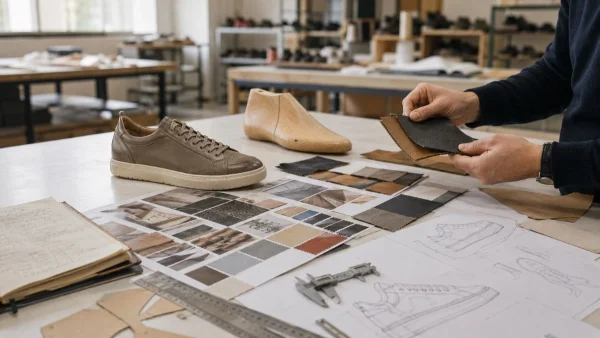
One common misconception is that manufacturers expect fully engineered footwear designs before development begins. In reality, experienced factories often work from reference materials, helping transform creative ideas into technically manufacturable products through collaborative development.
Strong references communicate design direction more effectively than highly detailed but technically unrealistic illustrations.
- Inspiration photographs.
- Competitor product references.
- Material preferences.
- Colour palettes.
- Lifestyle references.
- Functional requirements.
- Brand identity guidelines.
A carefully assembled reference package allows engineers, pattern makers and developers to identify suitable manufacturing solutions while maintaining the intended aesthetic. During footwear sampling, these references become valuable decision-making tools when evaluating proportions, materials and overall product consistency.
Instead of focusing exclusively on appearance, brands should communicate the purpose behind each product. Whether the objective is comfort, durability, lightweight performance or premium craftsmanship, understanding design intent enables manufacturers to recommend more appropriate engineering solutions.
Think about materials before production starts
Material selection affects nearly every stage of footwear product development. Beyond visual appearance, materials influence comfort, durability, manufacturing complexity, sustainability, production cost and long-term product performance. Considering these factors early helps avoid expensive redesigns after prototype evaluation.
Many brands initially focus on aesthetics without fully considering how different materials behave during cutting, stitching, lasting and finishing. Small differences between leather types, textiles or reinforcement materials can significantly affect production efficiency and final product quality.
- Upper materials.
- Lining materials.
- Outsole compounds.
- Insoles.
- Reinforcements.
- Comfort components.
- Sustainability objectives.
For example, replacing one leather with another that has different thickness, stretch characteristics or surface finish may require adjustments to patterns, stitching sequences or lasting processes. Early collaboration between designers and technical teams helps identify these considerations before sampling begins.
Understanding available material options also improves communication with suppliers and manufacturers. If you would like to explore how different materials influence performance, aesthetics and manufacturability, our guide to Footwear Material Selection provides a detailed overview of the decision-making process.
Understand which construction methods suit your products
Selecting the right footwear construction methods is one of the most important technical decisions during footwear product development. Construction determines far more than how a shoe is assembled. It directly influences flexibility, durability, weight, repairability, comfort, production complexity and overall manufacturing cost. The most appropriate method always depends on the product’s intended purpose rather than personal preference.
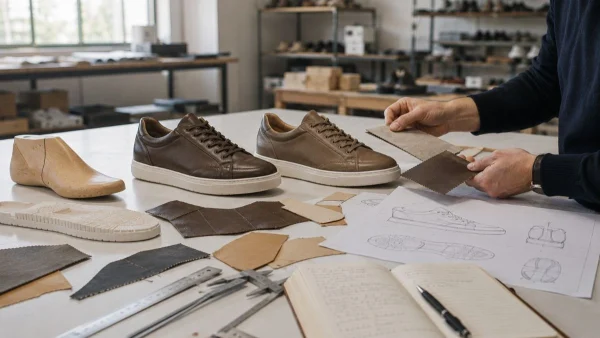
Experienced manufacturers evaluate every collection by balancing design intent with manufacturing feasibility. A luxury leather dress shoe, for example, requires a very different construction approach than a lightweight running-inspired sneaker or a comfortable everyday casual shoe. Choosing the wrong construction early in development often results in unnecessary redesigns once prototypes are evaluated.
- Strobel construction for lightweight and flexible sneakers.
- Blake construction for premium dress footwear requiring elegant profiles.
- Moccasin construction for soft comfort-driven casual footwear.
- San Crispino construction for handcrafted premium collections with visible craftsmanship.
- Cemented construction for versatile fashion collections across multiple categories.
- Construction should always support product performance, not simply aesthetics.
Rather than selecting a construction method based on current trends, brands should discuss their product objectives with their manufacturing partner during the early engineering phase. Understanding how different techniques affect performance, durability and production efficiency leads to better long-term decisions. For a more detailed technical overview, explore Métodos de construção and understand how each option supports different footwear categories.
Set realistic production expectations
Many development delays occur because brands underestimate the complexity of bringing a new footwear collection from concept to production. Even highly experienced manufacturers require sufficient time for engineering, pattern making, sourcing materials, producing prototypes, testing revisions and preparing production. Setting realistic expectations from the beginning creates a healthier partnership and significantly reduces avoidable pressure throughout the project.
Production planning is rarely linear. Prototype feedback often leads to adjustments in materials, fit, construction details or finishing processes before final approval. These improvements strengthen the final product, but they also require time and structured communication between both parties.
Understanding broader industry trends can also help brands make more informed sourcing and production decisions. Industry insights published by World Footwear, one of the leading sources of information on the global footwear industry, regularly highlight the factors influencing footwear manufacturing, sourcing strategies and production capacity worldwide.
- Allow sufficient time for prototype development.
- Expect several review and approval stages.
- Consider material sourcing lead times.
- Build contingency into launch schedules.
- Plan internal approval processes early.
- Maintain regular communication with the manufacturer.
As an example, a premium leather sneaker developed for the European market may require several rounds of refinement before production begins. Initial prototypes might reveal opportunities to improve comfort, adjust toe shape, optimise outsole flexibility or refine finishing details. These changes are a normal part of professional shoe prototyping, not signs of poor manufacturing.
Brands that understand the full development timeline make better commercial decisions and experience fewer unexpected delays. If your collection has a fixed launch date, our guide to Footwear Production Lead Times explains the factors that influence scheduling and delivery.
Prepare technical information for faster product development
One of the most valuable contributions a brand can make is providing organised technical information before development begins. Although experienced manufacturers help refine specifications throughout the project, clear documentation allows engineering teams to move more efficiently from concept to prototype.
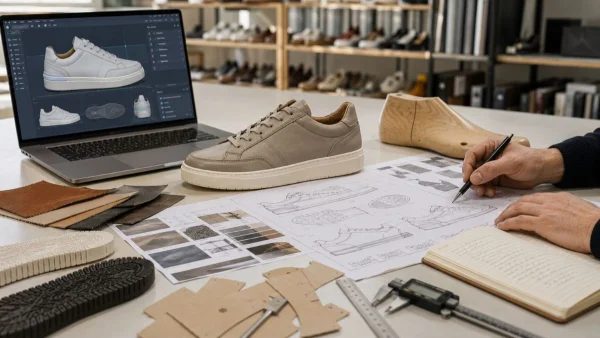
A comprehensive footwear tech pack does not need to contain every technical detail from day one. However, the more structured the available information, the easier it becomes to assess feasibility, estimate costs and begin prototype development with confidence.
- Design sketches or reference images.
- Target size range.
- Material preferences.
- Colourways.
- Expected quality standards.
- Branding locations.
- Packaging requirements.
- Technical specifications where available.
For instance, knowing that a collection is intended for premium retail distribution immediately influences engineering decisions regarding materials, stitching quality, finishing standards and quality control procedures. Even when certain technical details remain undecided, providing structured information enables manufacturers to make informed recommendations that align with the brand’s commercial objectives.
Fit should also be considered from the earliest stages of development. Last selection, grading strategy and prototype evaluation all contribute to product consistency across different sizes. Understanding these principles early helps reduce costly revisions later. Our article on Footwear Fit Consistency explains why maintaining consistent fit is essential for long-term product success.
Questions every footwear brand should answer before contacting a factory
Before contacting any Portuguese shoe manufacturer or European fabricante de calçado, brands should take time to organise the essential information that manufacturers will need to evaluate the project effectively. Answering these questions internally creates more productive discussions and helps manufacturers provide accurate technical guidance from the first conversation.
- Who is the target customer?
- What footwear category are you developing?
- Which price segment will the product compete in?
- What materials are preferred?
- Which markets will the collection serve?
- When do you expect production to begin?
- Do you already have reference products or prototypes?
- Are there sustainability or certification requirements?
- What production volumes are currently anticipated?
- Which product features are essential and which remain flexible?
Not every answer needs to be final before approaching a manufacturer. Product development is naturally collaborative, and experienced factories regularly help brands refine concepts throughout the process. However, arriving with well-organised information allows discussions to focus on improving the collection rather than clarifying basic project requirements.
Well-prepared vs poorly prepared brands before contacting a manufacturer
The comparison below highlights how preparation influences the efficiency of the entire footwear product development process.
| Development area | Well-prepared brand | Poorly prepared brand |
|---|---|---|
| Collection objectives | Clearly defines the target market and positioning. | Begins development without clear objectives. |
| Product references | Provides structured inspiration and mood boards. | Shares isolated images without context. |
| Material selection | Defines preferred materials and performance requirements early. | Delays material decisions until the sampling stage. |
| Technical information | Supplies organised technical documentation and specifications. | Provides incomplete or inconsistent project information. |
| Production planning | Builds realistic timelines with approval milestones. | Expects immediate sampling and production. |
| Comunicação | Maintains organised and collaborative communication. | Frequently changes direction during development. |
People Also Ask
What information should I prepare before contacting a footwear manufacturer?
Preparing product references, collection objectives, material preferences, target markets, expected retail positioning and any available technical specifications allows manufacturers to evaluate feasibility more accurately. Even if your project is still evolving, structured information helps reduce development time and improves communication throughout the sampling process.
Do I need a complete footwear tech pack before contacting a factory?
No. Many brands begin working with manufacturers before every technical detail has been finalised. A professional manufacturer can help develop and refine the technical documentation. However, providing organised references, sketches and product objectives allows development to begin much more efficiently.
How many prototypes are normally required before production?
There is no universal number. Some products move to production after one or two prototype rounds, while more complex collections require additional refinements. Factors such as fit, material selection, construction methods and finishing standards influence the overall development process.
Why is early collection planning so important?
Early planning improves budgeting, material sourcing, engineering decisions, sampling efficiency and production scheduling. It also reduces misunderstandings between brands and manufacturers, allowing both teams to focus on building commercially successful products rather than solving avoidable issues later.
Final thoughts
Successful footwear collections begin long before the first prototype is produced. Brands that invest time in structured planning, technical preparation and clear communication create stronger foundations for efficient product development and long-term manufacturing partnerships.
Preparation does not require having every answer before contacting a factory. It means understanding your objectives, organising your ideas and approaching development as a collaborative process. The more clearly your vision is communicated, the easier it becomes for experienced manufacturers to transform that vision into commercially viable footwear.
Perguntas frequentes
Can a manufacturer help improve my initial footwear concept?
Yes. Experienced manufacturers regularly support brands during product development by recommending more suitable materials, refining construction details, improving manufacturability and identifying potential production challenges before they become costly. This collaborative approach often produces stronger commercial products than working entirely independently.
When should I choose materials during footwear development?
Material selection should begin as early as possible because it influences engineering, pattern development, costing, comfort, durability and production planning. Although adjustments can still be made during sampling, establishing preferred materials early usually reduces development time and unnecessary prototype revisions.
Should I decide on construction methods before contacting a manufacturer?
Having an initial preference is useful, but experienced manufacturers should evaluate whether the chosen construction aligns with your product category, quality objectives and commercial positioning. Construction decisions should always balance aesthetics, performance and manufacturing feasibility.
How detailed should my design references be?
Your references should clearly communicate product direction rather than attempt to solve every engineering challenge. Mood boards, sketches, competitor products, colour palettes and material ideas are often sufficient for manufacturers to begin meaningful technical discussions and recommend the next development steps.
Does better preparation reduce development costs?
In many cases, yes. Better preparation improves communication, reduces unnecessary revisions, minimises repeated sampling and allows technical teams to identify efficient manufacturing solutions earlier. While every project is different, organised development generally leads to better use of both time and resources.
Why do experienced manufacturers ask so many questions during development?
Technical questions help manufacturers fully understand your objectives before engineering begins. The more accurately they understand your commercial goals, target customer and performance expectations, the more effectively they can recommend appropriate materials, construction methods and production solutions.


 Portuguese

