
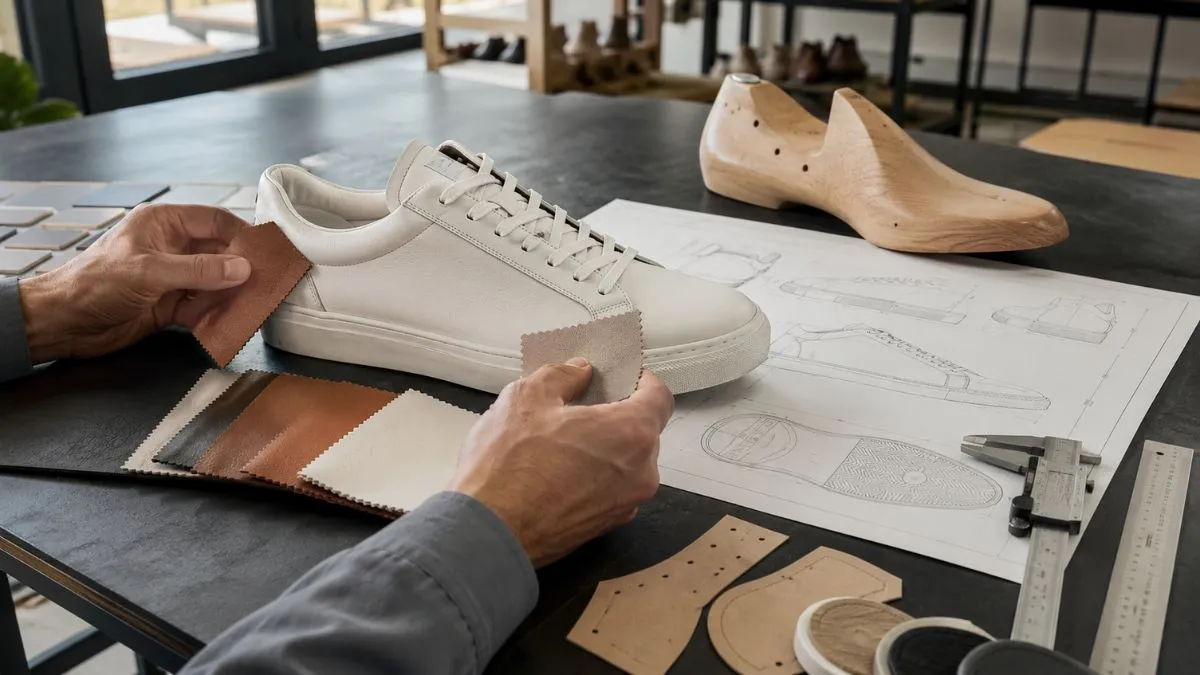
Escolher o premium footwear materials is one of the most important decisions during footwear product development. Material selection influences far more than the appearance of a shoe. It directly affects comfort, durability, manufacturing feasibility, sustainability, production costs and the overall perception of quality.
Many calçado brands begin by focusing on colours, textures and finishes. However, experienced manufacturers evaluate every premium footwear material, from leather and linings to textiles and outsole compounds, according to how it performs during cutting, stitching, lasting and finishing. Understanding these characteristics before sampling helps prevent produção issues and improve product consistency.
In this guide, we explain how premium footwear materials are evaluated throughout product development, what factors brands should consider before approving a collection and why effective footwear material selection contributes to better quality, smoother production and stronger long-term results.
TL;DR
Choosing premium footwear materials requires balancing aesthetics, durability, comfort, sustainability and manufacturing feasibility. Experienced footwear manufacturers evaluate leather, linings, outsoles and other components based on technical performance, production compatibility and long-term product quality to help brands develop stronger, more consistent footwear collections.
Índice de Conteúdos
- Why material selection matters
- Understanding leather types
- Choosing the right lining materials
- Selecting outsole materials
- Balancing aesthetics and performance
- Considering sustainability requirements
- Manufacturing feasibility
- Cost versus long-term value
- Working with experienced footwear manufacturers
- People Also Ask
- Final thoughts
- Perguntas frequentes
Why material selection matters
Selecting premium footwear materials is one of the earliest and most influential decisions in footwear development. Every component contributes to the final product, from the upper leather and lining to the outsole, insole and reinforcement materials. Together, these elements determine how the shoe looks, feels, performs and ages over time.
Premium footwear is not defined by using the most expensive materials available. Instead, quality comes from selecting materials that are appropriate for the product’s purpose, construction method and target customer. A luxury leather designed for formal footwear may perform poorly in a casual sneaker, while a highly flexible outsole developed for lifestyle footwear may not provide the stability required for other product categories.
Experienced manufacturers evaluate each material not only for its appearance but also for its behaviour during production. They consider flexibility, thickness, tensile strength, abrasion resistance, colour consistency, finishing compatibility and long-term durability before recommending a material for a specific collection.
- Evaluate materials based on performance, not appearance alone.
- Consider how materials behave during manufacturing.
- Balance aesthetics with durability and comfort.
- Choose materials that support the intended construction method.
- Review consistency across different production batches.
- Consider long-term product performance and customer expectations.
Material selection also affects development efficiency. Choosing suitable components from the beginning reduces prototype revisions, minimises production risks and helps brands maintain consistency across multiple manufacturing runs. Early technical evaluation often prevents costly adjustments later in the project.
Understanding leather types
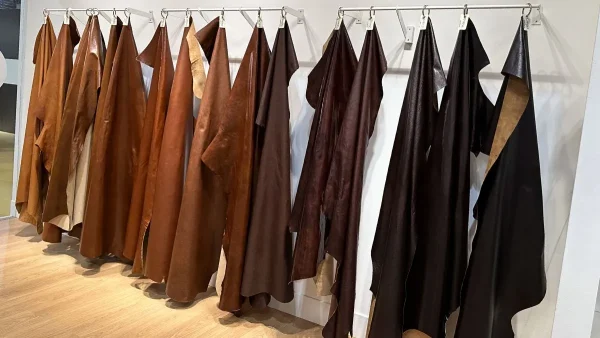
Leather remains one of the most widely used premium footwear materials because of its durability, comfort and ability to develop character over time. However, not all leather performs in the same way. Different leather types offer distinct characteristics that influence product appearance, manufacturing behaviour and long-term performance.
Full-grain leather is often selected for premium collections because it preserves the natural grain surface and offers excellent durability. Top-grain leather provides a more uniform appearance while maintaining good performance. Nubuck and suede deliver a softer visual aesthetic but require different finishing processes and additional care during production and use.
Beyond appearance, manufacturers evaluate technical characteristics such as thickness consistency, flexibility, tensile strength, stretch behaviour and finishing compatibility. These properties determine how the material behaves during cutting, stitching, lasting and final assembly.
- Choose leather according to the intended product category.
- Evaluate consistency between different production batches.
- Consider flexibility, thickness and durability together.
- Review finishing compatibility before sampling.
- Balance aesthetics with long-term product performance.
- Confirm leather availability for future production runs.
Experienced footwear manufacturers often recommend alternative leather options that achieve the desired visual effect while improving manufacturability, production efficiency or cost stability. This technical guidance helps brands make informed decisions before prototypes are approved.
Choosing the right lining materials
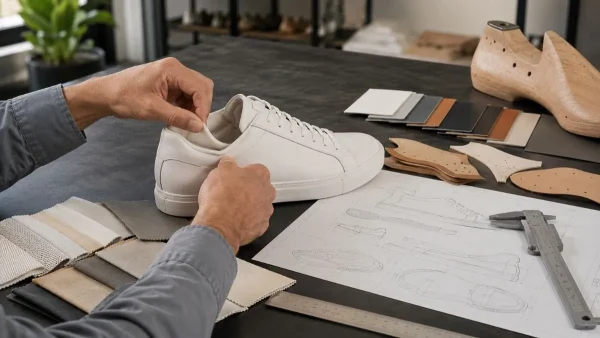
While consumers often focus on the upper, premium footwear materials also include the lining system, which plays an equally important role in determining comfort, breathability and overall product quality. High-quality linings improve moisture management, reduce friction and contribute to a better wearing experience throughout the product’s lifetime.
The appropriate lining depends on the footwear category, intended use and customer expectations. Leather linings offer excellent comfort and durability for premium products, while advanced textile linings may provide enhanced breathability, lighter weight or improved moisture control for specific applications.
Manufacturers also evaluate how lining materials interact with adhesives, reinforcement components and upper materials. Small incompatibilities can create wrinkles, reduce structural stability or complicate lasting during production.
- Select linings based on comfort and functional requirements.
- Consider breathability and moisture management.
- Evaluate compatibility with upper materials.
- Review durability under repeated wear.
- Confirm colour stability and finishing performance.
- Assess production behaviour during assembly.
Choosing suitable lining materials early in development helps improve product consistency while reducing manufacturing challenges later in the production process.
Selecting outsole materials
The outsole is one of the most technically demanding premium footwear materials because it influences grip, flexibility, weight, abrasion resistance, cushioning and overall durability. Selecting the right outsole material requires balancing performance requirements with manufacturing feasibility and commercial objectives.
Rubber remains a preferred option for many premium collections because of its durability and traction. Thermoplastic rubber (TPR), EVA, TPU and other compounds offer different combinations of flexibility, weight and wear resistance depending on the intended application.
Manufacturers evaluate more than the outsole material itself. Pattern design, hardness, bonding performance and compatibility with the selected construction method all influence the final product. A high-quality outsole must integrate seamlessly with the upper while delivering consistent performance under real-world conditions.
- Choose outsole compounds according to product performance requirements.
- Evaluate flexibility and abrasion resistance together.
- Confirm compatibility with the selected construction method.
- Review bonding characteristics during development.
- Consider product weight and long-term durability.
- Validate outsole performance through prototype testing.
Prototype validation plays an essential role when selecting outsole materials. Testing allows manufacturers to confirm that the chosen compound delivers the expected balance of comfort, durability and production reliability before full-scale manufacturing begins.
Balancing aesthetics and performance
One of the biggest challenges when developing premium footwear is balancing visual appeal with technical performance. A material that looks exceptional in a showroom may not perform well during manufacturing or after extended use. Premium footwear collections require materials that combine attractive aesthetics with durability, comfort and production reliability.
Experienced manufacturers evaluate how different materials react throughout the production process. Certain leathers stretch more during lasting, while some finishes are more susceptible to scratching or colour variation. Textile materials may offer lightweight comfort but require additional reinforcement to maintain structural stability.
Rather than selecting materials based solely on appearance, successful brands consider how each component contributes to the overall product experience. This balanced approach helps create footwear that not only looks premium but also performs consistently throughout its lifecycle.
- Balance design objectives with technical performance.
- Consider long-term durability alongside appearance.
- Evaluate comfort throughout product development.
- Review manufacturing behaviour before approving materials.
- Test complete material combinations during sampling.
- Prioritise customer experience over visual appearance alone.
Premium footwear is ultimately judged by how it performs after months or years of use. Material selection should therefore support both immediate visual impact and long-term product quality.
Considering sustainability requirements
Sustainability has become an important factor when selecting premium footwear materials. Brands increasingly seek materials that reduce environmental impact while maintaining the quality standards expected from premium products.
Responsible material selection involves evaluating certified leather suppliers, recycled components, water-based adhesives and manufacturing processes that minimise waste without compromising product performance. Sustainability should support quality rather than replace it.
Manufacturers with established sourcing networks can often recommend certified materials that align with both brand objectives and regulatory requirements. This technical guidance simplifies decision-making while improving supply chain transparency.
- Evaluate certified material suppliers.
- Consider recycled and renewable material options.
- Review traceability across the supply chain.
- Assess environmental impact alongside product performance.
- Ensure compliance with applicable market requirements.
- Select sustainable solutions without compromising quality.
Industry organisations such as Leather Working Group (LWG) help promote responsible leather sourcing and provide recognised certification standards adopted by many premium footwear manufacturers worldwide.
Manufacturing feasibility
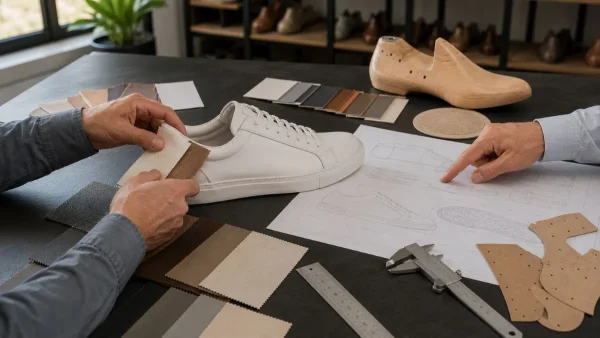
Premium footwear materials should always be evaluated not only for their appearance but also for their manufacturing feasibility. Different construction techniques influence which materials perform best, so understanding footwear construction methods helps brands make more informed material decisions from the earliest stages of product development.
During development, manufacturers assess whether selected materials can be processed consistently across larger production volumes. A material that performs well in a single prototype may behave differently during full-scale manufacturing if variations in thickness, flexibility or finishing are not properly controlled.
- Review material behaviour during cutting and stitching.
- Evaluate compatibility with the chosen construction method.
- Confirm production consistency across larger volumes.
- Consider equipment requirements and manufacturing limitations.
- Validate material performance through prototype approval.
- Identify technical risks before production begins.
Early feasibility assessments reduce development delays, minimise production risks and contribute to more predictable manufacturing outcomes.
Cost versus long-term value
Selecting premium materials is not simply about choosing the most expensive option. The objective is to maximise long-term value by selecting components that deliver consistent quality, customer satisfaction and efficient production.
Lower-cost materials may reduce initial manufacturing costs but increase warranty claims, product returns or quality issues. Conversely, investing in appropriate materials often improves durability, strengthens brand reputation and reduces total lifecycle costs.
Manufacturers help brands evaluate these trade-offs by comparing technical performance, production efficiency and commercial objectives throughout the development process.
- Evaluate total product value rather than purchase price alone.
- Consider long-term durability.
- Balance quality with commercial objectives.
- Review warranty and performance expectations.
- Assess manufacturing efficiency.
- Support purchasing decisions with technical data.
Investing in premium footwear materials should always be viewed as a long-term business decision rather than a short-term cost. Materials that improve durability, reduce production issues and enhance customer satisfaction often deliver greater commercial value over the lifecycle of a footwear collection.
Working with experienced footwear manufacturers
Material selection becomes significantly more effective when brands collaborate closely with experienced footwear manufacturers. Rather than simply producing according to specifications, technical development teams help evaluate alternatives, identify potential risks and recommend materials that improve product quality and manufacturing efficiency.
Early collaboration allows manufacturers to advise on leather selection, lining compatibility, outsole compounds, reinforcement materials and construction methods before prototypes are approved. This reduces unnecessary revisions and helps brands move into production with greater confidence.
Our guide to Footwear Design and Development explains how technical development supports successful footwear projects from concept through production.
This technical expertise is most valuable when it is based on real production experience rather than theoretical specifications. Experienced development teams understand how premium footwear materials behave across sampling, production and long-term product performance, helping brands make more confident decisions before manufacturing begins.
People Also Ask
What materials are best for premium shoes?
Premium footwear commonly combines premium footwear materials such as high-quality leather, durable lining materials, reliable outsole compounds and carefully selected reinforcement components. The best combination depends on the intended product category, customer expectations and manufacturing requirements.
Why is material selection important in footwear manufacturing?
Material selection influences comfort, durability, appearance, manufacturing efficiency, sustainability and long-term product quality. Appropriate materials reduce production risks and improve consistency across manufacturing runs.
Can manufacturers recommend better materials?
Experienced footwear manufacturers regularly advise brands on material alternatives that improve product performance, manufacturing feasibility or sustainability while maintaining the desired design aesthetic.
Final thoughts
Choosing premium footwear materials requires much more than selecting attractive leather or fashionable colours. Every material decision influences manufacturing, product quality, customer satisfaction and long-term brand success.
Working with experienced development teams allows brands to evaluate materials from both a technical and commercial perspective. By combining design intent with manufacturing expertise, companies can develop premium footwear collections that perform consistently throughout production and exceed customer expectations after launch. Successful brands understand that premium footwear materials are selected through technical evaluation rather than appearance alone.
Perguntas frequentes
How do footwear manufacturers choose premium footwear materials?
Manufacturers evaluate appearance, durability, comfort, flexibility, manufacturability, sustainability and consistency before recommending materials for a footwear collection.
Which leather is best for premium footwear?
There is no single best option. Full-grain leather is widely used for premium footwear because of its durability and natural appearance, but the ideal choice depends on the product category and intended use.
Do sustainable materials affect product quality?
Not necessarily. Many certified sustainable materials offer excellent performance when selected appropriately and combined with suitable manufacturing processes.
Why should brands involve manufacturers during material selection?
Manufacturers provide technical expertise that helps brands avoid unsuitable materials, improve manufacturability, reduce development risks and achieve more consistent production results.


 Portuguese

