
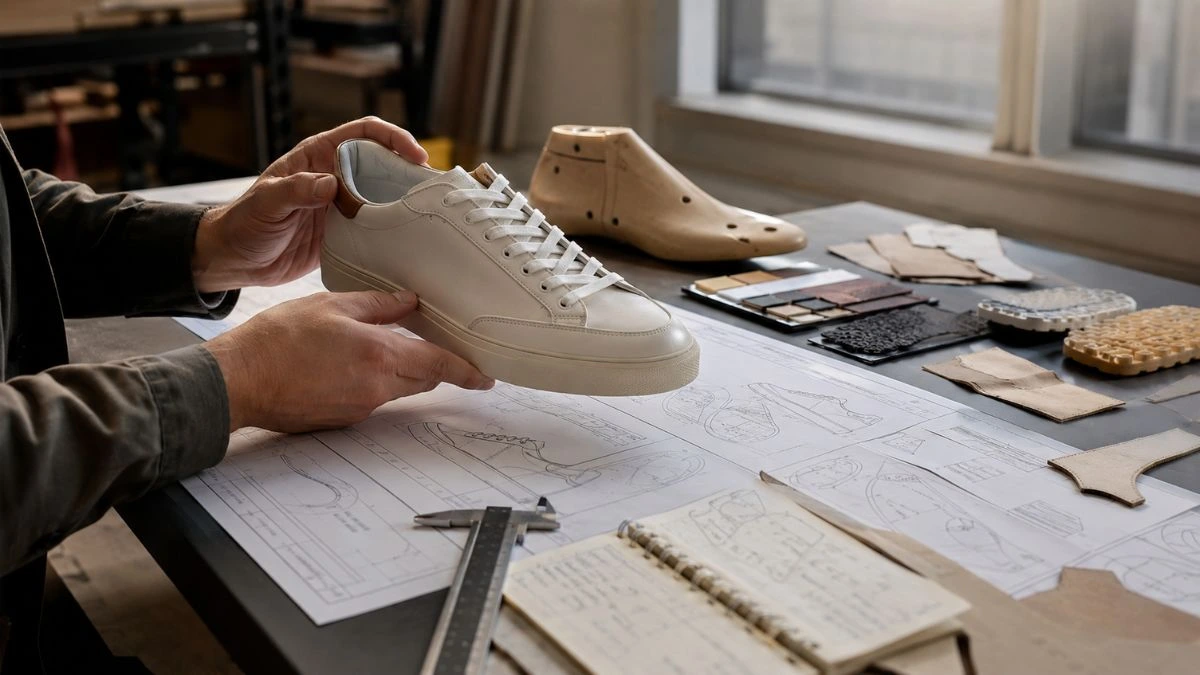
Choosing the right footwear manufacturing partner is one of the most influential decisions a footwear brand will make during its growth. The manufacturer you select will affect product quality, development speed, communication, production reliability and, ultimately, your customers’ perception of your brand. A strong partnership can accelerate innovation and support long-term growth, while the wrong choice often creates unnecessary costs, delays and frustration.
Many production problems begin long before manufacturing starts. Unclear expectations, limited technical evaluation or focusing solely on price frequently lead brands to partner with factories that are unable to support their product ambitions. By the time these issues become visible, significant time and resources have already been invested.
Successful footwear sourcing is not simply about comparing quotations. It requires evaluating technical capabilities, development expertise, communication, quality systems and the factory’s ability to become a genuine extension of your product development team. Experienced manufacturers contribute far more than production capacity; they actively help brands improve products before they reach the production line.
This guide explains ten common mistakes footwear brands make when selecting a manufacturing partner and offers practical recommendations to help you make more informed sourcing decisions, reduce development risks and build stronger manufacturing relationships.
TL;DR
Choosing a footwear manufacturing partner should never be based solely on production costs. The most successful footwear brands evaluate technical expertise, development capabilities, communication, quality systems and long-term collaboration before selecting a factory.
- Look beyond price when comparing manufacturers.
- Evaluate product development and engineering capabilities.
- Assess communication during the quotation and sampling stages.
- Review prototype quality before committing to production.
- Understand the manufacturer’s quality control processes.
- Choose factories with experience in your product category.
- Discuss production flexibility and realistic capacity.
- Verify sustainability credentials and ethical manufacturing practices.
- Plan realistic lead times before product launches.
- Build long-term partnerships rather than transactional supplier relationships.
Table of contents
- Mistake 1 – Choosing only based on price
- Mistake 2 – Ignoring technical development capabilities
- Mistake 3 – Not evaluating communication quality
- Mistake 4 – Overlooking sampling and prototyping
- Mistake 5 – Ignoring quality control systems
- Mistake 6 – Choosing a factory without the right product experience
- Mistake 7 – Not discussing production flexibility
- Mistake 8 – Ignoring sustainability and ethical manufacturing
- Mistake 9 – Underestimating lead times and production planning
- Mistake 10 – Treating the manufacturer as a supplier instead of a long-term partner
- Reliable vs risky footwear manufacturing partners
- People Also Ask
- Final thoughts
- Frequently Asked Questions
Mistake 1 – Choosing only based on price
Price is often the first factor brands compare when requesting quotations, but it should never be the only one. A lower quotation may reflect differences in materials, development support, quality assurance, production processes or after-sales service rather than genuine efficiency. Selecting a factory purely because it offers the lowest price frequently results in higher costs later through repeated sampling, product revisions or quality issues.
Experienced footwear suppliers invest heavily in skilled technicians, product development, engineering support and quality control. These resources may increase the initial quotation slightly but often reduce the total cost of development by preventing expensive mistakes before production begins.
- Compare the complete development process rather than unit price.
- Ask what services are included in the quotation.
- Evaluate sampling, technical support and communication quality.
- Consider long-term value instead of immediate savings.
- Review previous product development experience.
- Assess consistency rather than isolated pricing advantages.
Imagine two factories quoting similar leather sneakers. One offers only production, while the other provides engineering feedback, material recommendations, fit improvements and structured prototype reviews. Although the second quotation may initially appear higher, the overall development process is usually faster, more predictable and commercially successful. Brands investing in premium footwear manufacturing understand that expertise creates value well beyond the production price.
Mistake 2 – Ignoring technical development capabilities
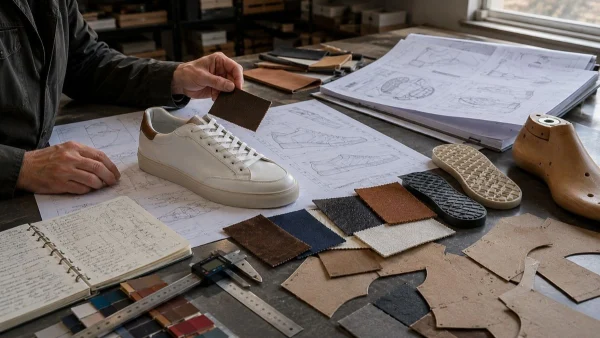
Many brands assume that every factory offering production also provides strong product development support. In reality, manufacturing capacity and technical development expertise are not always the same. The ability to transform an idea into a commercially viable shoe requires experienced pattern makers, developers, technicians and engineers working together throughout the project.
Strong footwear product development teams identify potential issues before prototypes are produced. They review construction methods, recommend suitable materials, evaluate manufacturing feasibility and help optimise products without compromising design intent.
- Ask about the factory’s development team.
- Understand how prototypes are engineered.
- Review previous sampling projects.
- Evaluate pattern making expertise.
- Discuss technical recommendations during development.
- Assess engineering support before production begins.
Before selecting a manufacturing partner, it is worth understanding how product development is managed from concept to production. Our guide to Footwear Design and Development explains the engineering stages that contribute to successful footwear collections and demonstrates why technical expertise plays a central role throughout the development process.
Mistake 3 – Not evaluating communication quality
Communication often predicts how a manufacturing relationship will perform long before production starts. Delayed replies, unclear answers or inconsistent technical feedback during quotation and sampling frequently indicate larger operational challenges later in the project. Effective communication reduces misunderstandings, accelerates decision-making and supports smoother product development.
Professional manufacturers communicate proactively throughout development. They clarify technical questions, explain production constraints, propose practical alternatives and maintain transparent discussions about schedules, costs and feasibility. This collaborative approach strengthens decision-making on both sides.
- Evaluate response times.
- Assess the quality of technical explanations.
- Observe how questions are handled.
- Look for proactive recommendations.
- Confirm who manages development communication.
- Ensure expectations are documented clearly.
A sourcing manager working with an experienced Portuguese shoe manufacturer should feel that communication supports the project rather than simply responding to requests. Clear technical dialogue during the earliest stages often prevents multiple rounds of prototype revisions, unnecessary delays and avoidable production risks.
Mistake 4 – Overlooking sampling and prototyping
Many sourcing decisions are made before brands have properly evaluated a factory’s sampling capabilities. Yet the prototype stage is where design intent becomes a physical product and where most technical improvements are identified. A manufacturer that produces consistent, well-engineered samples is far more likely to deliver reliable production quality.
Sampling is not simply about producing a shoe. It is a collaborative engineering process involving pattern refinement, material evaluation, fit assessment and construction adjustments. Skipping this evaluation or treating prototypes as a formality often leads to expensive corrections during production.
- Review prototype quality carefully.
- Assess consistency between prototype revisions.
- Evaluate stitching, finishing and construction.
- Check fit, proportions and overall balance.
- Discuss engineering improvements suggested by the factory.
- Use sampling to validate commercial feasibility.
Prototype development also provides valuable insight into how the manufacturer approaches collaboration. Factories that actively recommend improvements rather than simply following instructions usually contribute more effectively to long-term product success. If you would like to understand how professional development teams manage this process, our guide to Footwear Design and Development explains each stage from concept to prototype approval.
Mistake 5 – Ignoring quality control systems
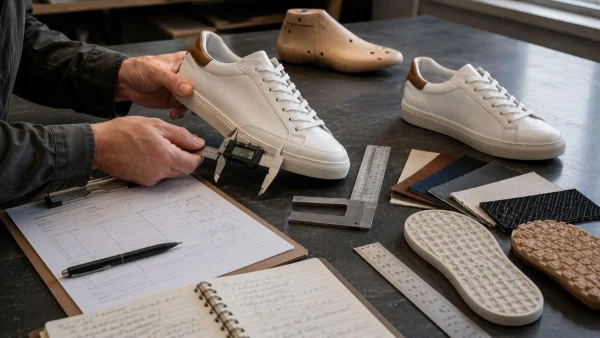
Quality should never be evaluated only when the finished shoes arrive. Reliable manufacturers build quality assurance into every stage of production, from incoming material inspection to prototype validation, in-process controls and final inspection. Understanding these systems before selecting a factory reduces risk and creates greater confidence throughout production.
Many brands ask whether a factory performs quality control but rarely explore how that process is managed. A structured quality system includes documented inspection procedures, trained technicians, traceability and clear corrective actions whenever issues are identified.
- Ask how quality inspections are performed.
- Understand incoming material controls.
- Review prototype approval procedures.
- Discuss in-process inspection methods.
- Confirm final quality inspection before shipment.
- Understand how corrective actions are documented.
For example, slight differences in leather thickness or outsole dimensions may seem insignificant at first but can affect product consistency across an entire production run. Experienced manufacturers identify these variations early, reducing waste and improving repeatability throughout production.
Mistake 6 – Choosing a factory without the right product experience
Not every manufacturer specialises in every footwear category. A factory producing premium leather loafers may not necessarily be the best choice for performance-inspired sneakers, just as an athletic footwear specialist may have limited experience with handcrafted dress shoes. Selecting a manufacturing partner whose expertise matches your product category significantly improves development efficiency.
Experience influences every stage of production, from material recommendations and pattern engineering to construction methods and finishing standards. Factories familiar with similar products can anticipate challenges long before they become production issues.
- Review previous collections similar to your project.
- Ask which footwear categories the factory specialises in.
- Discuss preferred construction methods.
- Evaluate experience with your target market.
- Review technical recommendations based on previous projects.
- Confirm available manufacturing capabilities.
Construction plays an important role when evaluating manufacturing expertise. Different methods influence flexibility, durability, appearance and production complexity. Our guide to Construction Methods explains how techniques such as Montado, Strobel, Waterproof, Moccasin, Blake, Sacchetto and San Crispino support different footwear categories and product objectives.
Mistake 7 – Not discussing production flexibility
Many brands focus exclusively on production capacity without discussing flexibility. In practice, production flexibility is often far more valuable than maximum output, particularly for brands launching new collections, testing new markets or managing seasonal demand.
A flexible manufacturer adapts more easily to product updates, phased launches, smaller production runs and changing priorities. This responsiveness becomes especially valuable during collection growth, where forecasts frequently evolve between prototype approval and production.
- Discuss minimum order quantities early.
- Understand how production capacity is managed.
- Ask about small and medium production runs.
- Review scheduling flexibility.
- Discuss future collection expansion.
- Understand how urgent changes are handled.
Production flexibility should never compromise product consistency. Reliable manufacturers combine responsive planning with robust development processes, ensuring that quality standards remain stable regardless of production volume. Maintaining consistent fit is equally important when collections expand across multiple sizes and product families. Our article on Footwear Fit Consistency explains why accurate grading, last development and fit validation contribute to long-term product quality.
Mistake 8 – Ignoring sustainability and ethical manufacturing
Sustainability has become an increasingly important consideration for footwear brands, retailers and consumers alike. Yet many sourcing decisions still focus almost exclusively on price, production capacity and delivery times, overlooking the manufacturer’s environmental and social responsibilities. Choosing a factory that follows recognised ethical standards helps reduce supply chain risk while strengthening long-term brand credibility.
Ethical manufacturing is no longer limited to regulatory compliance. Professional buyers increasingly expect transparency, responsible sourcing, fair working conditions and environmental awareness throughout the production process. Working with an ethical footwear manufacturer demonstrates a commitment to responsible business practices while supporting stronger commercial relationships.
- Ask whether the factory has recognised third-party certifications.
- Understand how materials are sourced and managed.
- Review environmental initiatives and waste reduction practices.
- Evaluate transparency throughout the supply chain.
- Discuss how sustainability objectives are incorporated into product development.
- Consider long-term alignment between your brand values and the manufacturer’s practices.
Many European brands now include sustainability criteria during supplier evaluation alongside quality, technical capability and pricing. Understanding wider industry developments can also help brands benchmark their sourcing strategy. Market insights published by World Footwear regularly explore sustainability trends, manufacturing developments and global sourcing challenges affecting the footwear industry.
Mistake 9 – Underestimating lead times and production planning
One of the most common sourcing mistakes is assuming that production begins as soon as an order is confirmed. In reality, successful manufacturing depends on careful planning long before production starts. Material sourcing, prototype approvals, engineering adjustments, capacity allocation and quality preparation all influence the overall project timeline.
Brands that underestimate these stages often create unnecessary pressure on both their internal teams and their manufacturing partners. Unrealistic deadlines may lead to rushed decisions, increased costs or compromised product quality, particularly when launching new collections.
- Build realistic development schedules.
- Allow sufficient time for sampling and approvals.
- Consider material procurement lead times.
- Plan internal decision-making in advance.
- Include contingency for unexpected revisions.
- Maintain regular communication throughout development.
Understanding how production schedules are built helps brands make more informed launch decisions. Our guide to Footwear Production Lead Times explains the key factors that influence manufacturing schedules, helping brands develop more realistic expectations before production begins.
Mistake 10 – Treating the manufacturer as a supplier instead of a long-term partner
Perhaps the most significant mistake brands make is viewing their manufacturer as a simple supplier rather than a strategic partner. The strongest footwear collections are rarely the result of transactional relationships. Instead, they are developed through ongoing collaboration, shared technical expertise and continuous improvement over multiple seasons.
Long-term partnerships allow manufacturers to understand a brand’s identity, quality expectations, preferred materials and commercial objectives. This familiarity leads to faster product development, more consistent quality and increasingly efficient production processes over time.
- Share long-term product and collection objectives.
- Encourage technical feedback throughout development.
- Maintain transparent communication.
- View the factory as an extension of your product team.
- Review performance after each production cycle.
- Invest in relationships rather than individual transactions.
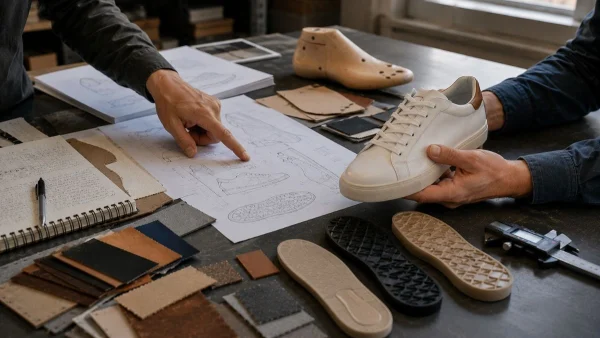
The most successful brands recognise that manufacturing expertise extends well beyond production. Experienced development teams contribute valuable technical insight, recommend improvements and help solve problems before they affect the finished product. If you are looking for a manufacturing partner that combines technical expertise, collaborative product development and premium Portuguese craftsmanship, explore how LG Shoes supports international footwear brands throughout the entire development and manufacturing journey.
People Also Ask
How do I choose the right footwear manufacturing partner?
Evaluate manufacturers beyond production price. Review their product development capabilities, technical expertise, communication quality, sampling process, quality control systems, sustainability credentials and experience with your footwear category.
Why is footwear sampling important before production?
Sampling allows brands to validate fit, construction, materials, proportions and manufacturing feasibility before committing to production. It also provides an opportunity to optimise the product and reduce costly changes later.
Should I visit a shoe factory before placing an order?
Whenever possible, yes. Visiting a factory helps you assess manufacturing capabilities, quality systems, development resources and communication processes. If an on-site visit is not possible, request detailed virtual meetings, sample reviews and technical documentation.
What questions should I ask a footwear manufacturer before starting a project?
Ask about product development support, sampling procedures, quality control, production capacity, lead times, sustainability certifications, minimum order quantities, previous experience with similar products and communication during development.
Final thoughts
Selecting the right footwear manufacturing partner is about far more than comparing quotations. The most successful footwear brands build relationships with manufacturers that contribute technical expertise, engineering knowledge and collaborative product development throughout every stage of the project.
By evaluating communication, sampling capabilities, product development resources, quality systems, sustainability practices and long-term compatibility, brands reduce sourcing risks while creating stronger collections and more predictable production outcomes.
The best manufacturing partnerships are built on trust, transparency and shared objectives. Investing time in selecting the right partner before development begins almost always results in better products, smoother production and stronger long-term commercial success.
Frequently Asked Questions
What is the biggest mistake when choosing a footwear manufacturer?
Focusing exclusively on price instead of evaluating technical capabilities, communication quality and product development expertise.
How important is prototype development before production?
Prototype development is essential because it validates fit, construction, materials, manufacturing feasibility and overall product quality before production begins.
Why should footwear brands evaluate a manufacturer’s product development team?
An experienced development team helps optimise designs, solve technical challenges early and reduce costly revisions during production.
How can brands assess communication before choosing a factory?
Observe response times, technical explanations, willingness to propose improvements and the overall clarity of communication during quotation and sampling.
Do sustainability certifications matter when selecting a manufacturing partner?
Yes. Independent certifications and transparent manufacturing practices demonstrate responsible production standards and help reduce supply chain risk.
Why are long-term manufacturing partnerships beneficial?
Long-term partnerships improve communication, product consistency, development efficiency and the manufacturer’s understanding of your brand, resulting in stronger collections over time.


 English

